What Makes a Fusion Night Vision Goggle a Smarter Choice?
A fusion night vision goggle combines image intensification (IIT) and long-wave infrared thermal imaging into a single optical system, giving operators visibility across conditions where either technology alone would fail. Unlike standard night vision that depends on ambient light, or standalone thermal that lacks spatial depth, a multi-spectral goggle solves both limitations simultaneously. For B2B procurement professionals sourcing tactical optics, border surveillance equipment, or search-and-rescue systems, this technology category delivers measurable advantages in detection range, situational awareness, and mission versatility — making it a strategically sound investment rather than a premium upgrade.
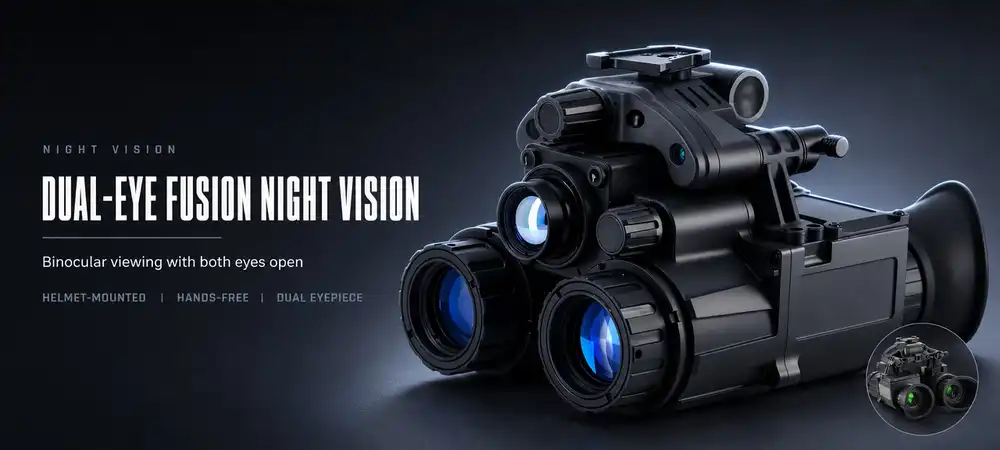
Comparing Fusion Night Vision Goggles with Alternative Solutions
When buying something, people often look at Fusion night vision goggles, old Gen 3 night vision devices, and thermal glasses that can be used on their own. Each group has its own trade-offs that should be carefully considered.
A normal Gen 3 night vision goggle works well when there isn't much light around, but it doesn't work at all when targets are hidden by cover or heat. It also has trouble with the halo effect around bright light sources, like streetlights or car headlights, where strong blooming makes the picture quality worse. A fusion night vision goggle helps with this by adding thermal data on top of visible-spectrum data. This data is not affected by light intensity in the visible spectrum, so it gives clear images of targets near bright light sources.
While stand-alone thermal binoculars are great for finding heat signatures, they don't have the spatial resolution or depth cues that are needed for safe navigation and moving close up. Binocular depth perception is needed by operators who are driving vehicles or moving through rough terrain. Thermal-only devices can't provide this.
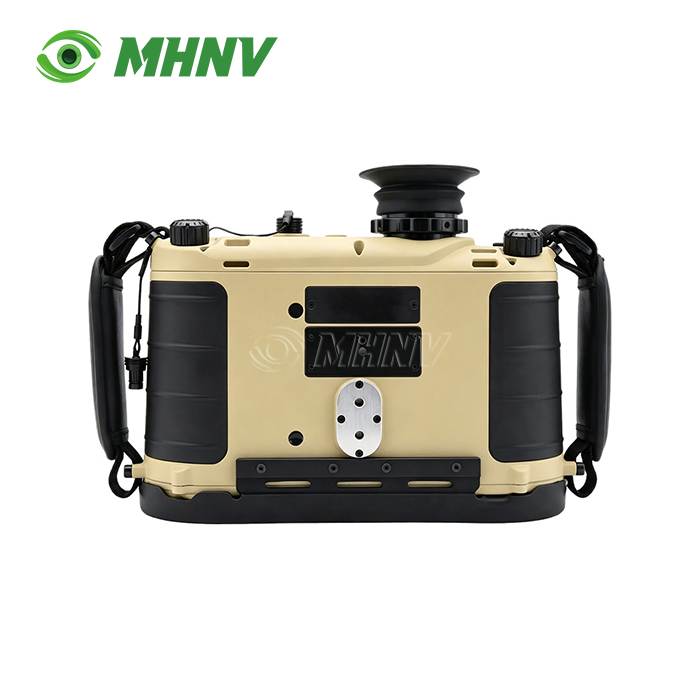
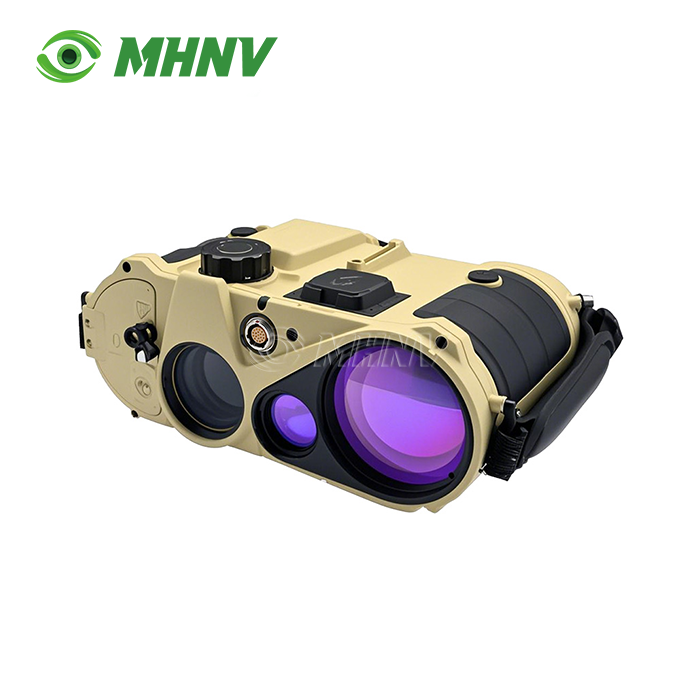
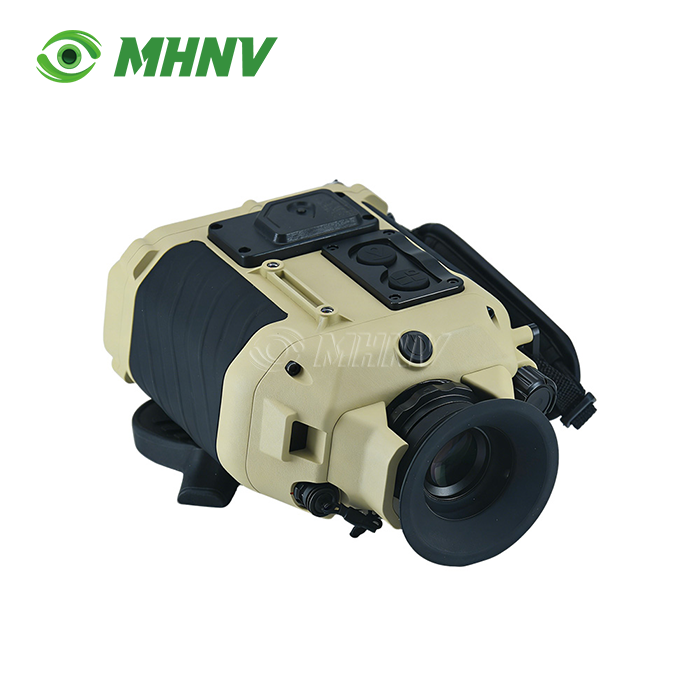
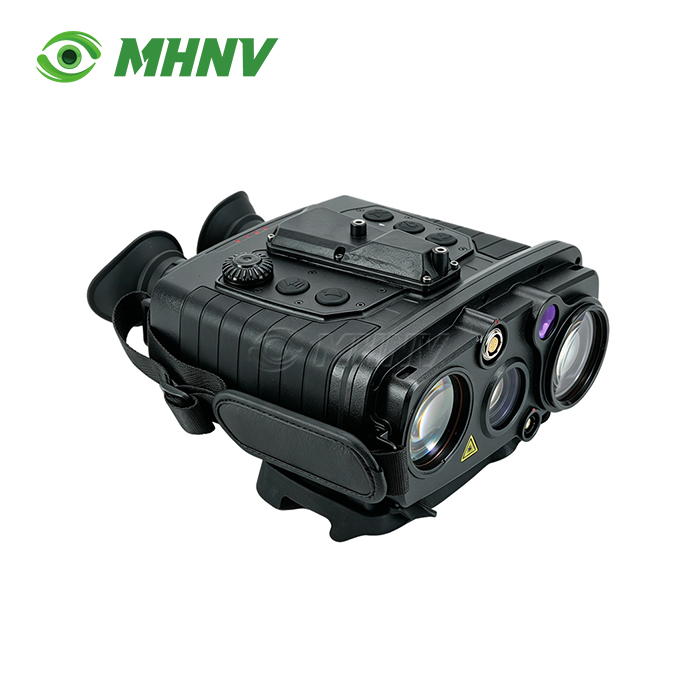
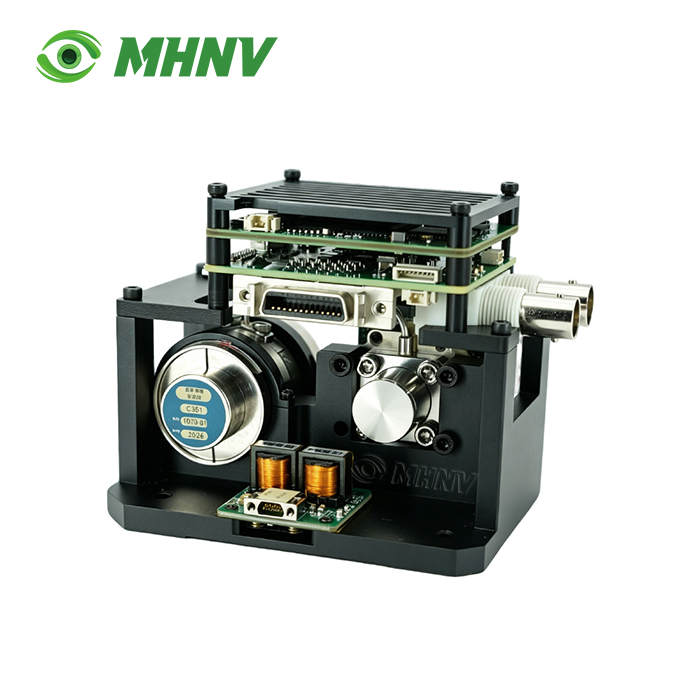
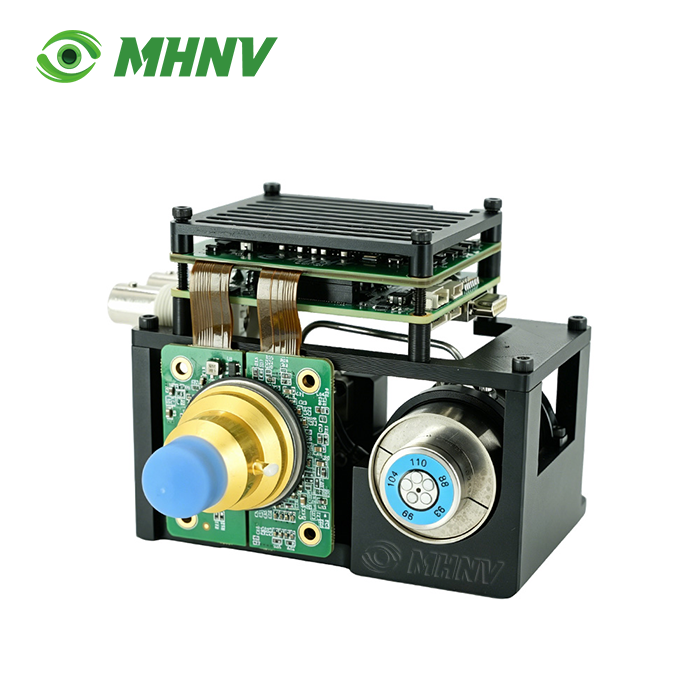
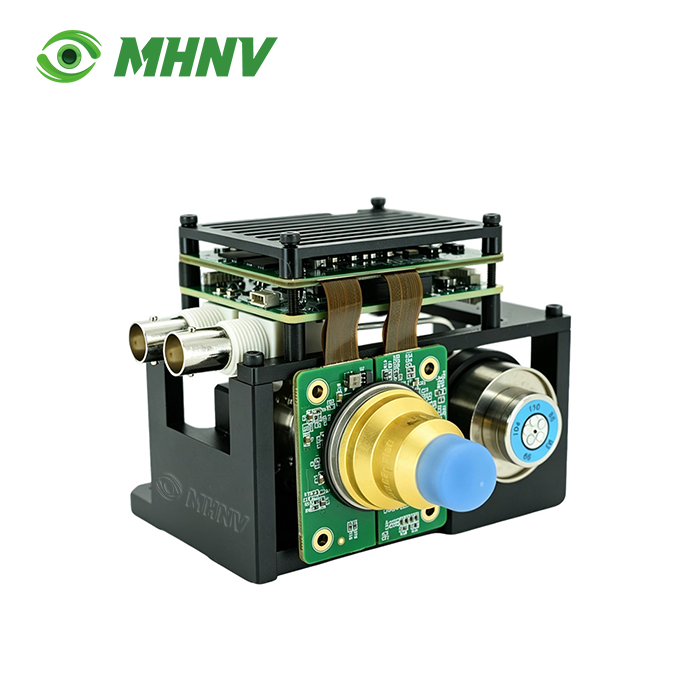
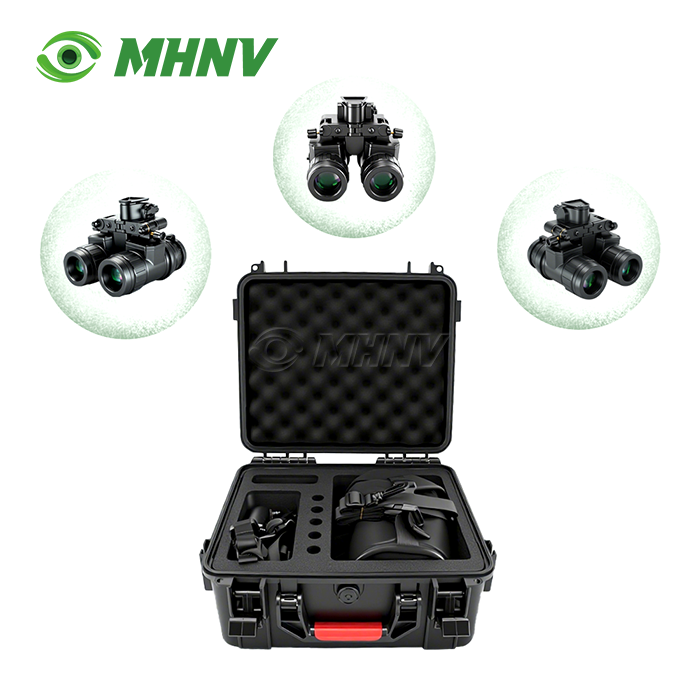
The MH-F-PVS31 fills in both of those holes. It has three viewing modes that operators can choose from: low-light only, infrared thermal only, and blended fusion with extra overlay options. These modes let operators respond instantly to changes in the environment. The device works with the PVS-31, Ops-Core, and Team Wendy cover environments for helmet-mounted use, so it can be dropped right into the fleet without having to pay for integration. When helmet fitting isn't possible, the handheld can still be used. This adaptability is a useful benefit that neither thermal nor IIT-only choices can match for mixed-deployment B2B contracts.
Why Fusion Night Vision Goggles Deliver Superior ROI for B2B Buyers
Professional optical systems have a return on investment that goes far beyond the price of the system itself. When procurement teams figure out the total cost of ownership, three things always come up: how long the gadget lasts, how well it prevents operating errors, and how well it supports the customer after the sale.
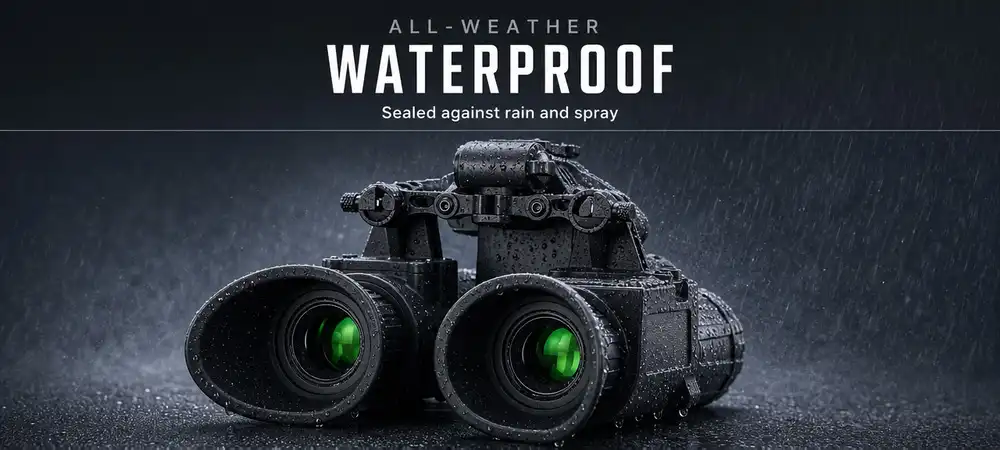
The MH-F-PVS31 works in temperatures ranging from -40°C to +50°C and has an IP67-sealed, anti-corrosion housing. Because it is resistant to different environmental conditions, the same device can be used for operations in the Arctic, along the coast, in the desert, and in the jungle. This means that there is no need for separate procurement lines for each climate zone. Just that consolidation cuts down on the amount of inventory and support work that wholesalers who handle accounts in more than one area have to do.
The integrated function suite makes things even more efficient. Electronic zoom, an electronic compass, pitch indication, WiFi streaming, intelligent target tracking, and the ability to take photos and videos with internal playback—all of these features can be accessed from the goggle body without taking off the helmet—reduce the need for extra gear. Commanders can use WiFi to mirror the goggle's live view to a smartphone or command post, and the device's tracker can automatically lock on to a moving target.
MHNV® helps business buyers by offering a 1-year guarantee from the maker, bulk discounts that can be requested, trial orders that can range from a single unit to mass production with a 30- to 45-day lead time, and a 24-hour pre-sales response across all time zones. For repeat wholesale customers, overseas transit warehouses in Los Angeles and Rotterdam cut down on logistics delays even more.
Best Practices for Maintaining and Optimizing Fusion Night Vision Goggles
Keeping a fusion night vision goggle's performance at its best takes focus in three areas: taking care of the optics, managing the power, and keeping the firmware up to date.
The germanium objective lens on the thermal channel needs to be cleaned with special materials that don't contain lint and are made for solvents. Over time, standard lens tissue used on glass optics can hurt germanium coatings and make it harder for infrared light to pass through. To keep the photocathode from breaking down, the IIT eyepieces should be cleaned with optical solutions that have been cleared and kept in a dry place.
Battery discipline is just as important. The MH-F-PVS31 has an external dual 18650 battery box that makes it easier to change batteries in the field and lets the device run for longer without having to be taken apart. Setting up a plan for battery packs to be rotated and staying away from deep charging cycles will significantly increase the service life of cells. It is standard practice for B2B workers who work overnight shifts to carry extra battery boxes that have already been charged.
For large orders, MHNV® offers remote setup help and firmware update support. Updating the software on your device gives you access to better tracking algorithms, WiFi security patches, and better display calibration. Operators can use the full set of functions from the start thanks to training materials like video tutorials and on-site training for big B2B projects. This cuts down on operating errors and downtime.
Strategic Procurement Guide: Buying Fusion Night Vision Goggles for Your Business
When looking for a Fusion Nightgoggles Goggle at the B2B level, you need to look at more than just the details of the product. You also need to look at the supplier's ability, compliance proof, and level of customization.
MHNV® is a full-stack maker that does optical design, FPGA, embedded software, mechanical engineering, and IIT production all in-house. Products are certified by ISO 9001:2015 and meet CE, RoHS, and FCC standards so they can be sold in the EU and the US. Each IIT comes with a serialized QC data sheet that lists SNR, FOM, resolution, halo rating, and equivalent background illumination. This level of detail makes it easier for buyers from distributors and integrators to inspect the goods when they arrive.
When you work with an OEM or ODM, you can change the color and logo of the housing, change the objective magnification, change the firmware language and gain curve, and set the thermal palette for your country. An NDA and non-compete framework protects secret ODM designs, and the buyer can agree to take ownership of the tools.
Conclusion
A fusion night vision goggle is a big improvement over single-sensor options in terms of what it can do. The MHNV® MH-F-PVS31 has been tested and proven to work well for detection. It also has true stereoscopic depth sensing, full weather sealing, and a full set of digital functions in a package that works with any platform. This Fusion Night Vision Goggle is a good choice for B2B buyers, distributors, and technology integrators who are planning their next procurement cycle because it has published performance data, OEM flexibility, and MHNV®'s manufacturing track record of more than 10 years in 60+ countries.
FAQ
1. What distinguishes a fusion night vision goggle from standard Gen 3 night vision?
A normal Gen 3 gadget boosts the light around it, but it can't pick up on heat signals or see through smoke and other forms of concealment. A Fusion Night Vision Goggle adds a co-registered thermal channel, which lets operators see both spectral and other data at the same time. The MHNV® MH-F-PVS31 has a 640x512 thermal microbolometer and autogating Gen 2+ or Gen 3 IIT tubes. This makes it possible to detect things that Gen 3-only devices can't in environments with a lot of different temperatures.
2. How long does the battery last under continuous fusion operation?
The MH-F-PVS31 has an extra dual 18650 battery box that can be switched out in the field for longer life. For overnight operations that need to use fusion mode without interruption, it is best to carry spare battery packs that have already been charged.
3. Are warranty and after-sales support available for bulk orders?
For big B2B contracts, MHNV® offers on-site training, remote firmware support, and a 1-year maker guarantee on all of its products. It also offers 24-hour help before and after the sale. You can get volume discounts and custom warranty terms when you talk to us directly.
4. Can the thermal channel operate independently of the IIT?
Yes. The MH-F-PVS31 has three viewing modes: low-light only, infrared thermal only, and blended fusion. These modes can be changed in the field without using any tools or taking off the helmet.
Partner with MHNV® — Your Trusted Fusion Night Vision Goggle Manufacturer
MHNV® is the Fusion Night Vision Goggle manufacturer you can trust. With every fusion night vision goggle we make, MHNV® brings over 12 years of experience in full-stack manufacturing. The MH-F-PVS31 can be customized for OEMs, bought in bulk, or tested with samples, and it can be sent quickly from our Xi'an facility. You can email our technical sales team at sarah@mh-elec.com to see full details and buying options. People who work in procurement can ask for a live video comparison example.
References
1. Jane's Defence Equipment & Technology. (2023). Night Vision and Thermal Imaging Systems: Market and Technology Review.
2. SPIE Proceedings. (2022). Multi-Spectral Image Fusion for Night Vision Applications. Society of Photo-Optical Instrumentation Engineers.
3. Defense Technical Information Center (DTIC). (2021). Image Intensifier Tube Performance Standards and Figure of Merit Evaluation.
4. Infrared Technology and Applications. (2023). Uncooled Microbolometer Arrays: Design Parameters and Tactical Performance. SPIE Digital Library.
5. NATO Research and Technology Organisation. (2020). Human Factors in Night Vision Device Design: Binocular vs. Monocular Architectures. RTO Technical Report TR-HFM-092.
6. Military & Aerospace Electronics. (2022). Advances in Fused Night Vision Optics for Law Enforcement and Defense Procurement. PennWell Publishing.
YOU MAY LIKE