Current Status of Night Vision Technology and the Trend of Domestic Substitution in China
As an extension of human vision into darkness, night vision technology has evolved over nearly a century from a military “one‑way transparency” tool into a multi‑billion‑dollar ecosystem spanning defence, intelligent driving, outdoor consumer products, and industrial inspection. At the milestone of 2026, intensifying geopolitical conflicts and the explosive growth of AI‑driven perception are profoundly reshaping the competitive landscape and technological trajectory of the night vision industry.
Globally, the night vision equipment market maintains a steady compound annual growth rate of 8–10%, and is expected to exceed USD 12 billion by around 2030. This growth curve is no longer fuelled solely by military procurement; it is now driven by a three‑engine model: resilient defence demand, surging automotive front‑mounted installations, and expanding civilian applications. In particular, urban warfare in the Russia‑Ukraine conflict and in the Middle East has pushed the deployment of individual night vision systems from “special‑forces only” to “full squad‑level issue”, significantly boosting volume orders for mid‑tier low‑light and thermal‑fusion systems.
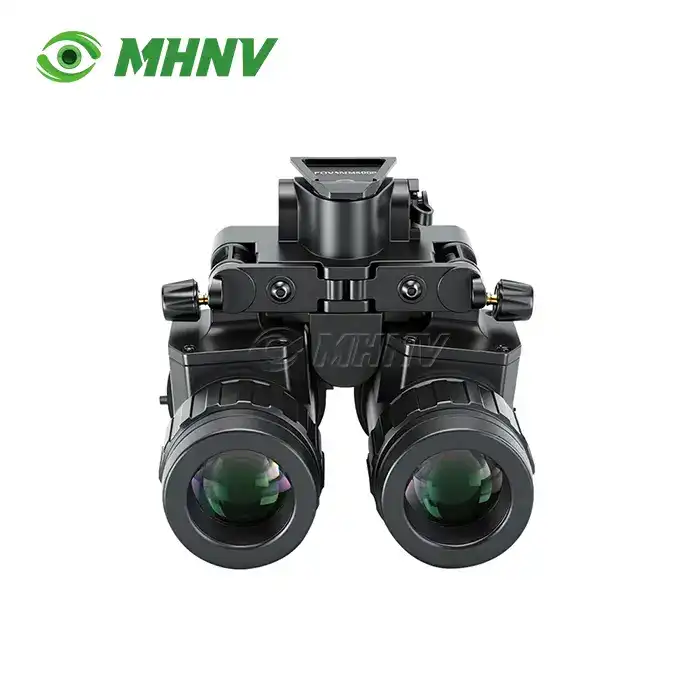
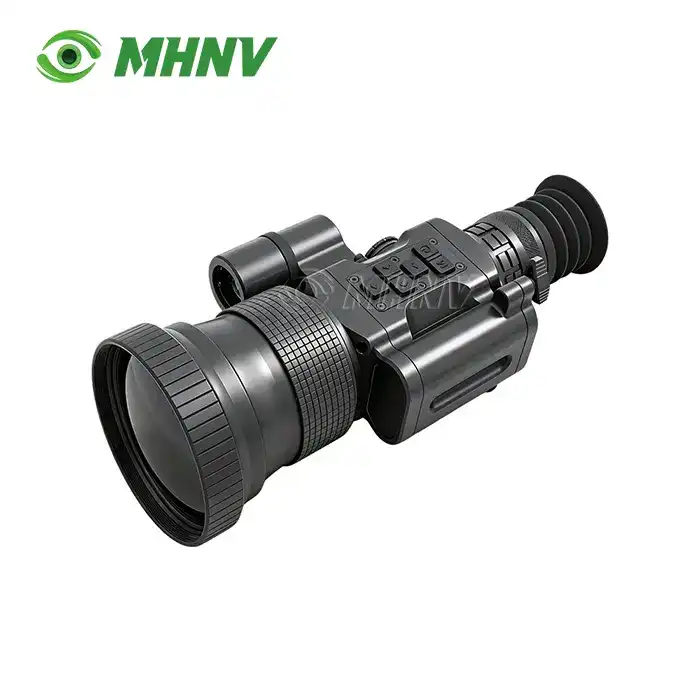
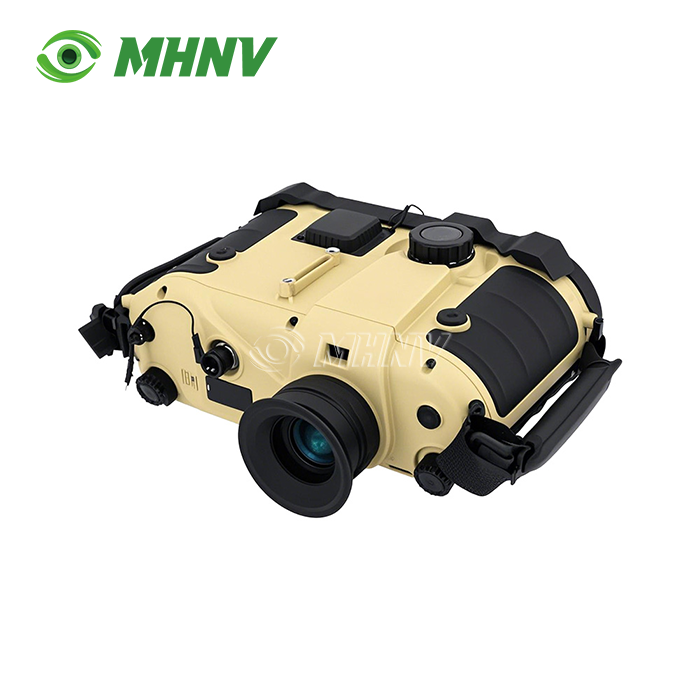
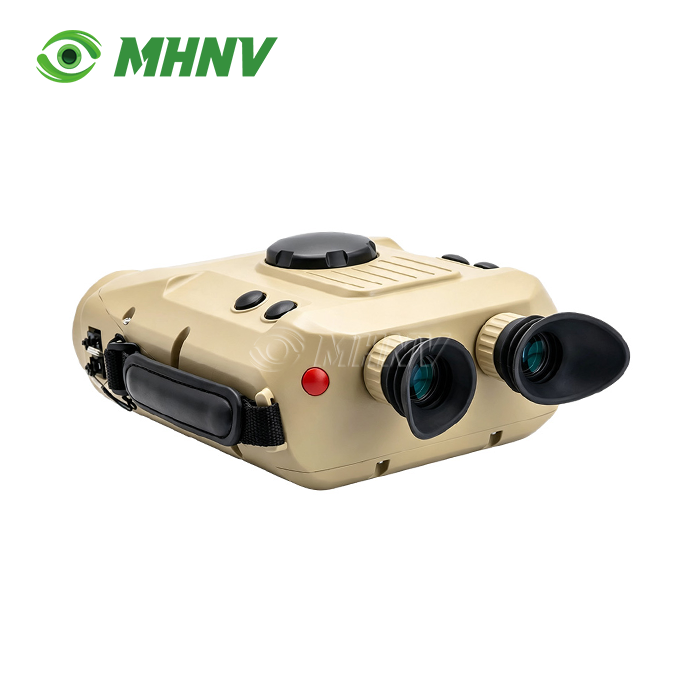
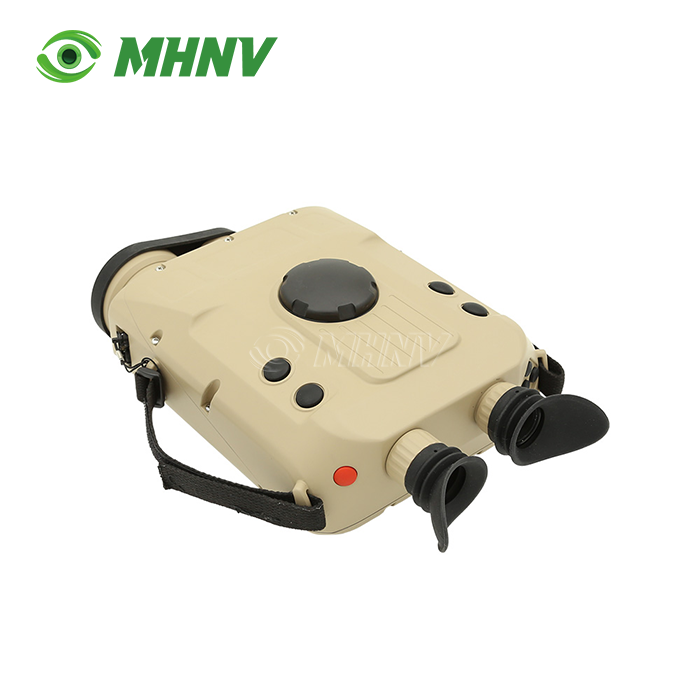
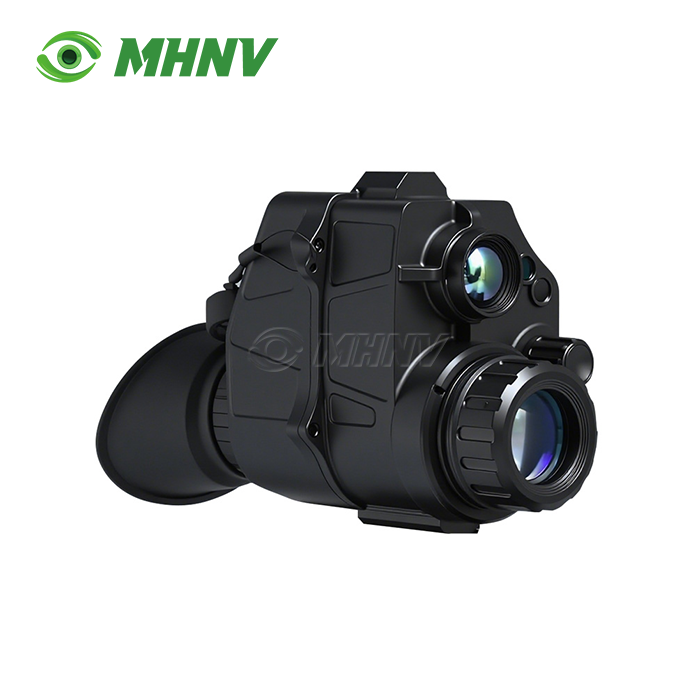
On the technology front, the industry is shifting from single‑modality solutions to multi‑modal fusion. Traditional low‑light image intensifiers deliver clear images under moonlight and retain colour cues, but they are completely useless in total darkness. Thermal imagers, by contrast, detect temperature differences and work in any light condition, yet they lack fine detail – faces or licence plates, for example, are hard to recognise. Today’s leading players no longer take sides; they are investing heavily in multispectral fusion– combining low‑light, long‑wave infrared, and even laser rangefinding into a single helmet‑mounted or vehicle‑forward module. On‑chip image‑fusion algorithms then produce a composite view that highlights heat signatures while preserving structural details. This marks the transition of night vision from mere “seeing” to “seeing clearly and understanding intelligently”.
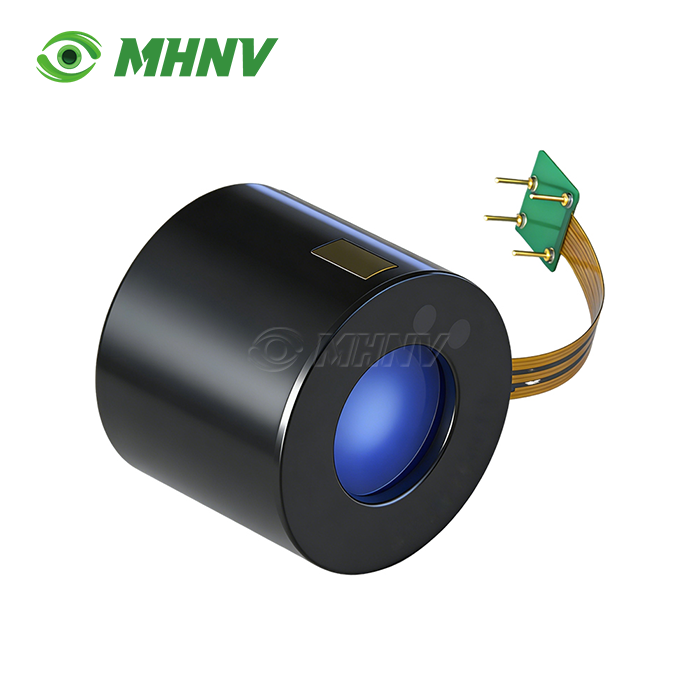
In China, the most striking development is the **breakthrough in domestic manufacturing of core detectors. Over the past five years, Western giants have maintained a stranglehold on the high‑end market through their lead in mercury cadmium telluride (MCT) cooled detectors and high‑grade vanadium oxide (VOx) uncooled sensors. However, domestic players such as Guide Infrared and Raytron have achieved major advances in wafer‑level packaging and ASIC integration, and now mass‑produce stable 1280×1024‑pixel infrared detectors. In the consumer space, Chinese brands have slashed the price of smartphone‑attachable thermal add‑ons to below the RMB 1,000 level, shattering the long‑held image of night vision as an expensive niche product and unlocking a vast new market for hunting, wildlife observation, and outdoor adventure.
Meanwhile, intelligent algorithms are emerging as a critical software‑defined differentiator. Traditional ISP processing struggles in fog, rain, or dusty environments. Deep‑learning‑based low‑light enhancement algorithms – such as variants of Retinex‑Net – can restore texture from extremely noisy signals. Combined with dehazing techniques, they greatly improve the safety margins of automotive night vision in L3/L4 autonomous driving, where millimetre‑wave radar and visible‑light cameras are prone to “white‑out” effects at tunnel entrances and blinding glare at night. Led by domestic EV makers like BYD and NIO, infrared thermal imaging is gradually becoming a standard sensor in premium intelligent driving suites, complementing radar and cameras where they fall short.
Looking towards 2027 and beyond, the next technological inflection point may come from disruptive materials. The commercialisation of colloidal quantum dot (CQD) infrared detectors promises to replace costly semiconductor deposition processes with solution‑based, low‑cost manufacturing. Similarly, metalens (metasurface optics) could shrink bulky lens assemblies to millimetre scale, radically freeing up space on drones and wearable devices. It is foreseeable that future night vision systems will no longer be standalone scopes, but rather integrated “visual nerve endings” within the broader IoT ecosystem, performing real‑time target recognition and threat alerting via on‑device AI.
In summary, the night vision industry stands at a critical crossroads of technology convergence and cost restructuring. For Chinese manufacturers, the key to gaining a voice in setting the next‑generation global standards lies in whether they can sustain their cost advantage while closing the remaining gaps in high‑end cooled detectors and the underlying algorithmic ecosystem. Ultimately, the battle for dominance in the dark is a contest of optoelectronic materials, precision manufacturing, and artificial intelligence – a true test of comprehensive national strength.
YOU MAY LIKE