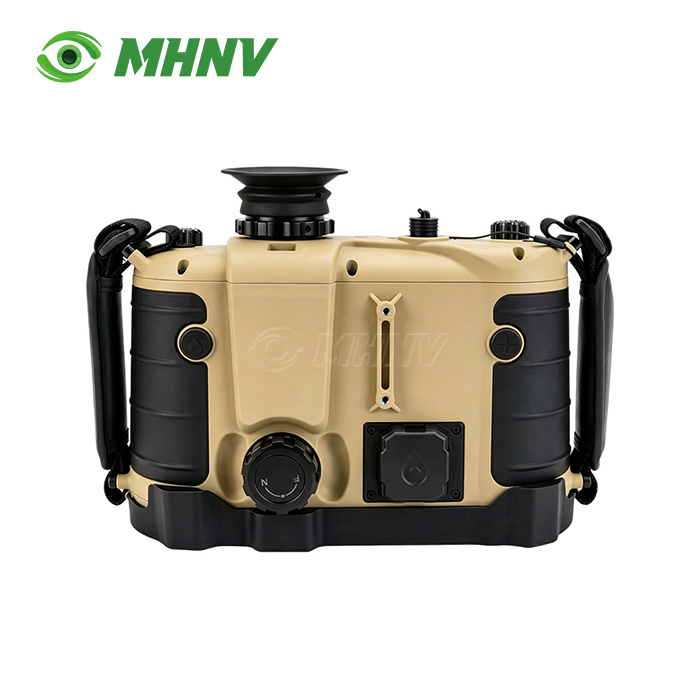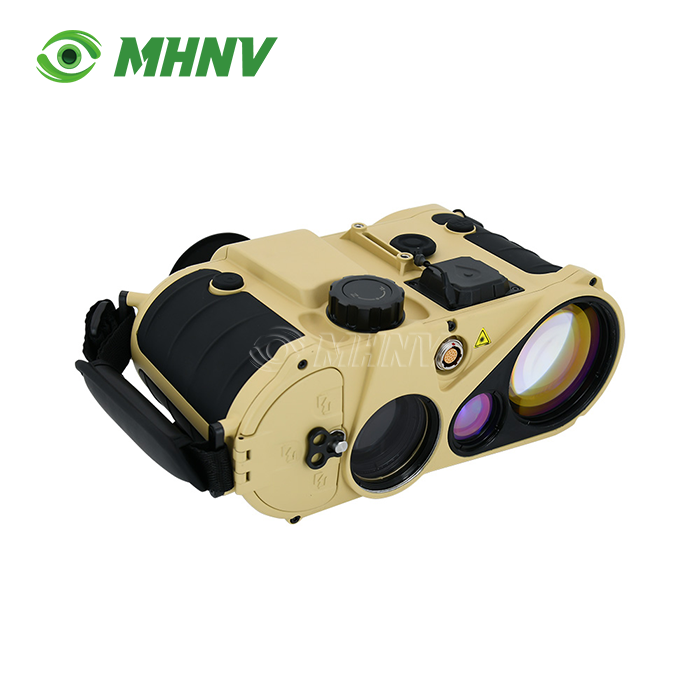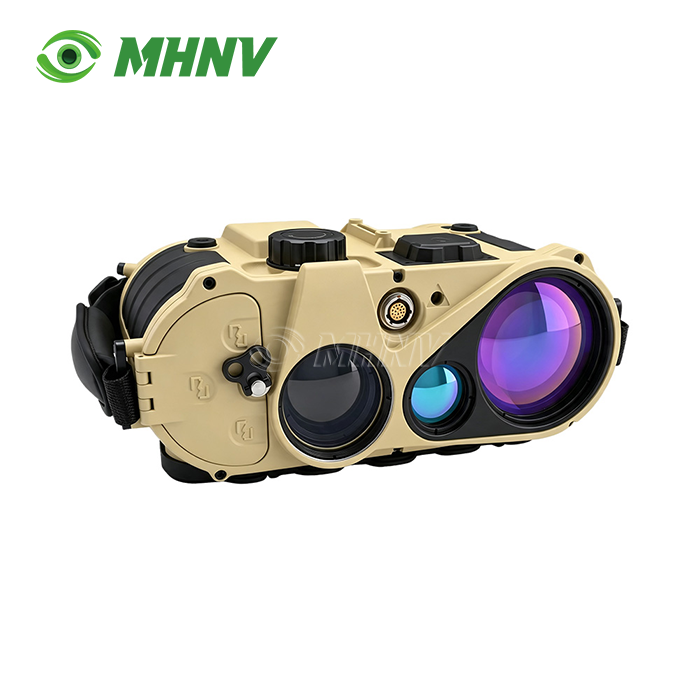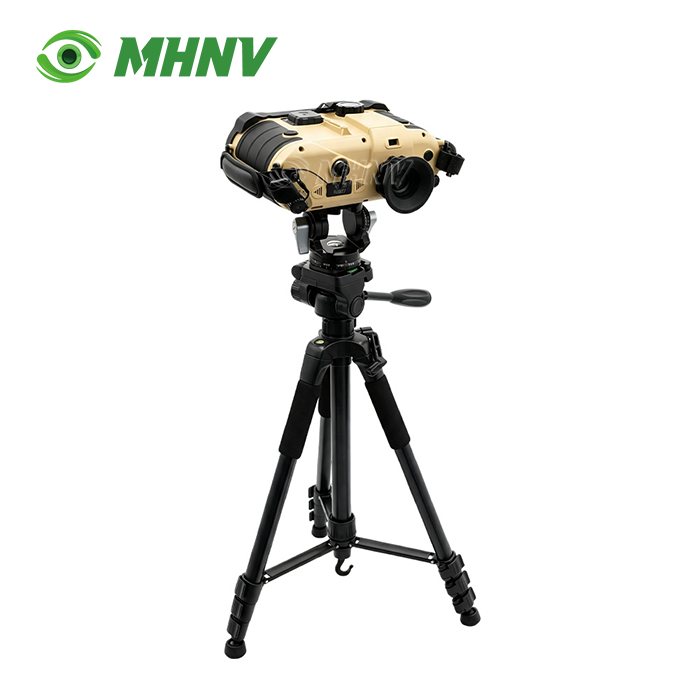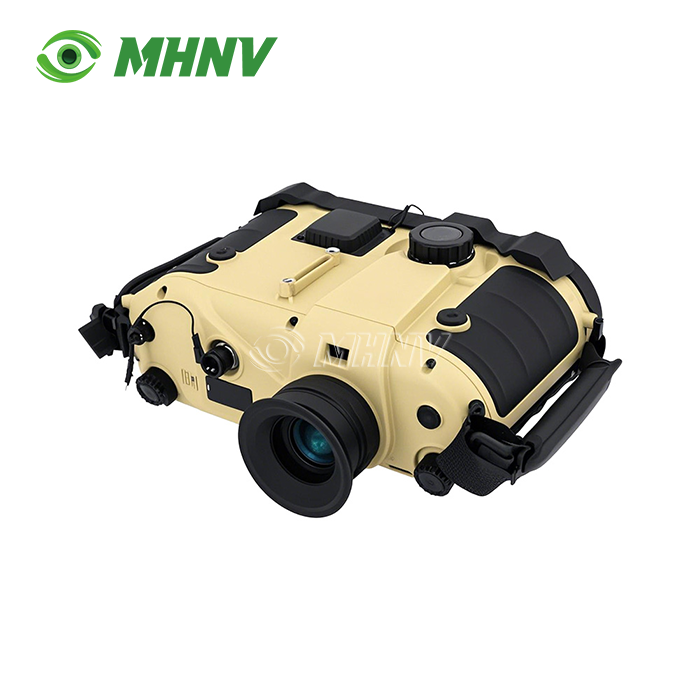
Laser Distance Measuring Binoculars
MHNV® Ultra-Long-Range 20km+ Laser Distance Measuring Binoculars | Professional Direct-View Targeting System with Sub-Mil Accuracy
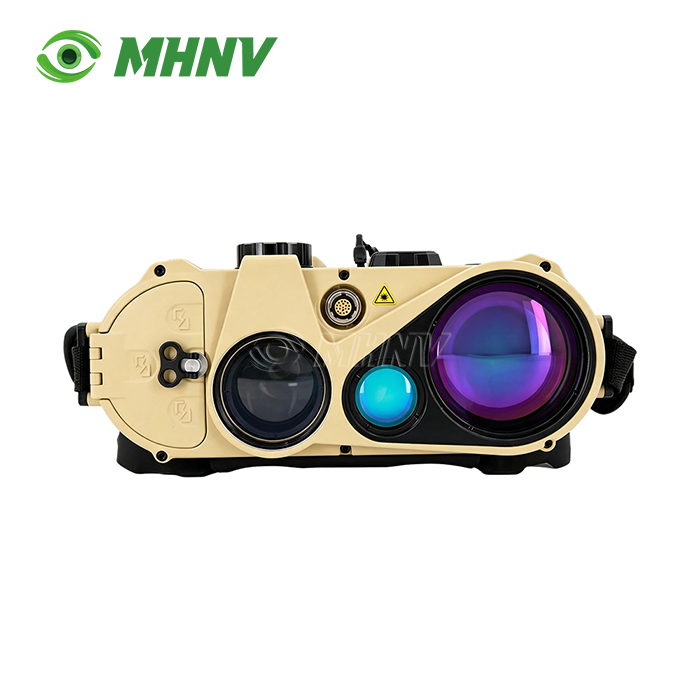
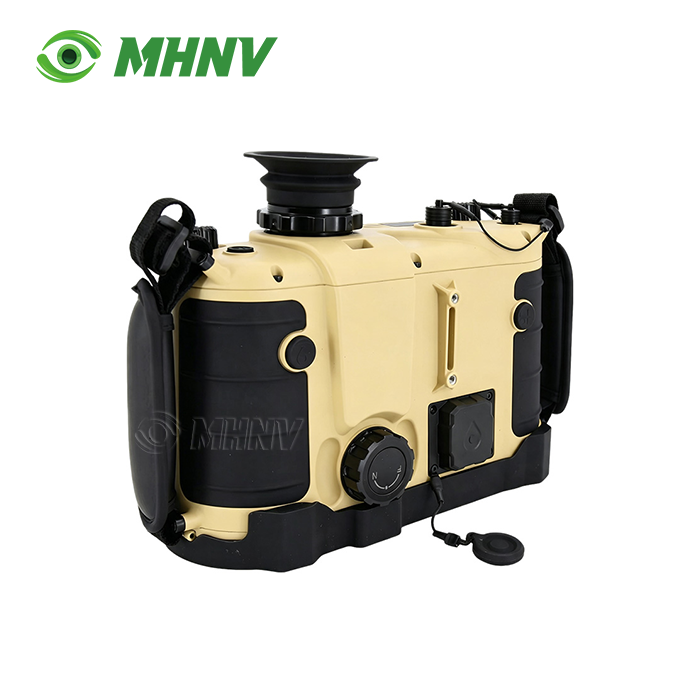
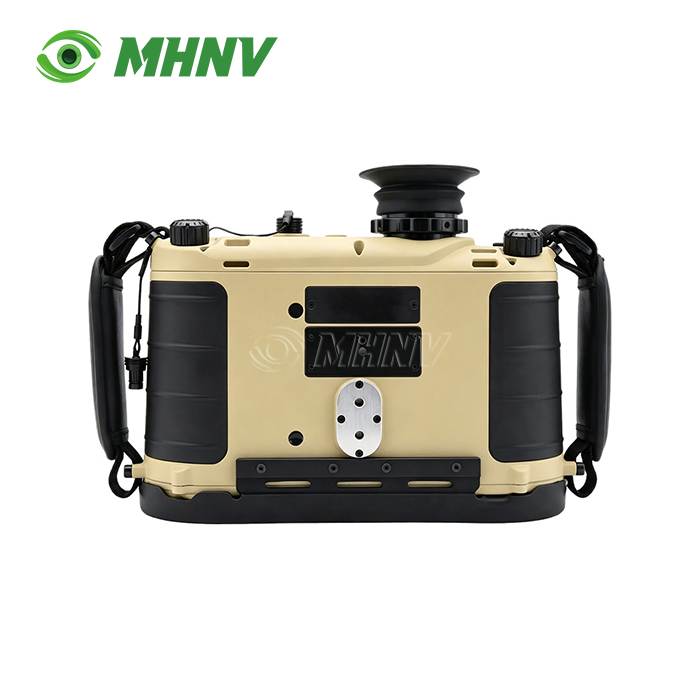
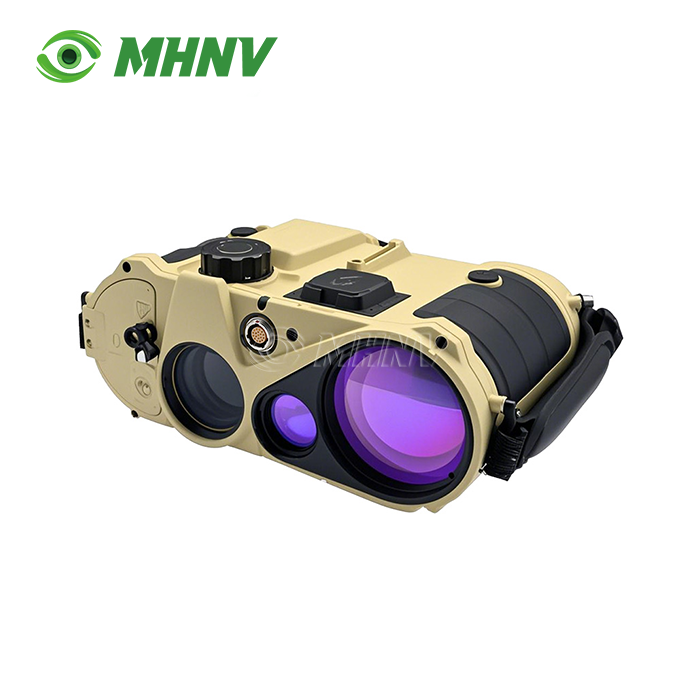
Xi'an MH Electronics And Technology Co., Ltd. introduces the MHNV MH-OL20 Laser Distance Measuring Binoculars, delivering 23km building-class ranging in a 732g handheld platform. Built around a 7×±0.3× direct-view optical channel and a Class 1 eye-safe 1535nm laser rangefinder, this enterprise-grade targeting binocular achieves 0.06° (1 mil) post-correction azimuth accuracy, ≤20m target positioning precision via integrated GNSS, and ≥10-hour continuous operation across −40°C to +60°C environments. Multi-target lock capability, RS232 full-data interface, and IP67 sealing deliver field-grade reliability for long-baseline observation, coastal surveillance, and artillery coordination without the weight or complexity of tripod systems.

Core Technical Specifications
| Parameter | Specification |
|---|---|
| Model | MHNV MH-OL20 |
| Optical Magnification | 7× ±0.3× direct-view |
| Laser Wavelength | 1535 nm (eye-safe) |
| Laser Safety Class | Class 1 |
| Maximum Range (Building) | ≥23 km |
| Maximum Range (Vehicle) | ≥9 km |
| Minimum Range | 50 m |
| Azimuth Accuracy | ≤0.3° (5 mil) / ≤0.06° (1 mil) post-correction |
| Pitch/Roll Accuracy | ≤0.1° (2 mil) |
| Self-Positioning | ±3 m |
| Target Positioning | ≤20 m |
| Data Interface | RS232 full data transmission |
| Dimensions | 190×240×100 mm |
| Weight | 732 g |
| Battery Life | ≥10 hours continuous |
| Operating Temperature | −40°C to +60°C |
| Protection Rating | IP67 |
Ultra-Long Detection Range in Lightweight Design
The high-power 1535nm eye safe emitter of MHNV provides 23 km on reflecting building facades and 9 km on vehicle sized targets. Traditional handheld units rarely surpass 3-6 km, and hence observers are forced to upgrade to tripod-mounted systems weighing 3-5 kg. MH-OL20 removes that compromise. Your squad gets best-in-class range capabilities in a belt pouch or cargo pocket. Only 732g and 190×240×100mm.
Coastal Watch Teams monitoring maritime lanes have extended horizon coverage. Artillery advance observers have visual confirmation and laser ranging beyond normal direct-fire ranges. Border surveillance teams observe movement across large valleys without giving away their position by going in closer.
Sub-Mil Angular Precision for Grid-Level Targeting
After magnetic adjustment by map, azimuth accuracy is 0.06° (1 mil); pitch and roll sensors are 0.1° (2 mil). Add integrated GNSS ±3m self-position and ≤20m target-grid precision and you send eight-digit grid references, putting indirect fire inside first-round correction range at 15-20km.
Consumer rangefinders are limited to 3-5 mil azimuth tolerance therefore they don't do much good over 5km. Professional tripod systems offer sub-mil precision at the cost of portability. The MH-OL20 fills that gap, bringing the precision of a static observation post into a one-handed gadget your forward observer can install from any vantage point in 30 seconds.
Class 1 Eye-Safe Laser with Direct-View Backup
The 1535nm wavelength is Class 1 eye-safe certified, providing unrestricted ranging over inhabited areas, friendly-force sectors, and reflective water surfaces. You shorten delays for laser-safety coordination and reduce the risk of unintentional ocular exposure during multi-agency operations.
In the event of electronics failure (including EMP), prolonged cold soak, or battery drain, the 7× direct-view optical channel continues to function. Your observer is giving you visual magnification and reticle rough range for mission continuity that cannot be provided by completely digital systems once their internal battery dies.

Integrated Ballistic Computer and Real-Time Data Output
Laser Distance Measuring Binoculars equipped with an onboard ballistic calculator accept custom munition profiles, real-time meteorological inputs (temperature, pressure, humidity), and output corrected firing solutions via RS232. Command-post laptops, drone ground stations, and battle-management software ingest range, azimuth, elevation, target grid, and ballistic data without manual voice relay or paper transcription.
Observation-to-fire timelines shrink from minutes to seconds. Multi-target lock functionality stores two independent target records with exact separation distance—critical for convoy spacing analysis, fall-of-shot bracketing, and coordinated strike planning across dispersed formations at ultra-long range.
10-Hour Runtime and Full-Environment Sealing
Internal batteries provide ≥10 hours of continuous range, compass, and GNSS operation—more than enough to cover a full eight hour shift with margin to spare. Field teams bypass mid-mission battery swaps and the danger of losing positional context during power transfers.
IP67 sealing protects against dust ingress and brief immersion to one metre. The operational environment from -40°C to +60°C covers arctic border patrol, desert armour observation and tropical coastal surveillance without performance derating. Salt spray, rain and dust storms are non-events to staff working in coastal, desert or high-latitude zones.
Multi-Target Ranging for Advanced Fire Coordination
Lock and store two independent targets, then measure their exact separation distance. This function is used by artillery observers to measure fall-of-shot spreads and adjust fire-for-effect patterns. Convoy interdiction planners calculate vehicle spacing to time strikes effectively. Coastal surveillance teams monitor the separation of the lead/trail vessel to distinguish types of formations and to estimate intercept windows.
Single-target rangefinders require operators to memorise or manually record reference locations, increasing transcription mistakes and slowing decision cycles. The MH-OL20 automates this operation, with range sets and the delta shown on-screen for instant tactical analysis.
FAQ
Q: How do atmospheric haze and fog affect the 23km maximum range advertised for these products?
A: The 1535nm wavelength offers superior atmospheric penetration compared to visible-spectrum lasers, and the MH-OL20 employs multi-pulse filtering to reduce backscatter interference. In clear conditions you achieve rated range on high-contrast targets; moderate haze reduces effective range by approximately 20–30 percent, while heavy fog or precipitation may limit returns to 8–12km on buildings. Real-world performance scales with visibility—plan observation posts to maintain overlapping coverage zones when forecasting reduced visibility windows.
Q: Is the 1535nm laser truly safe for continuous use near friendly personnel and civilian populations?
A: Yes. Class 1 certification under IEC 60825-1 confirms the emitted energy remains below the maximum permissible exposure threshold for unprotected eyes at all distances. You can range across populated areas, maritime traffic lanes, and friendly-force positions without laser-safety coordination or establishing hazard corridors. This regulatory clearance streamlines multi-agency operations and reduces administrative overhead during joint exercises or coalition deployments.
Q: Can I measure through glass windows or vehicle windshields?
A: Laser rangefinders struggle with transparent surfaces due to partial reflection and transmission losses. The MH-OL20 includes signal-processing algorithms to minimize glass interference, but direct ranging through thick laminated or coated automotive glass remains unreliable. For targets behind glass, reposition to achieve an oblique angle or range an adjacent hard surface, then apply manual offset. Avoid ranging through your own observation-post window; step outside or use an open embrasure for consistent returns.
Q: What is the expected battery life in sub-zero Arctic or high-altitude environments?
A: The MH-OL20 employs high-capacity lithium cells optimized for cold-temperature discharge, sustaining ≥10 hours of continuous operation down to −40°C. In practice, battery chemistry degrades more rapidly below −30°C; we recommend carrying cells in an inner insulated pocket and swapping them warm to extend field life. Pre-warming batteries to 0°C before installation can recover 15–20 percent additional runtime during extended Arctic patrols or high-altitude winter reconnaissance.
Q: How often does the compass and inclinometer require recalibration?
A: Factory calibration remains stable for 24 months under normal field use. We recommend an annual verification using a certified azimuth baseline (surveyed reference line) and a precision inclinometer to confirm 0.06° azimuth and 0.1° pitch/roll specifications. Units exposed to strong magnetic fields, mechanical shock, or sustained vibration during vehicle transport should undergo interim checks every six months. Recalibration service is available through our technical support team; contact sarah@mh-elec.com for procedures and return-authorization documentation.

Contact MHNV® for Custom Laser Distance Measuring Binoculars Solutions
Request technical datasheets, OEM customization quotes, or arrange a live Laser Distance Measuring Binoculars ranging demonstration by emailing sarah@mh-elec.com today.
YOU MAY LIKE