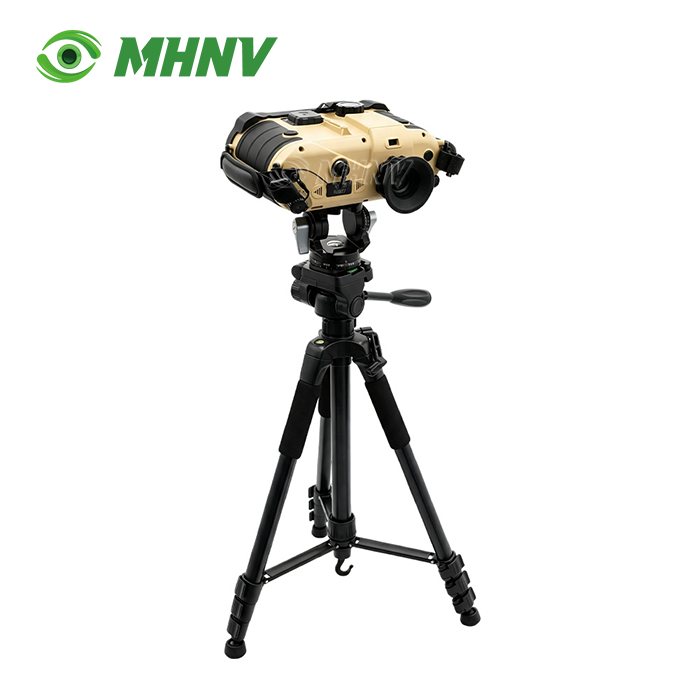
Rangefinder Binoculars
High-Performance Rangefinder Binoculars | Professional 23km Laser Distance Measurement Solution for Long-Range Observation
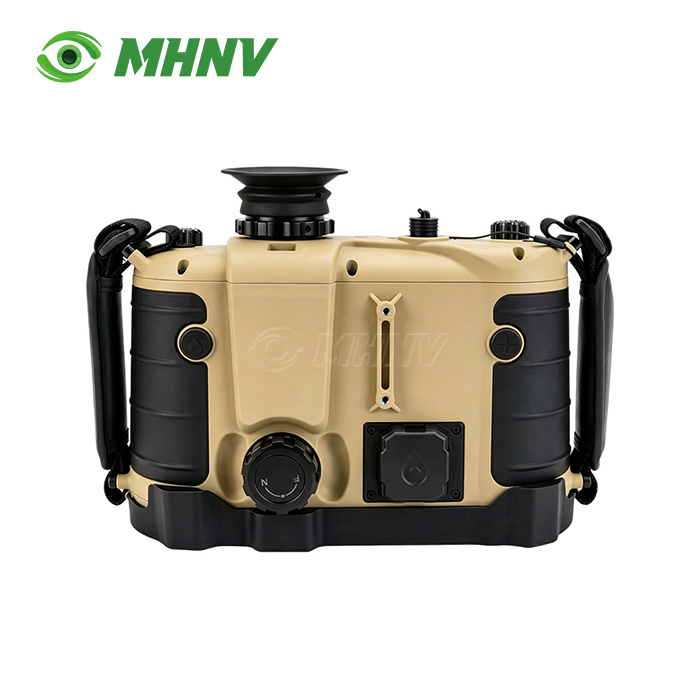
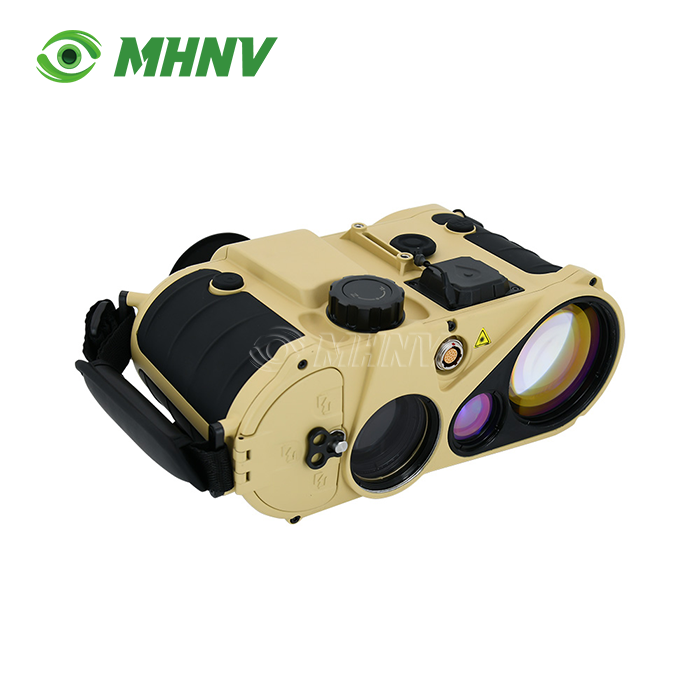
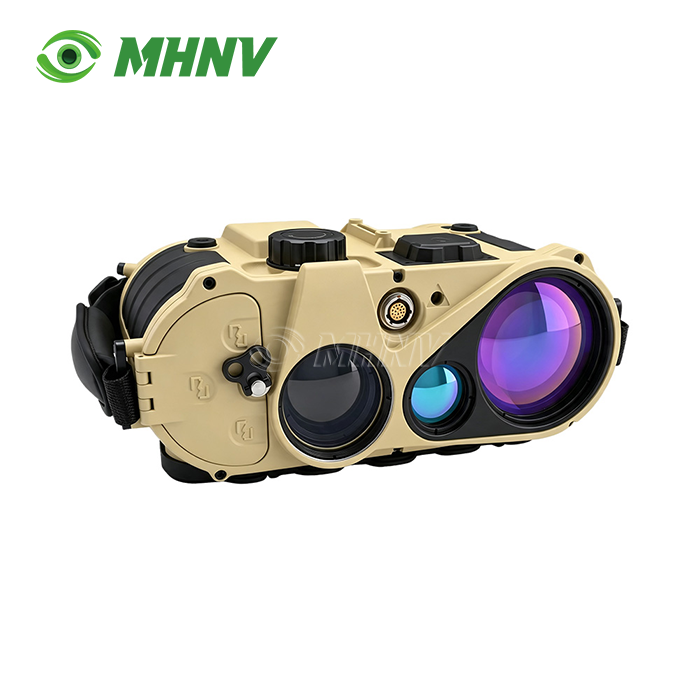
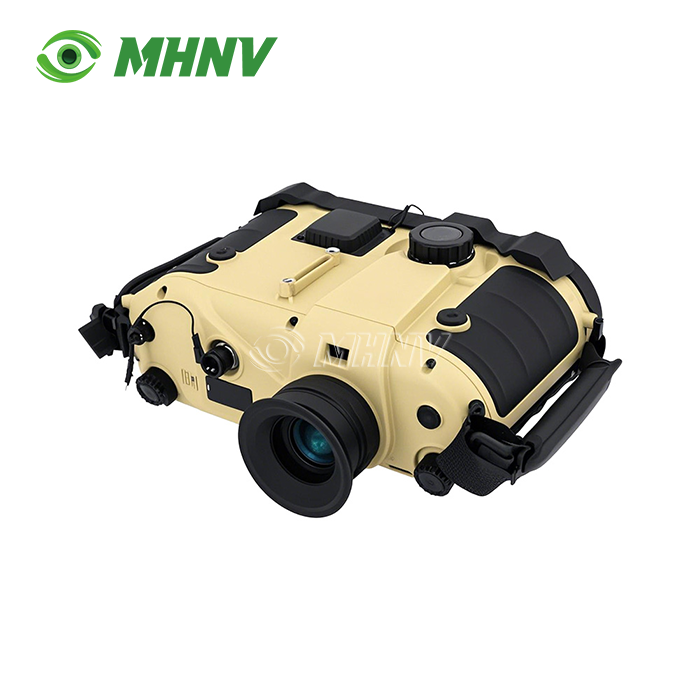
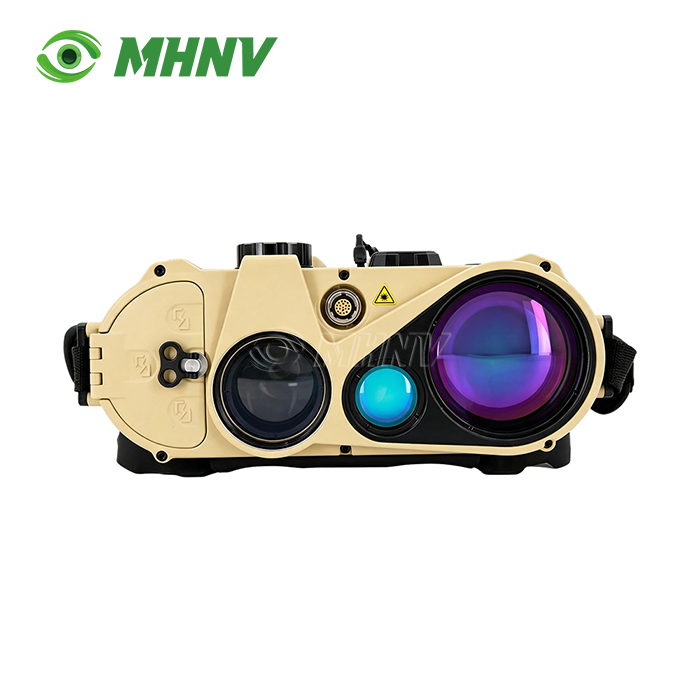
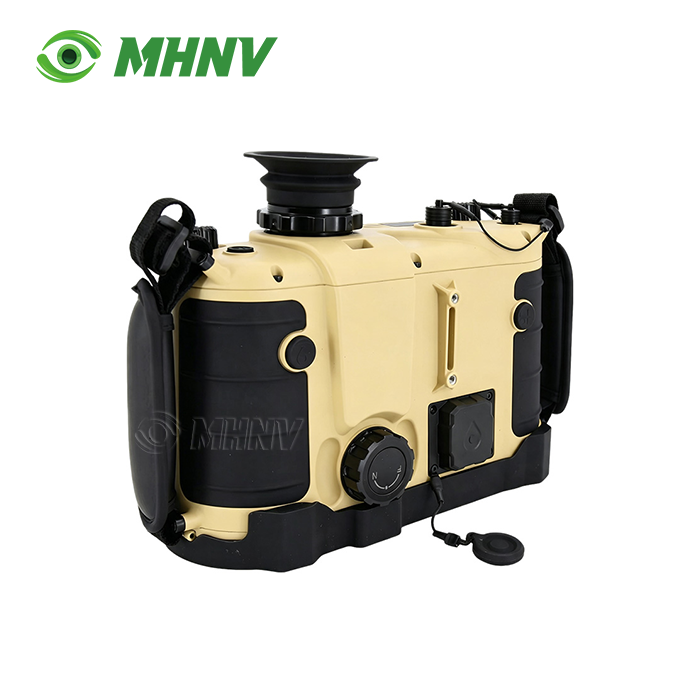
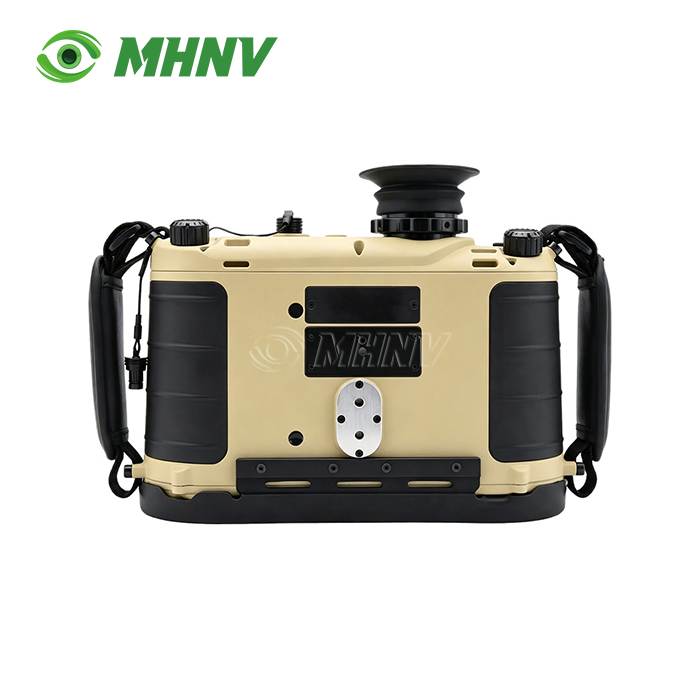
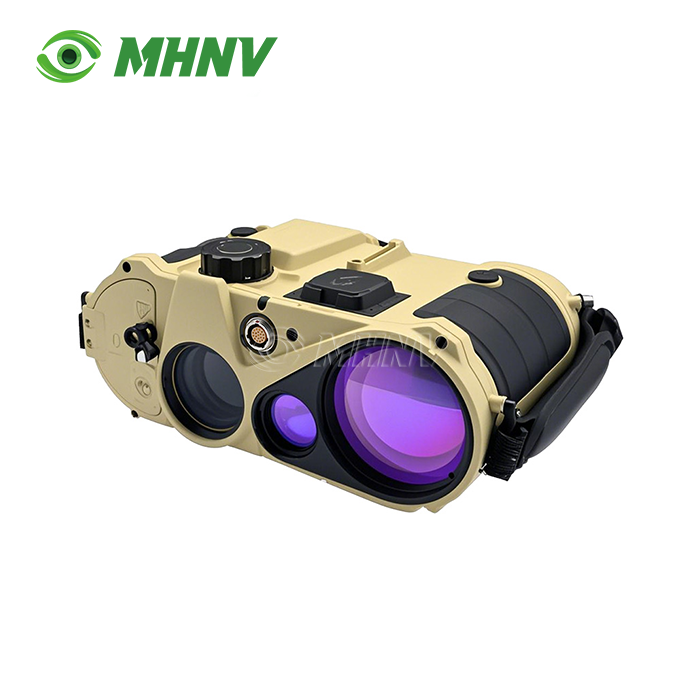
There is a need for reliable optical-electronic systems that offer constant accuracy in difficult field settings for precision long-range observation and measurement. The MHNV® MH-OL20 Rangefinder Binoculars have 7× direct view optics with a 23 km Class-1 eye safe laser rangefinder, electronic compass, ballistic calculator and multi-target tracking functionality in a 732 gram handheld body. It is designed for survey teams, coastal surveillance, border observation and forward artillery spotting. It offers 0.06° azimuth accuracy after map correction, keeping target placing within ±20m at extreme distances. It has IP67 sealing and 10 hours of continuous run duration, enabling operation in settings ranging from −40°C to +60°C with zero-latency direct-view backup in case of electronic system failure.
What Are Rangefinder Binoculars and Why Do They Matter?
The goods are advanced optoelectronic instruments with high-magnification stereoscopic observation and semiconductor laser distance measurement technology, which can make users see and measure the remote targets simultaneously with sub-meter accuracy. Monocular rangefinders sacrifice depth perception and ergonomic stability, while binocular systems rely on multi-coated optical channels to eliminate parallax errors and furnish the stereoscopic depth cues vital for professional topographical surveying, maritime navigation and precision long-range shooting.
These devices tackle important operational pain points such as target recognition at extreme ranges, measurement instability due to air jitter and the need for simultaneous spatial orientation. Combining Time-of-Flight laser measurement with digital compass, GPS positioning and ballistic computation, the devices provide full situational awareness in one handheld platform – decreasing equipment load and speeding observation-to-decision timescales in demanding field operations.
Technical Specifications
| Parameter | Specification |
|---|---|
| Model | MHNV MH-OL20 |
| Optical Magnification | 7× ±0.3× |
| Laser Wavelength | 1535 nm eye-safe |
| Laser Classification | Class 1 eye-safe |
| Max Range (Buildings) | ≥23 km |
| Max Range (Vehicles) | ≥9 km |
| Minimum Range | 50 m |
| Azimuth Accuracy | ≤0.3° (5 mil) |
| Azimuth (Map-Corrected) | ≤0.06° (1 mil) |
| Pitch/Roll Accuracy | ≤0.1° (2 mil) |
| Self-Positioning | ±3 m |
| Target Positioning | ≤20 m |
| Multi-Target Tracking | Two-target lock with separation readout |
| Ballistic Calculator | Real-time weather input, custom munition |
| Data Output | RS232 full data transmission |
| Digital Image Interface | Scalable output |
| Dimensions | 190 × 240 × 100 mm |
| Weight | 732 g |
| Operating Time | ≥10 hours continuous |
| Temperature Range | −40°C to +60°C |
| Ingress Protection | IP67 |
Core Engineering Advantages of MHNV MH-OL20 Rangefinder Binoculars
Ultra-Long 23km Laser Range in a Sub-Kilogram Package
The 1535nm eye-safe rangefinder offers 23km building detection and 9km vehicle identification, distances often restricted to tripod-mounted 3–5kg observation systems, yet the whole body weighs only 732g and fits in standard patrol pouches. This class-leading range to weight ratio has benefits for coastal watch teams monitoring maritime lanes, border observers tracking cross-border movement and artillery forward observers correcting fires beyond 15km. You can deploy rapidly without carrying additional support equipment.
Class-1 Eye-Safe Laser with Dead-Battery Direct-View Backup
The 1535nm wavelength enables continuous ranging in populous regions, friendly persons and reflective coastal surfaces without triggering ocular hazard regulations. In case of electronics failure from extended electronic warfare or battery drain, the 7× optical channel remains active, enabling visual observation and approximate range estimation with the reticle. The dual-mode architecture ensures mission-critical observation capacity that fully digital systems lose the moment their power source diminishes.
Sub-Mil Accuracy Stack for Grid Call-Out at 20km Distance
After map correction, the system provides 0.06° (1 mil) azimuth accuracy and 0.1° (2 mil) pitch/roll accuracy, resulting in a sub-20m circular error probability on a target grid at 15km range. This level satisfies the first round artillery rectification and drone strike coordination requirements. Consumer-grade devices are limited to 3-5 mil azimuth accuracy and lose utility for indirect fire control beyond 3km, forcing units to upgrade to heavier tripod systems that MH-OL20 replaces for a quarter of the weight.
10-Hour Continuous Run Time RS232 Command Post Integration
Internal Power >10 hours of continuous use, enough for entire 8 hour shifts with reserve. The RS232 output feeds compass, range, GPS, target grid and ballistic solutions directly into command laptops, drone ground stations and battle-management systems. Field observers relay targeting data in real time, eliminating the need for manual voice call-out or paper transcription, reducing the observation-to-fire-mission timeline from minutes to seconds.
IP67 Sealed Rugged Body -40°C to +60°C
Full immersion and dust sealing. 100 degree working envelope covers polar border patrol, desert armour observation, tropical littoral surveillance and coastal salt-spray situations without derating. The single device works across all the climates you operate in, eliminating the parallel-fleet cost of running climate-specific variations, and decreasing fleet-wide warranty returns on harsh-environment deployments.

Professional Applications Across High-Demand Sectors
Power Engineering & Infrastructure: Technicians employ these binoculars for sag measurement and wire-clearance analysis. The high-precision vertical angle sensor enables accurate point-to-point distance calculations in complex urban corridors where overhead power lines intersect multiple elevation planes.
Maritime Navigation and Search & Rescue: In low-visibility marine environments, superior light-gathering capability and 'Last Target' logic filter interference from sea spray and fog to accurately locate vessels or hazards. Coastal watch stations maintain continuous surveillance without risking eye exposure to laser reflection from water surfaces.
Long-Range Ballistics and Wildlife Research: Competitive shooters and wildlife researchers receive instantaneous holdover and windage data based on onboard environmental sensors capturing barometric pressure and temperature. Accurate range and ballistic solutions remain available in variable terrain where GPS signals may be obstructed by topography or canopy.
Border and Perimeter Security: Two-target lock with exact separation readout supports convoy spacing analysis and fall-of-shot correction for artillery observers. Your teams identify and report multiple simultaneous targets with confidence in sub-100m grid accuracy, even at extreme distances.
MHNV® Manufacturing Excellence Behind Every Unit
Since 2013, Xi'an MH Electronics And Technology Co., Ltd. has been a full-stack manufacturer overseeing all engineering disciplines, including optical design, FPGA processing, embedded firmware, algorithms for AI, mechanical design, precision assembly and quality testing. Unlike trading businesses, MHNV® has in-house integrated manufacturing facilities with Class-10,000 cleanrooms for calibration, SMT production lines, precision optical assembly stations and professional metrology laboratories.

All units sent are tested for Signal-to-Noise Ratio, resolution verification, halo measurement, environmental reliability screening and full functional validation. The organization is ISO 9001:2015 Quality Management Certified and has CE, RoHS and FCC Compliance. MHNV® has over 12 years of industry expertise servicing customers in over 60 countries and provides one-stop project management from concept to mass production with direct engineer-to-customer connection.

Quality Assurance and Testing Protocols
High-precision Rangefinder Binoculars quality control requires specialised industrial protocols. Optical Axis Collimation The laser emitter, receiver and optical viewing route are collimated and aligned to perfection to avoid bias in the measurement. Recoil resistance testing (up to 1000G) and vibration testing that simulate tough transport circumstances confirm mechanical integrity.
Environmental Reliability is verified with Thermal Cycling through the complete −40°C to +60°C operational environment and Salt Spray Testing for maritime lifespan. Each device is Range Calibrated against traceable baselines to confirm that the digital readouts are in accordance with physical distance within defined tolerance levels. Internal housings are purged with nitrogen to prevent internal fogging and IP67 ratings ensure performance under full immersion.
FAQ
Q: How does beam divergence affect the accuracy of the products?
A: Beam divergence directly determines the laser spot size at the target and influences measurement precision at long distances. A smaller beam divergence—typically 1.0 to 1.5 milliradians in professional-grade systems—ensures the laser energy remains concentrated on small targets at extreme ranges, preventing false readings from background objects such as vegetation, structures or terrain behind the intended point. MHNV MH-OL20 employs tightly controlled beam geometry to maintain consistent performance across the full 50m to 23km operating envelope, ensuring you receive accurate distance data even when ranging narrow features such as utility poles or vehicle silhouettes at multi-kilometer distances.
Q: What is the difference between First and Last Target modes in laser rangefinders?
A: First Target mode reports the distance to the nearest object encountered by the laser pulse—ideal for open-field measurements such as golf or clear-line-of-sight surveying. Last Target mode ignores initial reflections and reports the farthest object detected, essential for measuring through brush, rain, fog or light vegetation by filtering out interference. The MH-OL20's sophisticated signal processing logic automatically discriminates between foreground clutter and the actual target surface, preserving measurement accuracy in degraded visibility conditions common to coastal, forest and weather-affected environments.
Q: Can these binoculars be used for surveying without a tripod?
A: While the MH-OL20 features advanced image stabilization and high-speed signal processing, measurements exceeding 1,000 meters benefit significantly from tripod mounting to ensure the laser beam hits the exact target point and to eliminate hand tremor that can introduce angular error. For rapid tactical measurements under 1km or when tripod deployment is impractical, the direct-view 7× optics combined with electronic stabilization provide sufficient accuracy for most field applications. For cadastral surveying, artillery fire correction or other tasks demanding sub-meter precision at extreme range, you should employ the integrated tripod mount.
Q: How does target reflectivity impact the maximum range specification?
A: Manufacturer range specifications typically assume highly reflective targets such as building facades or vehicle bodies; dark or matte surfaces significantly reduce effective range by scattering incident laser energy rather than returning a strong echo signal. The MH-OL20 compensates for this phenomenon through sensitive Avalanche Photodiode receivers and adaptive gain control, extending usable range even on low-reflectivity targets. As a rule, expect approximately 60–70% of the published maximum range when measuring dark foliage, non-reflective camouflage or deeply weathered surfaces.
Q: Are high-precision products eye-safe under all operating conditions?
A: Professional-grade units such as the MH-OL20 employ Class-1 lasers certified eye-safe under normal operating conditions according to IEC 60825-1 standards, meaning direct viewing through the optical channel during ranging poses negligible risk to ocular tissue. The 1535nm wavelength offers additional safety margin compared to 905nm systems, as it is strongly absorbed by the cornea and aqueous humor before reaching the retina. You can range continuously across populated areas, friendly personnel and reflective surfaces without requiring special eye protection or restricted operational protocols.

Contact MHNV® for Expert Consultation
Contact our engineering team at sarah@mh-elec.com for Rangefinder Binoculars technical specifications, custom configuration options and volume pricing tailored to your mission requirements.
YOU MAY LIKE