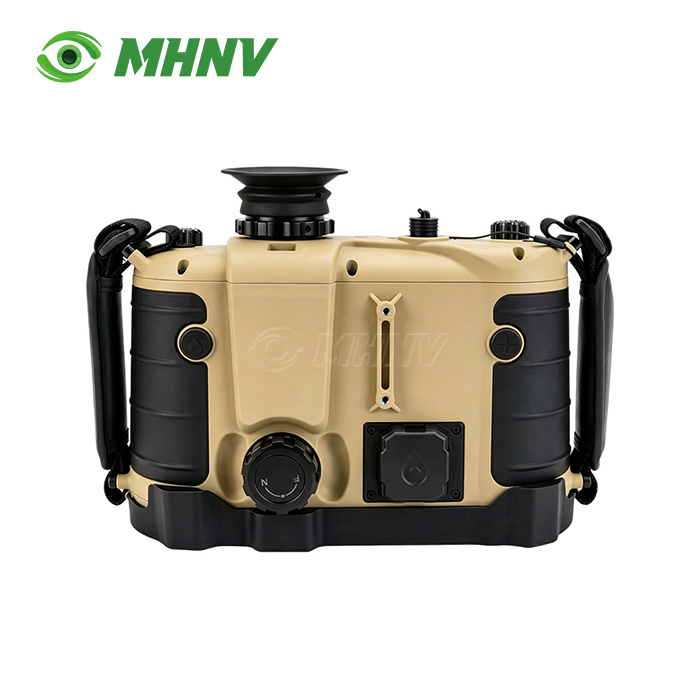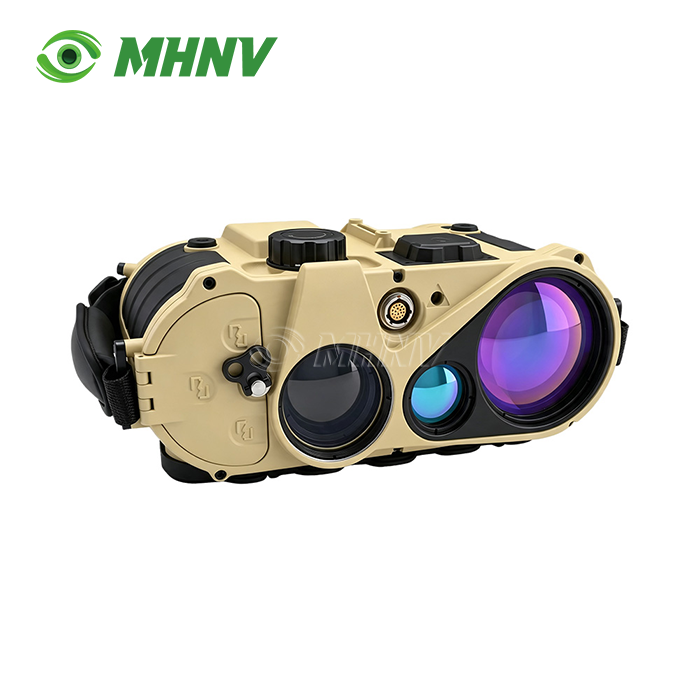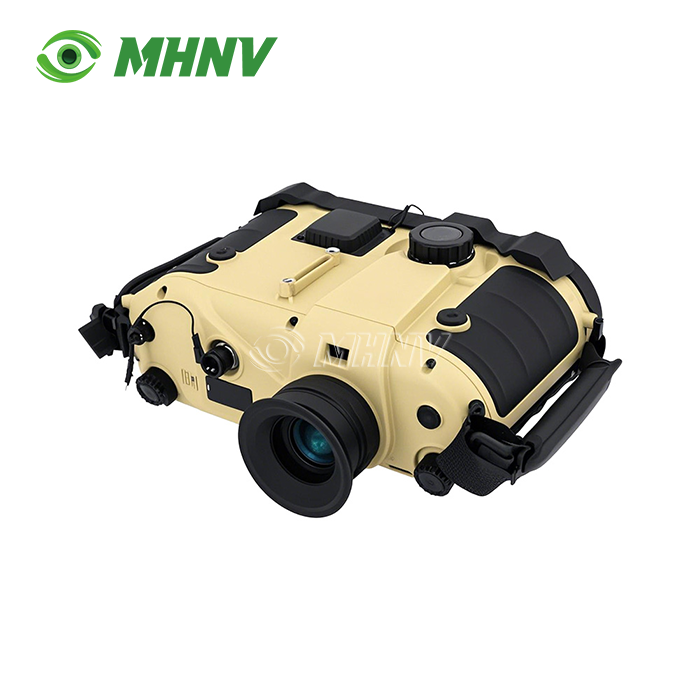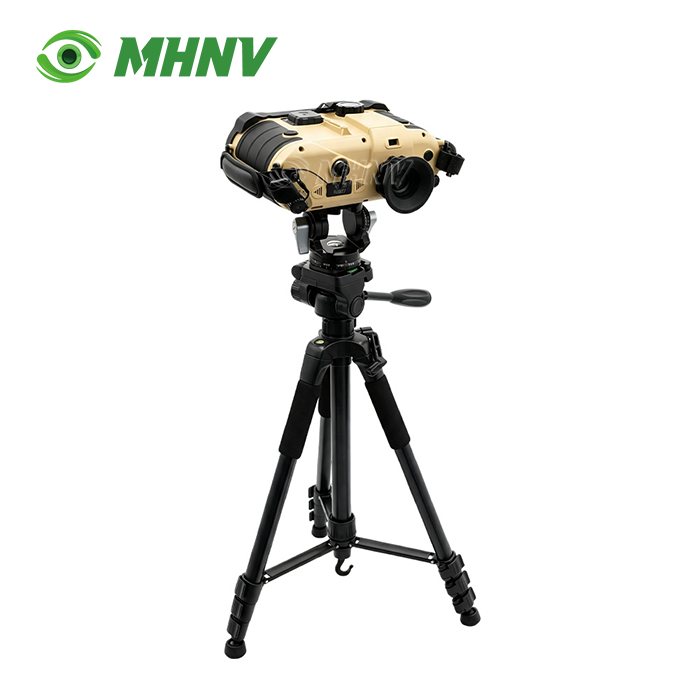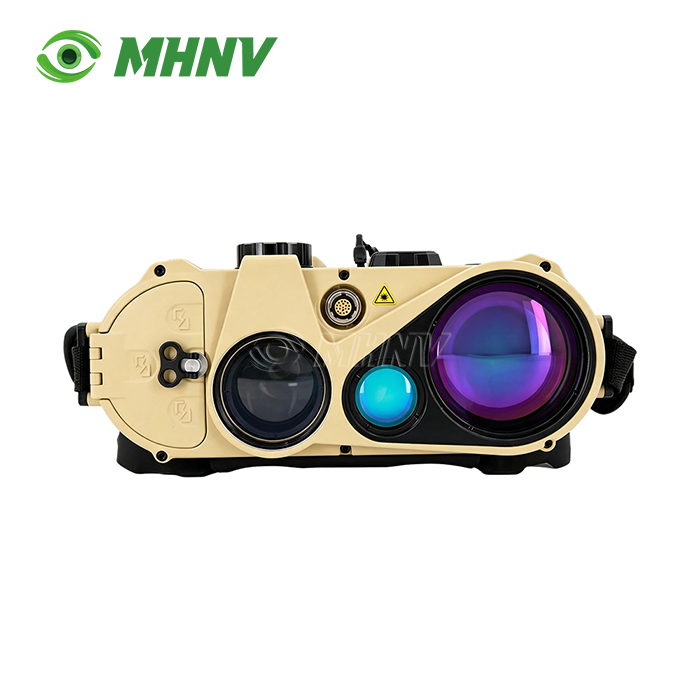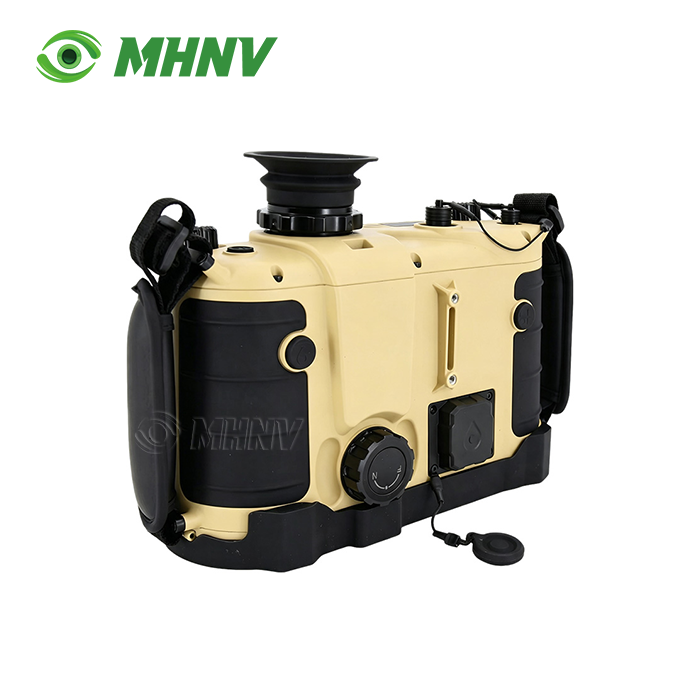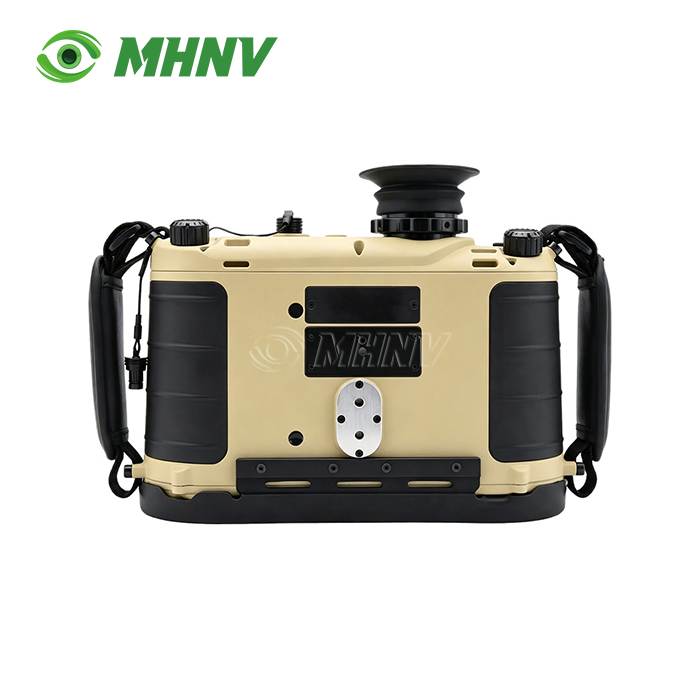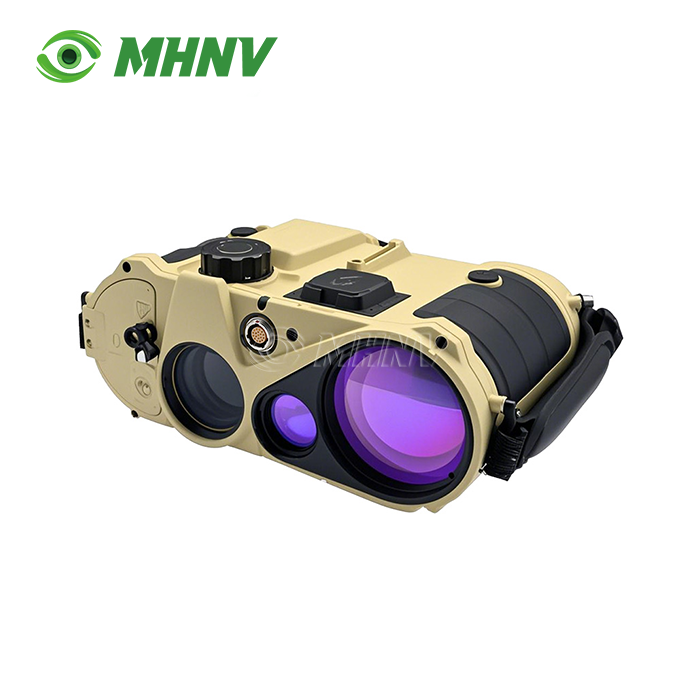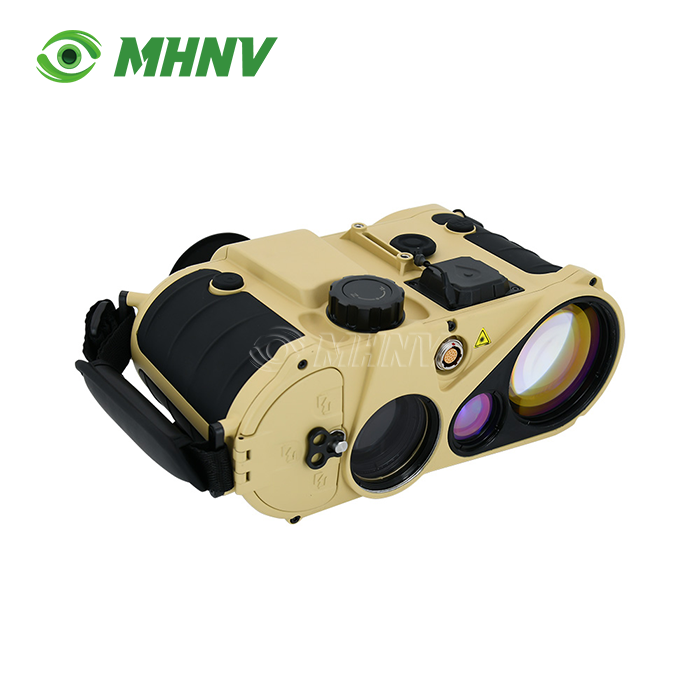
Laser Targeting Binoculars
Professional Laser Targeting Binoculars with 23km Range and Sub-Mil Precision for Long-Range Observation and Target Acquisition
Xi'an MH Electronics And Technology Co., Ltd. presents the MHNV MH-OL20 Laser Targeting Binoculars, a handheld direct-view observation device developed for ultra-long-range target acquisition and precise grid synchronisation. The premium platform includes 7× optical magnification, a 1535nm Class 1 eye-safe laser rangefinder with 23km target acquisition on structures and 9km on vehicles, an electronic compass with 0.06° azimuth accuracy after correction, and onboard ballistic computing in a 732g IP67-sealed housing.
The MH-OL20 is designed for artillery forward observation, coastal surveillance, border monitoring and industrial inspection and provides tripod-class performance in a patrol-pouch-sized footprint. Its direct-view optics keep zero-latency visual surveillance running even when electronics are off, providing continuity in electronic warfare or power breakdown scenarios.
Extended-Range Performance in Handheld Form Factor
The MH-OL20 devices have a building range of 23km and a vehicle range of 9km with a 1535nm eye-safe laser, which is comparable to the performance of tripod-mounted observation systems that weigh three to five kilos. Weighing 732 grams, the unit fits into conventional patrol pouches, and enabling single-operator deployment throughout coastal watch posts, desert observation points and mountain border stations.
Coastal teams use the enhanced range to detect and track vessels at the legal threshold monitoring shipping corridors outside territorial waters. For border observers watching cross-border activity, early warning windows are measured in minutes, not seconds. Artillery advance observers correct fires beyond 15 kilometres without the use of costlier laser target locators, which reduces the logistical burden and personnel size.

Eye-Safe Laser and Direct-View Backup Continuity
Class 1 eye-safe certification at 1535nm wavelength enables continuous range over crowded areas, friendly persons and reflective coastal surfaces without ocular hazard alerts. The 7× optical direct-view channel is independent of the electronic suite. Batteries can run down or jamming can disable the rangefinder but the operators still have visual observation and reticle based crude range calculation.
The dual-mode architecture safeguards mission-critical observation capacity that is lost in fully-digital systems with power failure. Field forces operating in disputed electromagnetic environments or long-duration patrols without resupply maintain situational awareness regardless of electronic status – a resilience advantage that digital-only ultra-long-range gadgets cannot match.
Sub-Mil Angular Accuracy for Grid Call-Out
Azimuth accuracy of 0.06° (1 mil) after map correction, combined with pitch and roll accuracy of 0.1° (2 mil), translates to less than 20-meter circular error probable on target grids at 15km range. This accuracy will satisfy the artillery correction requirements of the first round and the drone strike coordination standards.
Consumer grade rangefinder binoculars have 3 to 5 mil azimuth accuracy and are hence not very useful for indirect fire control beyond 3km. The MH-OL20 replaces larger tripod systems at a tenth of the weight, providing single operator precision targeting across the whole 20km+ envelope. Artillery batteries gain grid coordinates accurate enough to engage on first fire mission, saving ammunition and lowering time-on-target exposure.
Technical Specifications
| Parameter | Specification |
|---|---|
| Model | MHNV MH-OL20 |
| Optical Magnification | 7× ±0.3× direct-view |
| Laser Wavelength | 1535nm eye-safe |
| Laser Classification | Class 1 eye-safe |
| Maximum Range (Building) | ≥23 km |
| Maximum Range (Vehicle) | ≥9 km |
| Minimum Range | 50 m |
| Azimuth Accuracy | ≤0.3° (5 mil) field / ≤0.06° (1 mil) after map correction |
| Pitch & Roll Accuracy | ≤0.1° (2 mil) |
| Self-Positioning Accuracy | ±3 m |
| Target Positioning Accuracy | ≤20 m |
| Multi-Target Ranging | Supported (2 targets, relative distance) |
| Ballistic Calculator | Supported with real-time meteorological input |
| Data Interface | RS232 full data transmission |
| Digital Image Output | Scalable |
| Dimensions | 190 × 240 × 100 mm |
| Weight | 732 g |
| Continuous Runtime | ≥10 hours |
| Operating Temperature | -40°C to +60°C |
| Ingress Protection | IP67 |
Command-Post Integration and 10-Hour Runtime
The Laser Targeting Binoculars RS232 data interface delivers compass heading, laser range, GPS position, target grid and ballistic solutions directly into command laptops, drone ground stations and battle-management systems. Real-time targeting data is sent to headquarters without having to make a verbal call-out or write it down on paper, therefore the observation-to-fire-mission schedule is reduced from minutes to seconds.
The internal power supply offers no less than 10 hours of continuous work, enough for an entire 8 hour shift with a reserve. In key periods of operation, field observers will not swap out batteries mid-shift so as to sustain continuous observation. For multi day forwards you have less backup batteries to lug about which means lighter packs and less re-supply.
All-Climate Sealed Construction
IP67 ingress protection and a -40°C to +60°C working envelope handle arctic border patrol, desert armour observation, tropical littoral surveillance and coastal salt-spray situations without derating. Sand intrusion in desert environments and seawater spray on coastal platforms are prevented from entering the internal electronics through full immersion and dust sealing.
The buyer uses the same equipment in all temperature zones in which they operate, keeping fleet-wide warranty return rates low. This avoids the cost of parallel fleets running climate-specific device versions and simplifies inventory management and technician training for worldwide rollouts.

FAQ
Q: How does atmospheric haze affect the 23km measurement capability of the product?
A: The 1535nm wavelength offers superior atmospheric penetration compared to shorter visible or near-infrared bands, but heavy fog and dense smoke will reduce effective range. The MH-OL20 employs multi-pulse logic and advanced signal processing to filter backscatter and maintain accuracy in light haze. Under moderate visibility conditions (5–10km meteorological range), you can expect reliable building detection beyond 15km and vehicle detection beyond 6km, preserving operational utility when lower-wavelength systems fail.
Q: Can I measure through vehicle windshields or observation windows?
A: Laser rangefinders generally struggle with glass surfaces due to reflection and refraction. The MH-OL20 is optimized for open-air targeting. When ranging through glass is unavoidable, position the objective lens as close to the surface as practical and angle slightly off-perpendicular to minimize specular reflection. For routine observation through hardened glass in command posts or armored vehicles, consider using the direct-view optical channel for visual assessment and ranging secondary targets in the open field.
Q: How often does the electronic compass require calibration?
A: Factory calibration remains stable for 24 months under normal operating conditions. We recommend an annual verification using a certified azimuth baseline or surveyed benchmark, especially after hard impacts, extreme temperature cycling or prolonged storage. The map-correction function allows you to input local magnetic declination and grid convergence, achieving the specified 0.06° azimuth accuracy without returning the unit to the factory. Field-level compass checks take less than five minutes and require only a known bearing reference.
Q: What is the battery life in sub-zero arctic conditions?
A: The MH-OL20 uses high-capacity lithium cells optimized for cold-weather performance. At -40°C, you can expect no less than 8 hours of continuous operation—slightly below the 10-hour rating at room temperature but sufficient for single-shift deployment. Pre-warming the unit inside an insulated pocket for 10 minutes before use and carrying a spare battery in a chest pocket further extends field endurance. Unlike alkaline chemistries that fail rapidly below -20°C, lithium technology maintains voltage stability across the full operating envelope.
Q: Is the laser safe for use near friendly personnel and civilians?
A: Yes. The Class 1 eye-safe classification means the laser poses no ocular hazard under any exposure duration or viewing geometry, even with optical aids such as binoculars or rifle scopes. You can range targets across populated areas, through friendly troop positions and over reflective water surfaces without triggering safety protocols. This makes the product ideal for coastal surveillance, urban observation and joint operations where deconfliction of laser hazard zones would otherwise constrain your ability to acquire and track targets.

Contact Us
Contact our team at sarah@mh-elec.com for Laser Targeting Binoculars technical specifications, volume pricing and OEM customization options tailored to your operational requirements.
YOU MAY LIKE