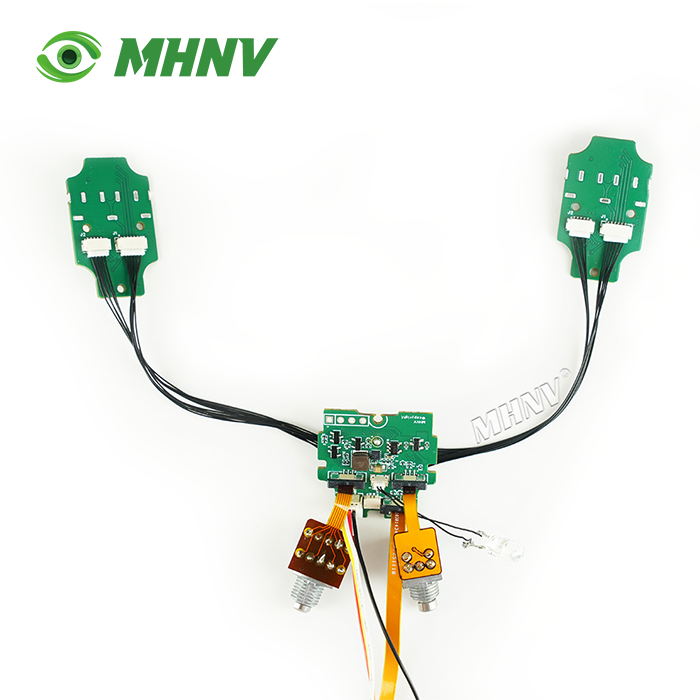
PVS 31 Night Vision PCB Board
MHNV® PVS 31 Night Vision PCB Board — Universal IIT-Compatible Dual-Battery Main Control Module for Professional PVS-31 Binocular OEM Integration
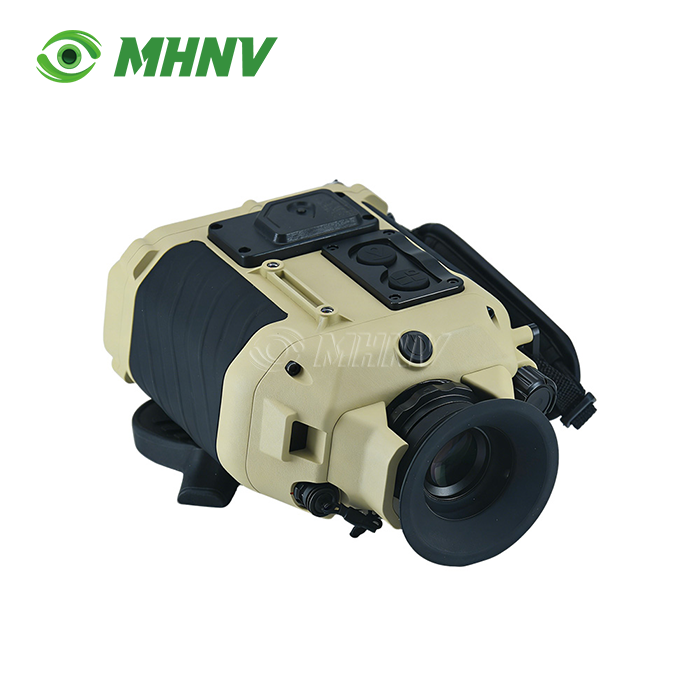
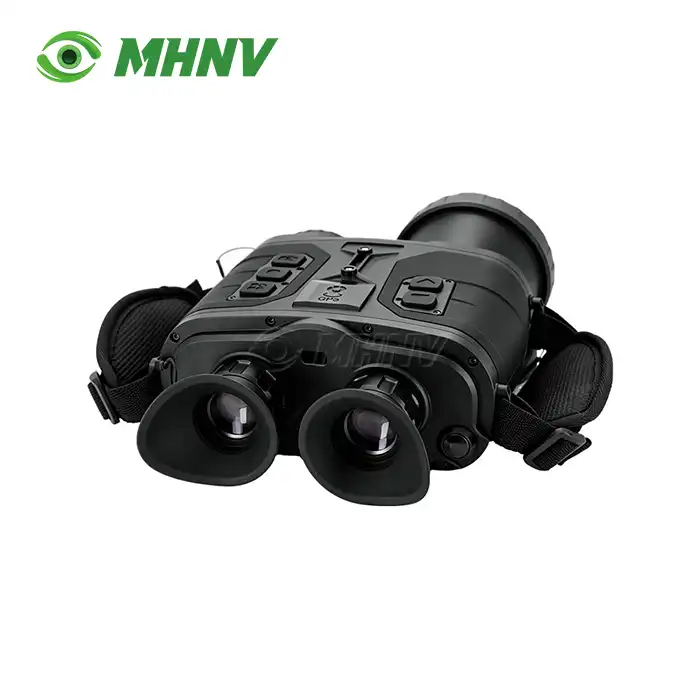
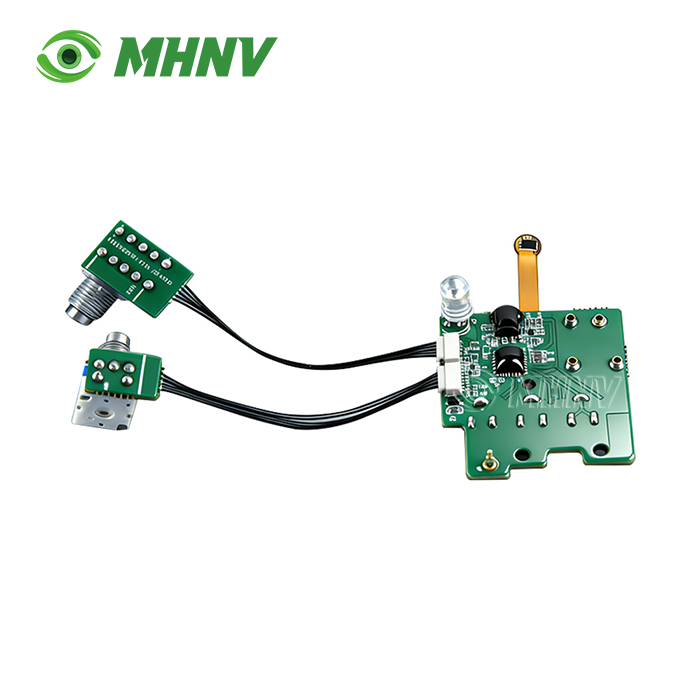
The MHNV® PVS 31 Night Vision PCB Board represents a breakthrough in professional night vision electronics engineering. Designed by Xi'an MH Electronics and Technology Co., Ltd., this main control module delivers universal image intensifier tube compatibility across 2-contact, 3-contact, and 3-wire interfaces within a compact 27.4 × 27.3 mm footprint. The board supports both AA and CR123 battery formats, achieving 30-hour runtime on CR123 and 20-hour runtime on AA in normal operation mode. With integrated 850 nm IR illumination, dual-threshold strong light protection at 120 lux and 200 lux trigger points, and per-barrel gravity-sensor standby, this electronics platform serves OEM integrators building professional-grade PVS-31-class binocular night vision systems for tactical observation, law enforcement, industrial inspection, and outdoor navigation markets.

Universal Image Intensifier Tube Compatibility Across Three Interface Standards
The product eliminates supply-chain lock-in through its universal tube interface architecture. One board accepts 2-contact fixed-gain tubes, 3-contact adjustable-gain tubes, and 3-wire adjustable-brightness tubes. This design flexibility allows your OEM production line to switch between Gen 2+ and Gen 3 tube suppliers based on availability, pricing, or project specifications without redesigning the electronics platform.
Legacy control boards supporting only one tube type force buyers into single-vendor dependency for the entire product lifecycle. MHNV® engineers eliminated this constraint by implementing adaptive bridge circuits and voltage regulation paths. The tube operating voltage range spans 2.2 V to 3.4 V with ±50 mV ripple control, ensuring stable phosphor screen illumination across all supported IIT formats.
Your engineering team gains procurement agility. Switch between MX10130, MX10160, MX11769, 16 mm 3-pin, or pigtail-type tubes as market conditions shift, while maintaining consistent end-product performance and board inventory simplification.
Dual-Battery Power Architecture with Extended Field Runtime
Power versatility defines modern operational requirements. The MHNV® board integrates dual-chemistry battery management supporting 1 × AA (rechargeable and non-rechargeable) and 1 × CR123 (rechargeable and non-rechargeable) formats within the same hardware platform.
Runtime performance reaches industry-leading benchmarks:
| Operating Mode | AA Battery | CR123 Battery | CR123 Rechargeable |
|---|---|---|---|
| Normal Mode | 20 hours | 30 hours | 18 hours |
| IR Mode | 19 hours | 28 hours | 16.5 hours |
| Power Consumption | 132 mW | 126 mW | — |
This dual-format capability serves diverse market segments. Supply chains preferring AA logistics benefit from global availability and disposable-cell simplicity. Professional operators requiring maximum energy density in minimal volume choose CR123 lithium cells for cold-weather performance and weight-critical helmet-mount applications.
The board includes reverse polarity protection preventing damage during field battery changes, low-battery threshold detection at 1.2 V for AA and 2.7 V for CR123, and yellow LED flash indication every 10 seconds when replacement becomes necessary. A 4-pin aviation connector accepts external battery box input with automatic fallback to internal cells when the external pack depletes.
Per-Barrel Gravity Sensor and Independent Flip-Standby Technology
Professional binocular night vision devices demand operational flexibility beyond simple on-off switching. The PVS 31 Night Vision PCB Board implements per-barrel gravity sensing with independent power management for each lens assembly.
When either barrel flips up beyond 90 degrees or rotates sideways past the standby threshold, that barrel enters standby mode while the opposite barrel continues full operation. This workflow supports real-world tactical tasks—armament reloading, radio operation, close-quarter documentation—where the operator temporarily flips one barrel aside without losing overall night vision capability.
The gravity sensor algorithm distinguishes between operational head positions and true standby angles. Looking up at elevated targets during normal helmet-mounted use does not trigger false standby shutdown. Only deliberate flip-up or flip-sideways rotation beyond the 90-degree threshold initiates power-down for that barrel.
Rest-state auto-standby activates after 100 seconds of no motion, conserving tube life and battery capacity during stationary observation or temporary equipment set-down. The system remembers the last active barrel configuration and restores it immediately upon motion detection.
OEM-Friendly Compact Architecture with Field-Upgrade Capability
Physical integration simplicity accelerates your product development. The main board measures just 27.4 × 27.3 mm, with the sub-board at 33.7 × 20.1 mm. This compact footprint fits any PVS-31 form-factor housing without mechanical redesign or custom enclosure tooling.
The board includes a reserved firmware upgrade interface. Your engineering team can update embedded software in the field for feature additions, performance tuning, or bug fixes without returning boards to the factory. This capability supports continuous product improvement throughout the device lifecycle.
A stepless manual gain button with press-to-select function consolidates brightness adjustment, function toggles, and menu navigation into one control. The true zero-drain OFF position eliminates parasitic current draw, reducing off-state consumption to less than 10 microamperes—preserving battery shelf life during long-term storage without requiring battery removal.
Environmental specifications meet professional field requirements:
| Parameter | Specification |
|---|---|
| Operating Temperature | -40°C to +60°C |
| Storage Temperature | -40°C to +70°C |
| MTBF | 5,000 hours |
| Service Life | ≥3 years |
| OFF-State Current | <10 µA |
| Voltage Ripple | ±50 mV |
Technical Specifications Summary
| Specification | Value |
|---|---|
| Model | MHNV MH-PVS31 PCB |
| Main Board Size | 27.4 mm × 27.3 mm |
| Sub-Board Size | 33.7 mm × 20.1 mm |
| IIT Compatibility | 2-contact, 3-contact, 3-wire |
| IIT Operating Voltage | 2.2 V – 3.4 V |
| Battery Support | AA, CR123, CR123 rechargeable |
| Switch Positions | OFF / ON / IR / AUTO |
| IR Wavelength | 850 nm |
| IR Effective Range | 20 m |
| Strong Light Threshold | 120 lux (1 min) / 200 lux (1 sec) |
| Auto-Standby Timer | 100 seconds no motion |
| Low Battery Alert | Yellow LED flash (10 sec interval) |

Dual-Threshold Strong Light Protection and Tube Life Extension
Image intensifier tubes remain vulnerable to permanent phosphor damage from sudden bright-light exposure. MHNV® engineers implemented dual-threshold strong light protection addressing both sustained and instantaneous exposure scenarios.
The protection circuit monitors ambient luminance continuously. At 120 lux sustained for 1 continuous minute, or 200 lux sustained for 1 continuous second, the board cuts tube power automatically. This dual-threshold design prevents false shutdowns from brief room-light activation while protecting against headlight glare, muzzle flash reflection, or accidental indoor use.
Extended tube service life represents measurable value. Industry-standard unprotected boards deliver approximately 5,000 operational hours before phosphor degradation becomes noticeable. The MHNV® strong light protection system extends expected tube life beyond 10,000 hours in real mixed-lighting use profiles, effectively doubling the return on your image intensifier tube investment.
Recovery happens automatically. When ambient light drops below the protection threshold, the board restores tube power without manual intervention, maintaining operational continuity during rapid light-to-dark transitions.
Integrated IR Illumination with Automatic Ambient Sensing
The board integrates an 850 nm infrared illuminator delivering 20 m effective range. Three activation modes serve different operational requirements:
Manual IR Mode: The four-position rotary switch (OFF / ON / IR / AUTO) includes a dedicated IR position for operator-commanded illumination regardless of ambient conditions.
AUTO Mode: The ambient light sensor activates IR illumination automatically below 1 lux and deactivates it above approximately 10 lux. This hands-free operation conserves battery during sufficient-ambient conditions while providing supplemental illumination in near-total darkness.
Selective Activation: The illuminator integrates onto the main control board, eliminating external IR torch requirements and reducing total system component count for your OEM assembly line.
Power consumption increases modestly in IR mode—from 132 mW to 142.5 mW on AA, and 126 mW to 135 mW on CR123—preserving the majority of normal-mode runtime even during continuous IR operation.
FAQ
Q: Will the product work with manual-gain and auto-gain image intensifier tubes from all manufacturers?
A: Yes, the MHNV® MH-PVS31 board has adaptive bridge circuits and voltage regulation channels to interface with 2-contact fixed-gain tubes, 3-contact adjustable-gain tubes and 3-wire adjustable-brightness tubes from any manufacturer. This universal compatibility extends to Gen 2+ and Gen 3 formats including MX10130, MX10160, MX11769, 16 mm 3-pin and pigtail-type interfaces. The board automatically compensates for voltage output in the 2.2 V to 3.4 V operating range with ±50 mV ripple control , providing stable phosphor screen performance , regardless of tube vendor . Your procurement team can swap vendors based on availability, lead time or project parameters without redesigning electronics or maintaining numerous board SKUs in inventory.
Q: How does the board prevent image ghosting and electronic noise artifacts visible through high-sensitivity image intensifier tubes?
A: The high-frequency decoupling capacitors are placed in suitable positions in the circuit to shunt off the electromagnetic interference before it reaches the power supply of the picture intensifier tube. The voltage ripple is limited to a maximum deviation of ±50 mV, avoiding the power-supply noise that can cause phosphor screen flickering or ghosting artefacts in high-gain Gen 3 tubes. The small 27.4 mm main board configuration minimises inductive noise pickup by minimising the trace length between the power regulation components and the tube connection locations. These engineering features provide clean and stable tube voltage even in quick brightness shifts or IR illumination activation, ensuring visual clarity over the whole operational range from starlight to moonlight situations.
Q: Does the board support the use of external battery packs for long duration observation missions?
A: Yes, the board has a 4 pin aviation connector for external battery box input. When an external pack is connected, the power management system automatically gives it priority for voltage, and then automatically switches to internal AA or CR123 cells when the external pack voltage falls below the operating threshold. The cascaded power design offers extended-mission profiles with runtime beyond the 20-hour AA or 30-hour CR123 internal capacity. The external input is compatible with standard voltage levels from remote 4-cell AA battery packs or rechargeable lithium packs, and maintains full board operation with IR illumination, high-light protection, and per-barrel standby operation during the transition between power sources.
Q: What mean time between failures may OEMs integrators hope to achieve when putting the board into professional-grade nite vision goggles?
A: The MHNV® MH-PVS31 board is designed to provide 5,000 hour MTBF when operated within -40°C to +60°C temperature range and with the assembly process in accordance with IPC guidelines for high reliability electronics. This reliability measure is based on routine field use including vibration exposure, humidity cycling, and temperature shock typical of professional observation equipment. Service life is >3 years under normal duty cycles of active monitoring and storage. The board is protected with reverse polarity protection, bright light protection and voltage control protections that prevent component deterioration from common field stressors enabling the multi-year operational lifecycles that professional end-users need from nite vision investment.
Q: Is there reverse polarity protection on the board to safeguard it from damage while changing the field battery in low light conditions?
A: Yes, it has reverse polarity protection as a basic safety feature. Incorrect battery insertion causes the protective circuit to limit power flow to sensitive image intensifier tube components and control electronics, protecting the board, tubes, and attached accessories from damage. The device will not turn on with reversed polarity giving the operator direct tactile indication that the battery orientation needs to be changed. The complete functioning is immediately restored when the batteries are correctly orientated, without the need for reset operations or latent damage. This protection is especially useful for nite operations where visual confirmation of battery alignment is difficult, and for cold weather missions where gloved hands diminish the precision of tactile battery alignment.

Partner with MHNV® for Your Night Vision Electronics Integration
Contact our team at sarah@mh-elec.com to discuss your PVS 31 Night Vision PCB Board project requirements and request samples.
YOU MAY LIKE