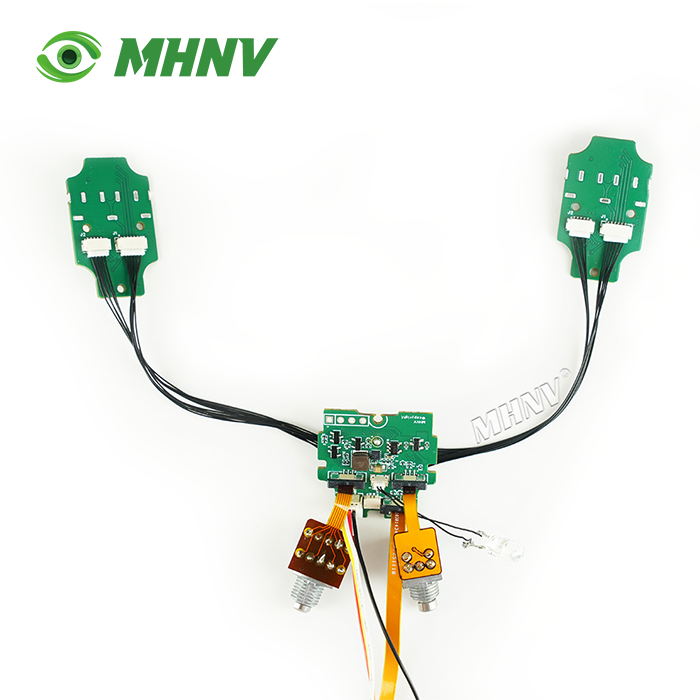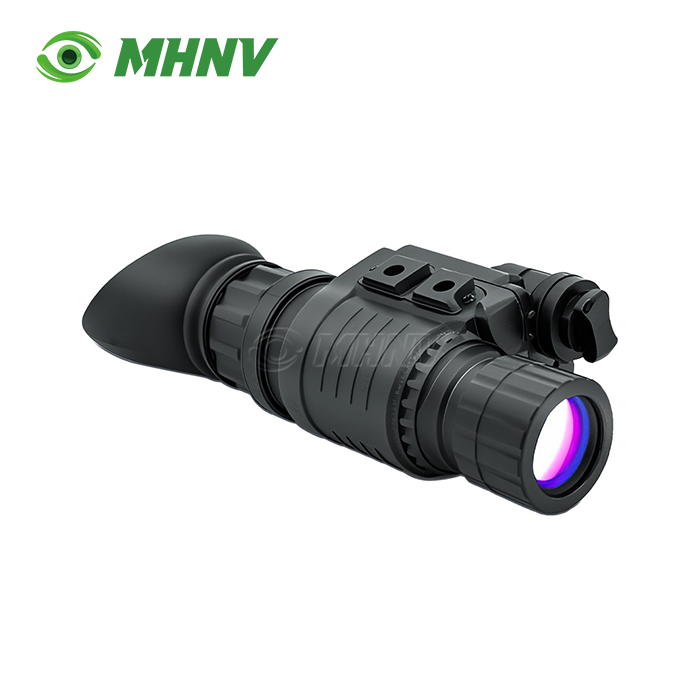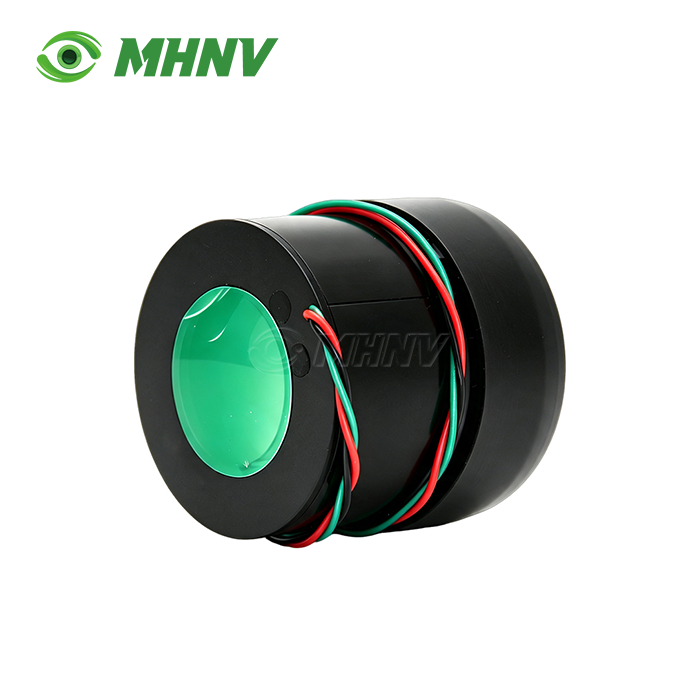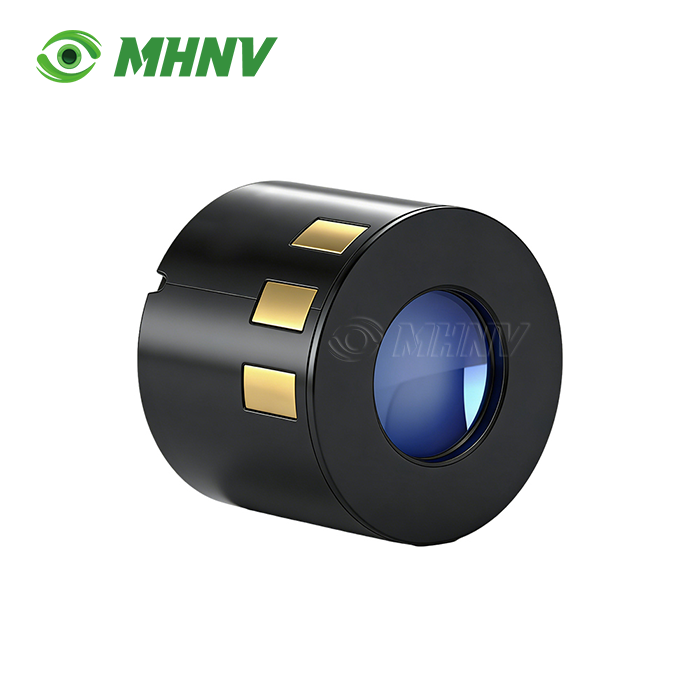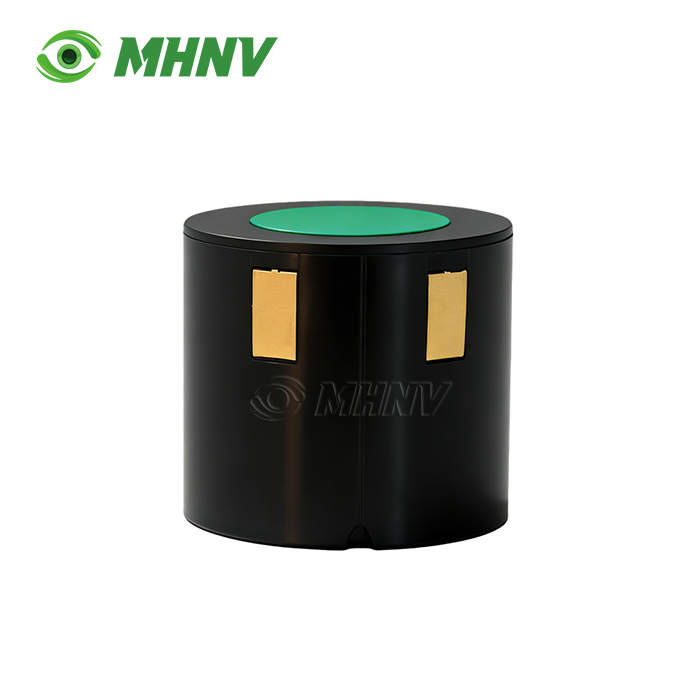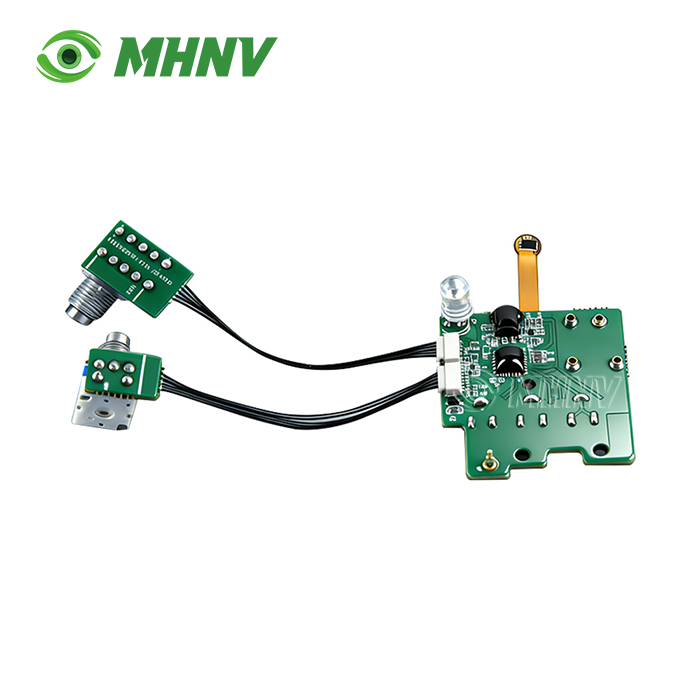
PVS 14 Night Vision Monocular PCB
High-Performance PVS 14 Night Vision Monocular PCB | Multi-Battery Compatibility & Advanced Power Management Solution
Night vision systems demand precision engineering at every level, especially within their electronic control centers. Xi'an MH Electronics And Technology Co., Ltd. (MHNV®) delivers enterprise-grade PVS 14 Night Vision Monocular PCB solutions engineered for professional-grade optical-electronic equipment. Our compact 37.2×32.1mm board achieves standby power consumption below 10µA while supporting five distinct Image Intensifier Tube (IIT) configurations—pigtail tubes, three-wire, two-wire, three-contact, and two-contact formats. With an MTBF of 5000 hours and operational temperature tolerance from -40℃ to +60℃, this product meets IPC-A-610 Class 3 standards for demanding outdoor observation and professional surveillance applications.
What Makes the PVS 14 Night Vision Monocular PCB Essential?
The product functions as the electronic command center within AN/PVS-14 systems, orchestrating sophisticated power management and signal processing. This specialized printed circuit board converts low-voltage battery input (1.5V to 3.0V) into precisely regulated currents required by Image Intensifier Tubes.
Engineers face critical challenges: voltage fluctuations causing image flicker, excessive battery drain in sub-zero conditions, and electromagnetic interference degrading tube performance. Our high-density interconnect (HDI) design integrates manual gain control (MGC) circuits and automatic brightness control (ABC) logic. The result? Reliable operation under extreme low-light conditions while protecting sensitive photocathodes from light overload.
Technical Specifications
Our product delivers measurable performance advantages through precision engineering:
| Parameter | Specification |
|---|---|
| PCB Dimensions | 37.2 × 32.1 mm |
| Standby Power Consumption | < 10µA |
| MTBF | 5000 hours |
| Operating Temperature | -40℃ to +60℃ |
| Storage Temperature | -40℃ to +70℃ |
| Compatible IIT Types | Pigtail / 3-wire / 2-wire / 3-contact / 2-contact tubes |
| Layer Configuration | 4-to-6 layer stack-up |
| Substrate Material | High-Tg FR-4 / Polyimide |
| Surface Finish | ENIG (Gold-plated pads) |
| Environmental Standard | MIL-STD-810G compliant |

Performance by Battery Type
Standard Model:
| Battery Type | Total Power Consumption | Working Time |
|---|---|---|
| AA Non-rechargeable | 57mW | 45 hours |
| AA Rechargeable | 60mW | 34 hours |
| CR123 Non-rechargeable | 48mW | 76 hours |
| CR123 Rechargeable | 46.8mW | 45 hours |
IR Illuminator Model:
| Battery Type | Total Power Consumption | Working Time |
|---|---|---|
| AA Non-rechargeable | 72mW | 35 hours |
| AA Rechargeable | 73.2mW | 28 hours |
| CR123 Non-rechargeable | 60mW | 60 hours |
| CR123 Rechargeable | 57.6mW | 38 hours |
Advanced Intelligent Features
Your operations require reliability without constant user intervention. Our board delivers automated systems that adapt to field conditions:
Smart Power Management:
Automatic standby activates when you flip up the monocular, resuming instantly upon flipping down. This configurable function extends battery life during intermittent use. After 100 seconds of idle status, the system enters standby mode automatically, conserving power during surveillance operations.
Adaptive IR Control:
The integrated IR illuminator operates in two modes: automatic activation in AT working mode and manual on/off control for tactical situations. This flexibility lets you balance detection range against operational security needs.
Protection Systems:
Strong light protection circuitry shields sensitive photocathodes from sudden brightness spikes. Brightness gain adjustment ensures optimal image quality across varying ambient light conditions. Low battery indicators provide advance warning, preventing unexpected shutdowns during critical operations.
Universal Battery Compatibility
Equipment flexibility matters in diverse operational environments. This PVS 14 Night Vision Monocular PCB accepts four battery configurations: non-rechargeable AA, rechargeable AA, non-rechargeable CR123, and rechargeable CR123 lithium batteries. Wide-input voltage regulators accommodate both 1.5V and 3V power sources without modification.
Application-Specific Engineering
Professional observation equipment demands exceptional reliability. Our boards serve specialized B2B sectors:
Law Enforcement & Search Operations:
Hand-held monocular integration provides 50+ hours of continuous operation for tracking in dense forests or urban environments. The PCB's efficient power regulation maintains consistent image quality throughout extended deployments.
Professional Wildlife Research:
Digital-analog hybrid systems benefit from our PCB's dual-channel management of both intensifier tubes and integrated IR illuminators. Zero-ambient-light scenarios require clear identification capabilities—our low-noise floor design maintains high Signal-to-Noise Ratios (SNR).
High-End Hunting Equipment:
Helmet-mounted system integration demands fail-safe power regulation during mechanical shocks up to 500g. Our board maintains signal integrity in humid or temperature-extreme conditions.
Quality Assurance Process
MHNV® implements rigorous quality control protocols focused on long-term field durability:
Inspection Procedures:
Automated Optical Inspection (AOI) and X-ray examination detect micro-fissures in solder joints. High-Voltage Insulation Testing validates safe Image Intensifier Tube operation without arcing. Thermal cycling and burn-in testing confirm component stability under rapid temperature shifts common in alpine or desert deployments.
Contamination Prevention:
Ionic contamination testing ensures boards remain free from residues causing electrochemical migration. Conformal coating verification checks UV-cured acrylic or silicone coating thickness, protecting PCBs from moisture and fungal growth in tropical climates.

FAQ
Q: How does the PCB achieve such low standby power consumption while maintaining instant-on capability?
A: Our advanced power management architecture utilizes ultra-low quenemce current regulators combined with hardware-based wake interrupts that monitor the flip sensor state, allowing the main microcontroller to remain in deep sleep mode drawing less than 10µA while maintaining millisecond-level response to activation events, effectively eliminating the traditional trade-off between standby efficiency and system responsiveness in professional observation equipment.
Q: What specific mechanisms prevent EMI from degrading Image Intensifier Tube performance?
A: The board employs 360-degree copper shielding planes on internal layers combined with strategic placement of high-frequency decoupling capacitors adjacent to switching regulators, creating localized low-impedance paths for transient currents that suppress high-frequency noise manifesting as visual artifacts, while controlled impedance traces prevent signal reflection that could introduce interference patterns into the sensitive photocathode drive circuitry.
Q: Can this PCB accommodate both Green Phosphor and White Phosphor tube variants without modification?
A: Yes, our design focuses on delivering precise voltage and current parameters required by the tube's power supply unit rather than phosphor-specific characteristics, since phosphor color affects only the output spectrum wavelength and not the electrical drive requirements, making the PCB fully compatible with both phosphor types as well as future variants without hardware changes or firmware updates.
Q: How does automatic brightness control function differ from manual gain adjustment?
A: Automatic brightness control (ABC) utilizes a feedback photodiode monitoring output luminance to dynamically adjust tube voltage via closed-loop pulse-width modulation, maintaining consistent brightness across changing ambient light conditions, while manual gain control (MGC) provides user-operated potentiometer adjustment for tactical situations requiring fixed brightness levels regardless of environmental changes, with our PCB supporting simultaneous implementation of both control schemes.
Q: What causes premature failure in competitor PCB designs, and how does MHNV® address these issues?
A: Most failures originate from three sources: battery leakage corrosion penetrating inadequate conformal coatings, electrolytic capacitor degradation from temperature cycling, and solder joint fatigue from mechanical shock, which we specifically address through enhanced coating thickness specification, exclusive use of high-grade solid polymer capacitors rated for 10,000+ hours at maximum operating temperature, and optimized pad geometry distributing mechanical stress across larger surface areas.

Partner with MHNV® for Your Night Vision PCB Needs
Contact our technical team at sarah@mh-elec.com to discuss your PVS 14 Night Vision Monocular PCB specific requirements and request detailed engineering specifications.
YOU MAY LIKE