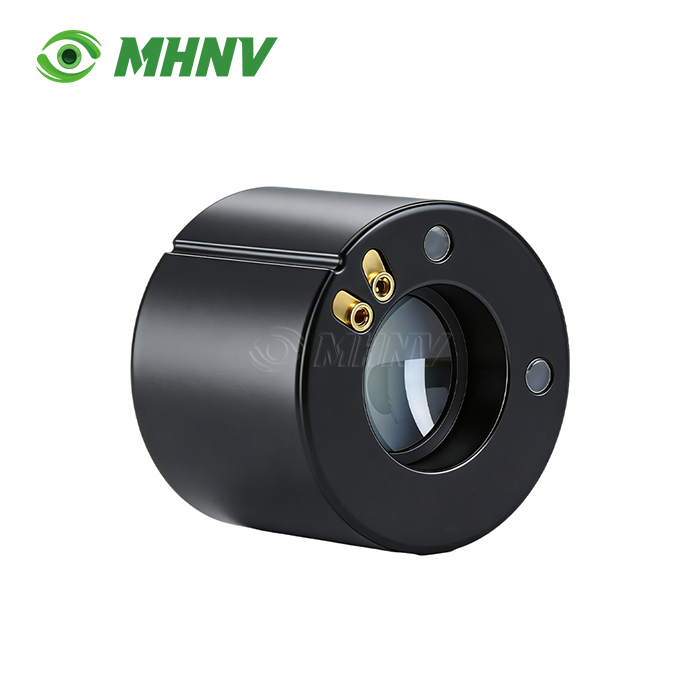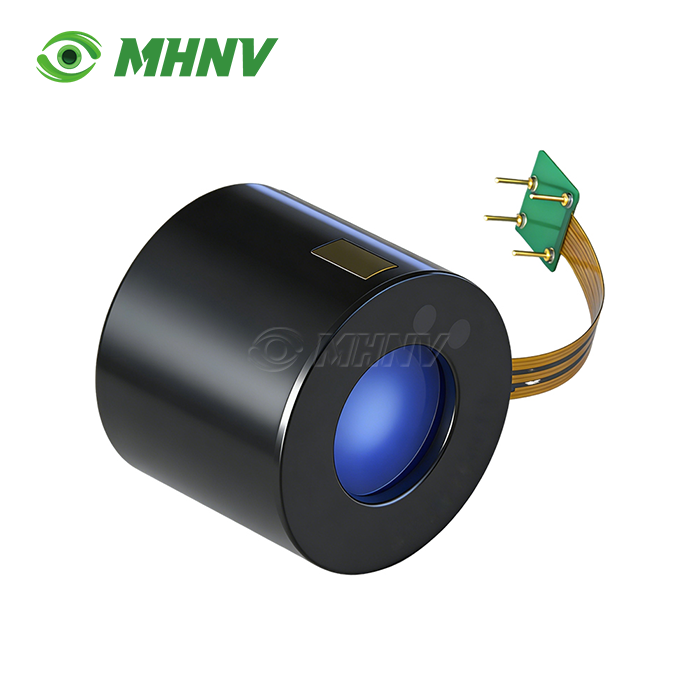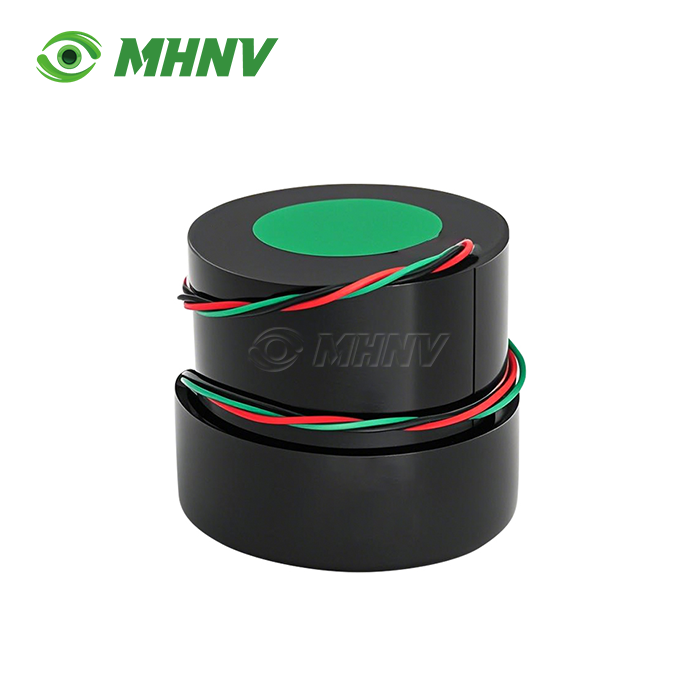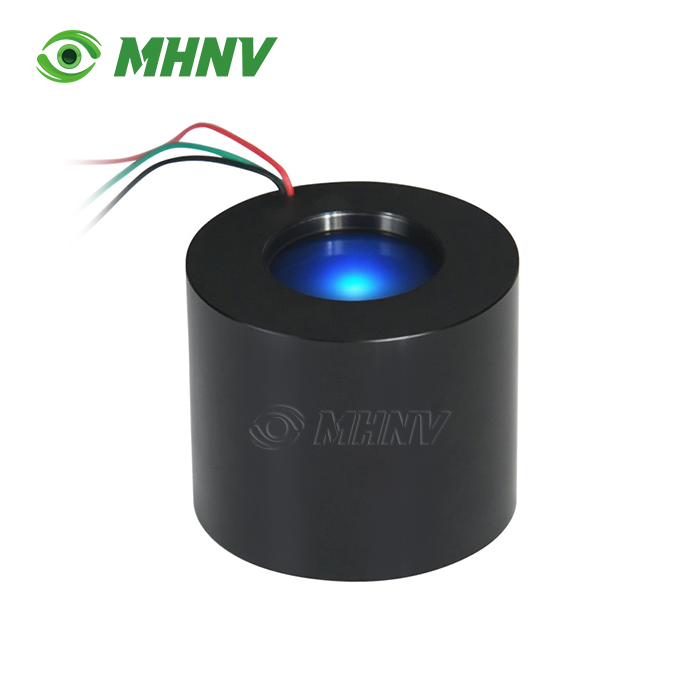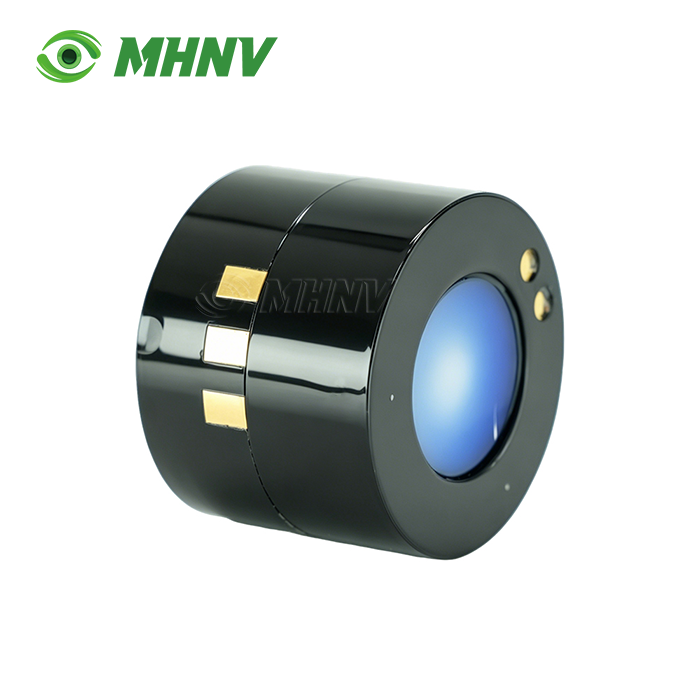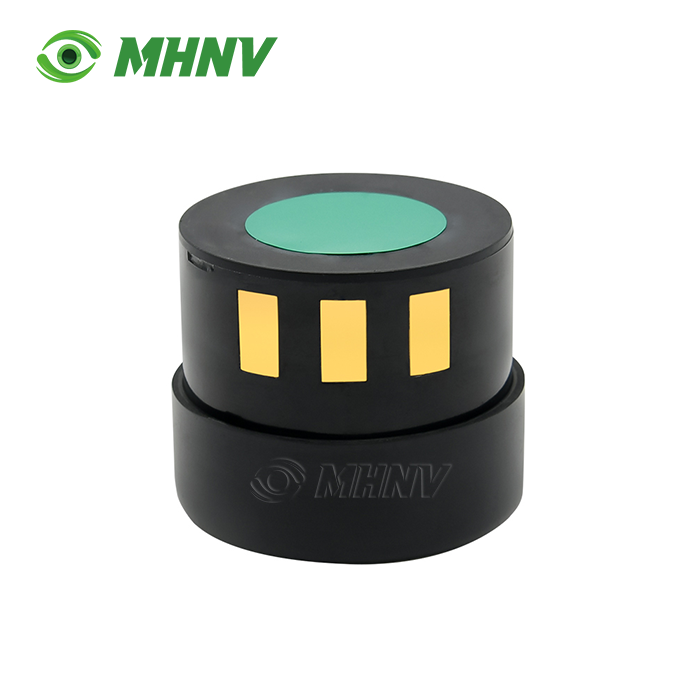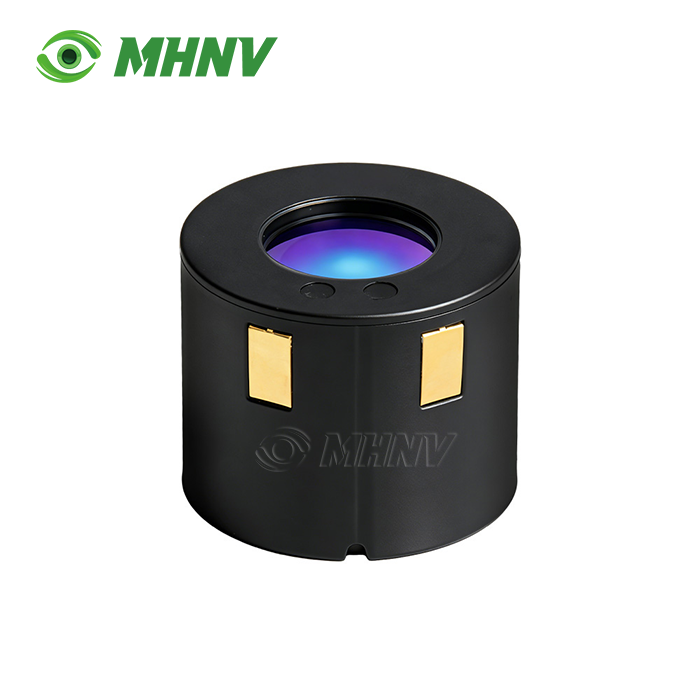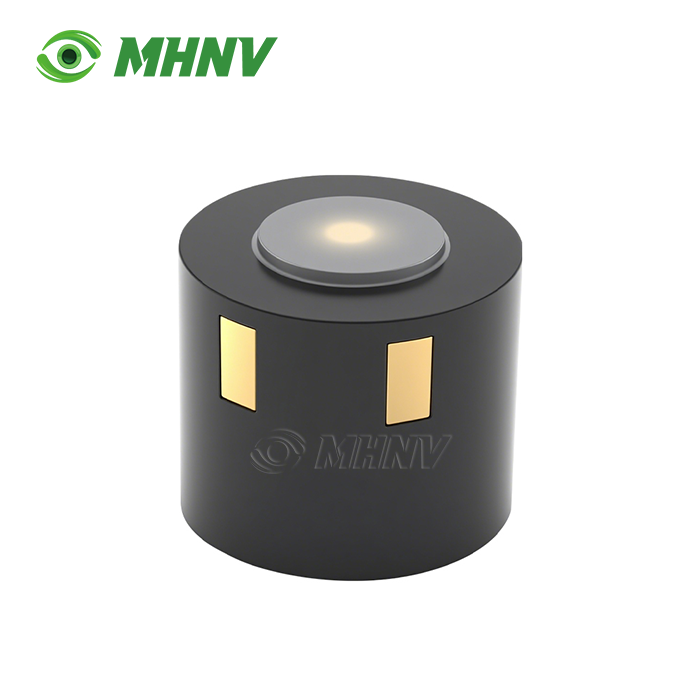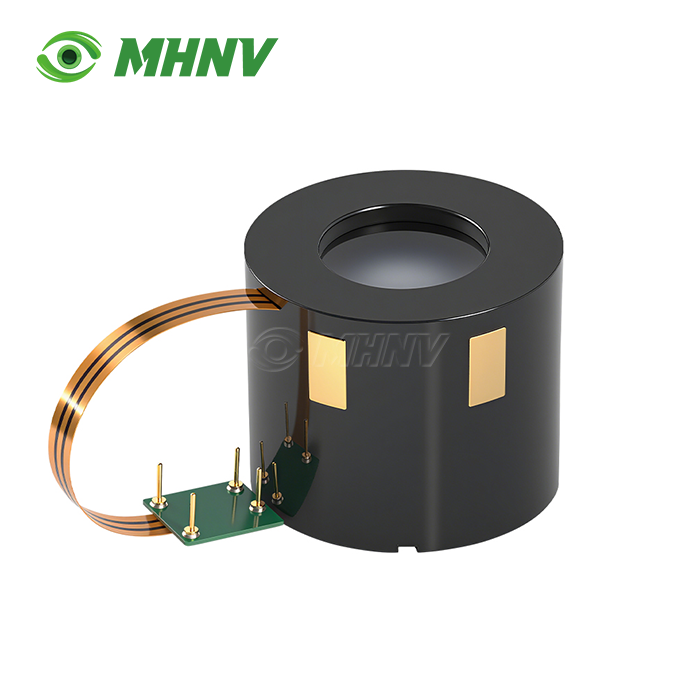
MX11769 Image Intensifier Tube
MX11769 Image Intensifier Tube | High-Performance Gen 3 Night Vision Solution with Auto-Gating & Manual Gain Control
The MX11769 Image Intensifier Tube represents advanced Gen 3 electro-optical technology engineered for demanding low-light observation applications. Manufactured by Xi'an MH Electronics And Technology Co., Ltd. (MHNV®), this 18mm format tube integrates high-efficiency Gallium Arsenide (GaAs) photocathodes, delivering FOM ratings from 1600 to 2400+ with exceptional Signal-to-Noise Ratio (SNR) performance of 22-32+. Unlike fixed-gain models, the product features an external pigtail control wire enabling real-time brightness adjustment from 50 fL/fL to 3000+ fL/fL, addressing operator eye strain during extended surveillance. Auto-gating power supply technology protects against sudden light exposure while maintaining resolution clarity. Available in P45 white phosphor and P43 green phosphor configurations, each unit undergoes MIL-PRF-49427 compliance testing with resolution verification at 64-72 lp/mm and EBI measurement ≤0.25.
Advanced Night Vision Performance Features
The product solves critical operational challenges through three core innovations. First, the external pigtail delivers manual gain control, allowing users to reduce luminous output in urban environments with ambient light pollution while preserving natural night adaptation in the non-aided eye. Second, integrated auto-gating circuitry responds within microseconds to high-intensity light sources, preventing tube damage and image washout during tactical transitions.
Third, high-efficiency GaAs photocathodes extend spectral sensitivity beyond 900nm wavelength, enabling detection of infrared illuminators and subtle thermal signatures invisible to Gen 2+ systems. Resolution testing confirms 64-72 line pairs per millimeter across the full field of view. Halo diameter remains constrained to 0.7-1.0mm maximum around point light sources.
Mean Time To Failure (MTTF) ratings exceed 10,000 operational hours under standard duty cycles. Temperature stability maintains performance from -51°C to +49°C without image degradation. Shock resistance testing validates 75G+ survivability for armament-mounted applications.
Technical Specifications
| Parameter | Specification |
|---|---|
| Model Standard | MX-11769 |
| Generation | Gen 3 (GaAs) / Gen 2+ High-Performance |
| Tube Diameter | 18 mm |
| Gain Control | External Pigtail (Manual Gain Control) |
| Power Supply | Auto-Gating Integrated |
| Phosphor Type | P45 (White) / P43 (Green) |
| Photocathode Material | Gallium Arsenide (GaAs) |
| Resolution | 64-72 lp/mm |
| Signal-to-Noise Ratio | 22-32+ |
| Figure of Merit (FOM) | 1600 - 2400+ |
| Equivalent Background Illumination | ≤0.25 µA/lm |
| Luminous Gain | 8000-20000 (Adjustable) |
| Output Window | Inverting Spherical Fiber-Optic |
| Mean Time To Failure | 10,000+ Hours |
| Operating Temperature | -51°C to +49°C |
| Shock Resistance | 75G+ |
| Compliance Standards | CE, RoHS, ISO9001, FCC, MIL-PRF-49427 |

Why Choose MHNV® MX11769 Tubes?
Next-Generation Clarity: Our 18mm Gen 3 tubes deliver superior image quality through precision-engineered GaAs photocathodes and inverting fiber-optic output windows optimized for PVS-14 and F5032 systems. Every tube undergoes zone-specific dark spot analysis ensuring Zone 1 center clarity meets non-permissible inclusion standards.
Smart Light Adaptation: Auto-gating technology instantly compensates for high-light conditions and urban light pollution. The system prevents blooming while maintaining continuous night vision capability during rapid environmental transitions from total darkness to streetlamp exposure.
User-Adjustable Brightness: The external pigtail control wire enables operators to fine-tune luminance levels in real time. This reduces eye strain during prolonged observation missions while preserving optimal target detection clarity across varying ambient conditions.
Extensive Configuration Options: Select from white phosphor (P45) for enhanced contrast and reduced eye fatigue, or traditional green phosphor (P43) for maximum light amplification. Choose FOM grades from 1600 to 2400+ matching your specific operational requirements and budget constraints.
Manufacturing Excellence: MHNV® operates Class-10,000 cleanrooms for tube calibration and integration. Our vertically integrated facility controls every production stage from optical design through final environmental stress screening, ensuring consistent quality across volume orders.

Quality Assurance & Testing Protocol
Each MX11769 Image Intensifier Tube undergoes comprehensive inspection before shipment. Our testing protocol validates five critical performance parameters through specialized metrology equipment.
Dark Spot Analysis: High-magnification inspection identifies and measures all photocathode inclusions. Zone 1 center area must contain zero non-permissible spots. Zones 2 and 3 peripheral areas are evaluated against MIL-SPEC spot chart tolerances.
Photocathode Response: Microampere per lumen (µA/lm) testing verifies light conversion efficiency meets GaAs specification minimums. This measurement directly correlates to low-light detection capability in starlight conditions below 10^-4 lux.
Halo Diameter Measurement: Point-source testing quantifies bloom characteristics around bright light emitters. Maximum halo diameter is constrained to 0.7-1.0mm, ensuring minimal image distortion during observation of vehicle headlights or building lights.
Gain Linearity Verification: The external potentiometer control is tested through its full adjustment range. Voltage variation must produce smooth, flicker-free brightness changes without dead zones or sudden jumps in luminous output.
Environmental Stress Screening: Temperature cycling between -51°C and +49°C validates thermal stability. Vibration testing simulates field deployment conditions. Humidity resistance confirms performance in tropical and maritime environments.
Application Environments
The MX11769 finds application across three primary operational categories requiring superior low-light performance and brightness control.
Tactical Observation Systems: Integrated into monocular platforms for reconnaissance missions requiring extended observation periods. Manual gain control prevents washout in partially illuminated areas while maintaining natural night adaptation in the unaided eye for peripheral threat awareness.
Law Enforcement Surveillance: SWAT teams utilize auto-gating capability during complex indoor-outdoor transitions. The system protects tube longevity when encountering flashlights or streetlamps while maintaining image clarity for suspect identification and threat assessment.
Professional Navigation Equipment: Maritime and desert navigation applications benefit from high SNR performance enabling detection of subtle topographical features. Target identification capability exceeds 300 meters under total darkness conditions with starlight illumination only.

Customization & OEM Services
MHNV® provides comprehensive customization across multiple product layers for system integrators and equipment manufacturers.
Tube Configuration: Select phosphor color (P45 white or P43 green), FOM grade tier, and gain range optimization. Power supply integration accommodates various voltage inputs and mounting configurations for different housing designs.
Optical Integration: Our engineering team assists with objective lens pairing, eyepiece design, and magnification optimization. MTF simulation ensures compatibility with your specific field-of-view requirements and focal length specifications.
Testing Documentation: Each shipment includes serialized QC data sheets with measured FOM, SNR, resolution, halo diameter, and EBI values. Additional certification documentation supports regulatory compliance in target markets.
Global Delivery & Support
MHNV® maintains ready-stock inventory for immediate shipment within 3-7 working days for standard configurations. Custom FOM selections and bulk orders require 15-30 days production scheduling. We partner with DHL, FedEx, and UPS for door-to-door international delivery to over 60 countries.
Technical support includes pre-sales consultation, installation guidance, and performance benchmarking services. Our multilingual team provides assistance in English, Russian, Arabic, French, and Spanish. Volume pricing and OEM project protection through NDA agreements are available for qualified partners.
FAQ
Q: What is the difference between the MX11769 and the MX10160 in terms of practical applications?
A: The product features an external pigtail ribbon for manual gain control, which enables the operator to vary the brightness of the image in real time as a function of ambient light conditions. The MX10160 has only automatic gain control with no user adjustment, and is thus more suitable for dual-tube goggle systems such as AN/PVS-7 where synchronised brightness is more important than individual control. The manual adjustment of the MX11769 is especially helpful in urban operations where quickly changing light conditions necessitate immediate brightness compensation to reduce eye fatigue and maintain natural nite adaption. Both devices have comparable resolution standards and employ comparable Gen 3 GaAs photocathode technology, however the pigtail control wire provides operational flexibility for monocular applications where the operator retains one unaided eye.
Q: Can I convert an MX11769 to fixed-gain configuration if the pigtail becomes damaged?
A: Yes. It is technically possible to convert the manual gain control to a fixed-gain operation by removing the pigtail connector and installing a fixed-value resistor that corresponds to your desired level of luminous gain. However, this modification requires specialised technical knowledge of the nite vision power supply circuitry and access to the calibration equipment used to verify gain. If the pigtail ribbon is cut in field use, the tube will often return to maximum gain setting until the power source is replaced or repaired. Note that any unauthorised alterations to the tube assembly or power supply integration may violate manufacturer warranties and may harm the photocathode if the wrong resistor values result in voltage spikes. In the event of broken pigtails, we recommend contacting MHNV® technical support at sarah@mh-elec.com for authorised repair techniques, rather than field modifications.
Q: How does phosphor color selection impact operational performance?
A: The white phosphor (P45) tubes offer better contrast discrimination and less eye strain for long observation periods because the neutral colour temperature is closer to natural daylight vision, allowing the operator to more quickly transition between aided and unaided vision, but the traditional green phosphor (P43) provides slightly more luminous gain in very dark environments below 10^-4 lux illumination levels. Many users say white phosphor is better for depth perception and reading topography, which is really useful for navigation and driving. For applications where maximum light amplification is necessary or for applications that need to be compatible with existing training methods, green phosphor is still the preferable choice. Both phosphor variants employ the same GaAs photocathodes and have the same resolution and SNR standards, therefore the choice is more a matter of user preference and operating illumination circumstances than basic performance differences.
Q: What is the expected operational lifespan before performance degradation occurs?
A: A product with proper auto-gating protection will meet manufacturer specifications for 10,000 to 15,000 operational hours before measurable photocathode sensitivity decline becomes apparent. This is equivalent to approximately 5-7 years of normal professional use at 6 hours per nite under standard duty cycles. Luminous gain loss is often a gradual not rapid phenomenon . Most tubes retain 80 % of initial sensitivity after rated life . Factors that accelerate degradation include long-term exposure to intense light levels without sufficient gating protection, operation beyond the permitted temperature ranges, and physical trauma beyond design requirements. Our tubes incorporate ion barrier layers that block positive ion feedback damage, giving them a much longer useful life than the traditional Gen 2 technology. Each item is supplied with manufacturing date codes for proper age tracking for maintenance planning.
Q: Are your tubes compliant with international export requirements?
A: All products manufactured by MHNV® comply with CE, RoHS, FCC, and ISO9001:2015 quality management standards, with complete testing documentation available for customs clearance procedures. With every shipment we supply Commercial Invoice, Packing List, Certificate of Origin and appropriate compliance certificates. We assist with end-user paperwork needs for specific destination countries and collaborate with your logistics provider for the correct export classification. Our quality control laboratory is traceable to international standard. Further testing reports can be provided upon request for regulatory submissions. Export limitations differ by country of destination and end-use. We recommend that you discuss your unique needs with our sales team to ensure you have the correct paperwork in place before placing purchases.
Contact Our Night Vision Specialists
Ready to integrate superior night vision performance into your systems? Email our team at sarah@mh-elec.com to discuss your MX11769 Image Intensifier Tube requirements.
YOU MAY LIKE