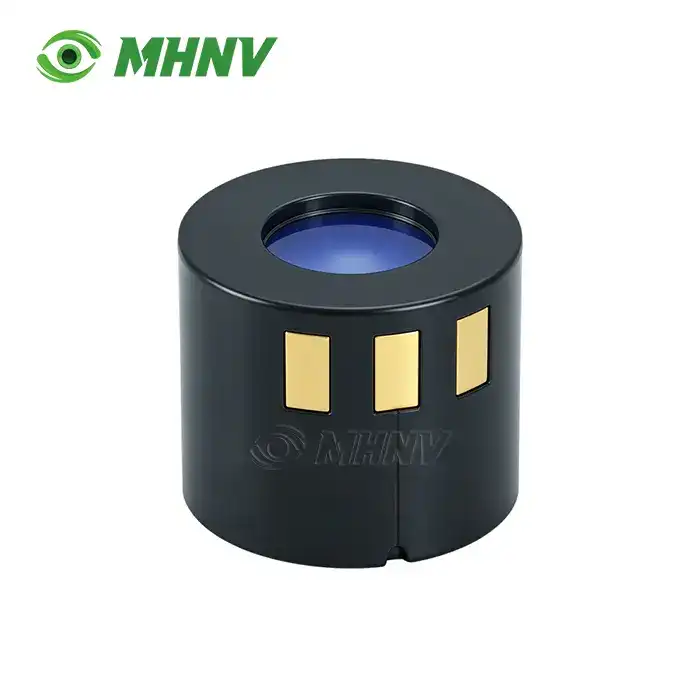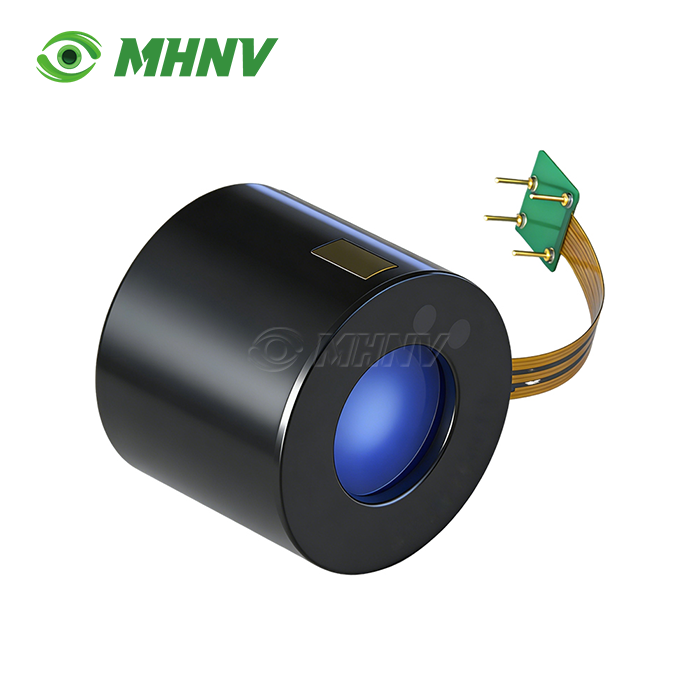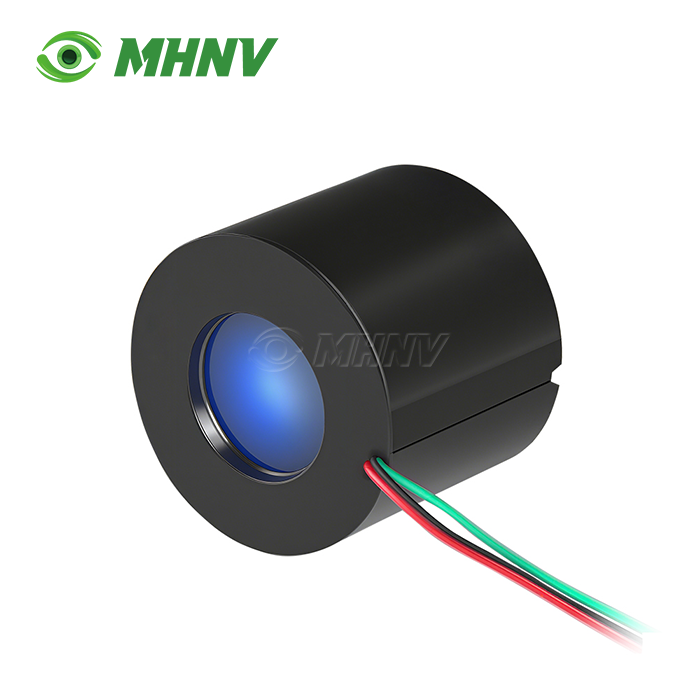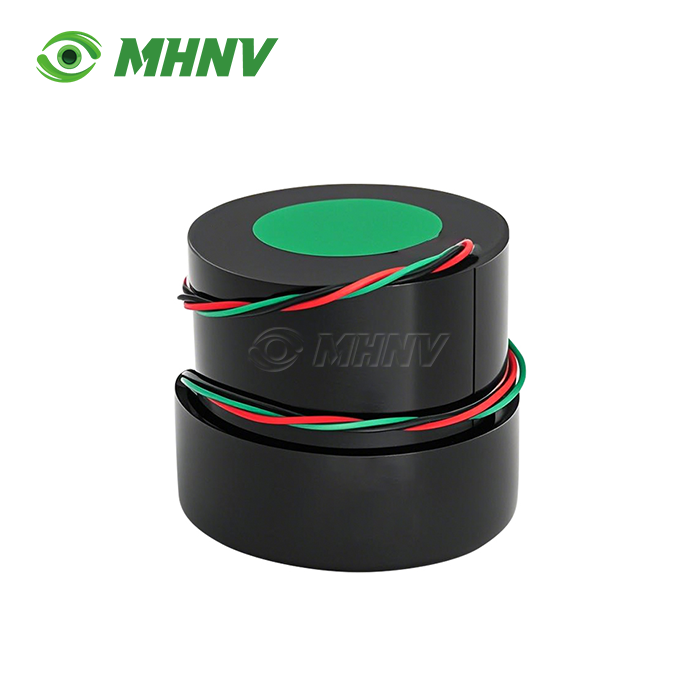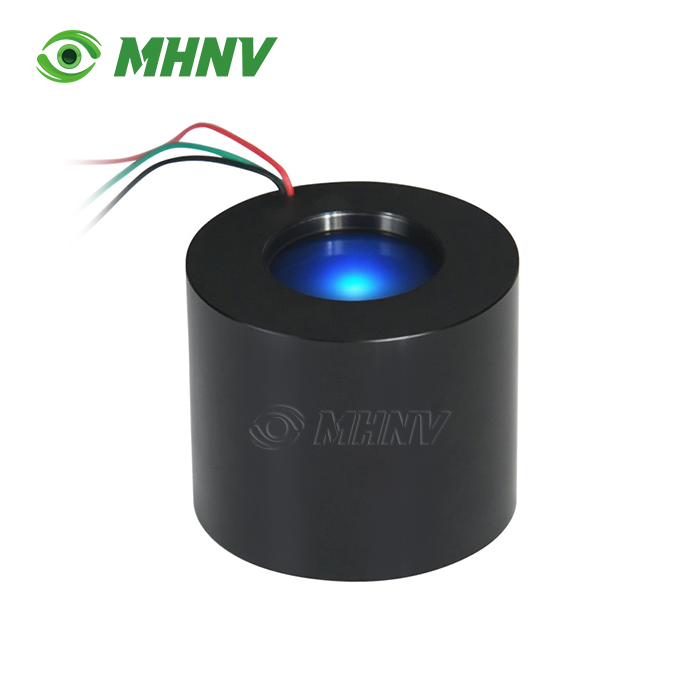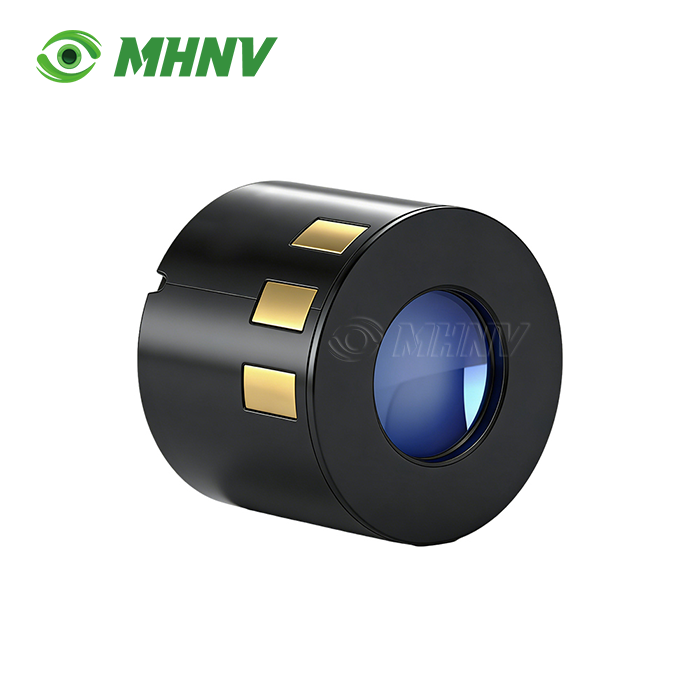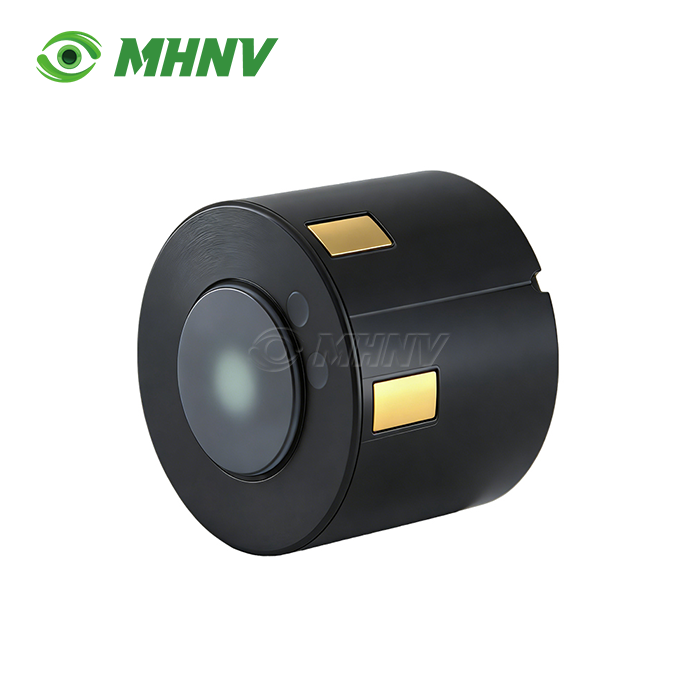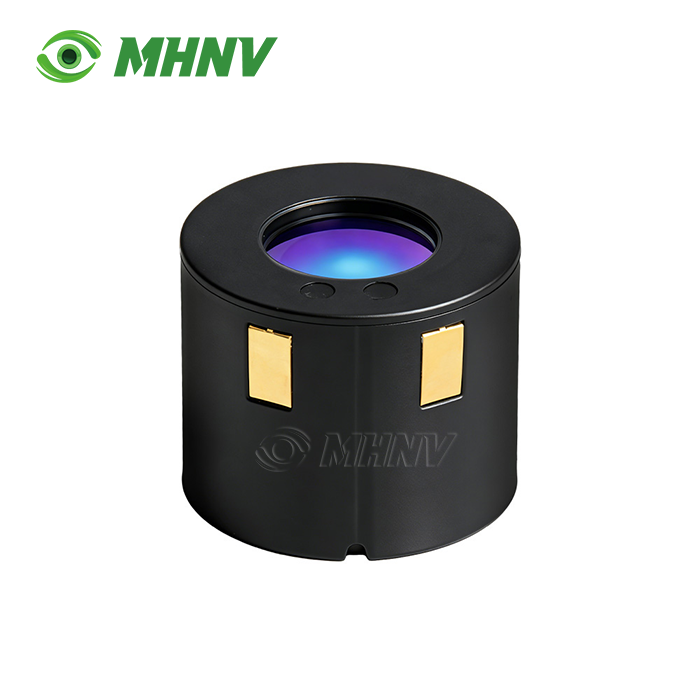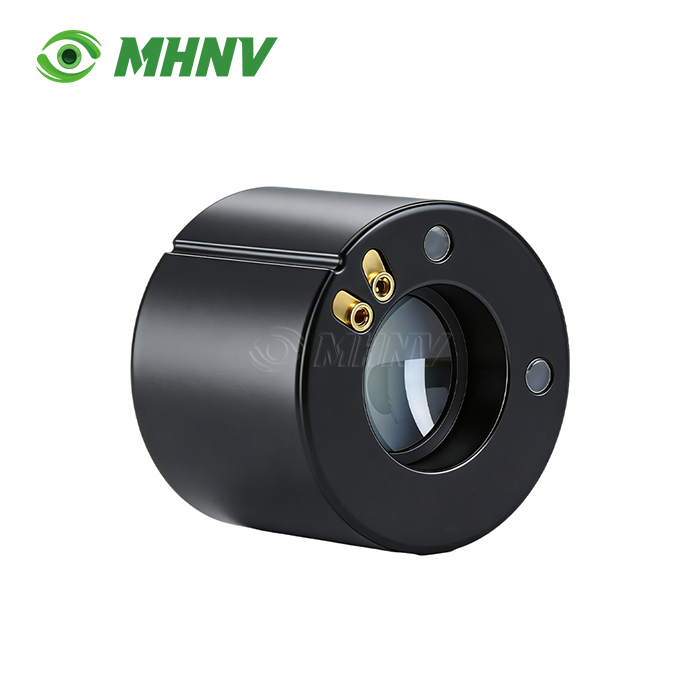
MX10130 Image Intensifier Tube
MX10130 Image Intensifier Tube | Gen 2+/Gen 3 High-Performance Solution for Professional Night Vision Systems
The MX10130 Image Intensifier Tube represents a proven 18mm proximity-focused, non-inverting vacuum imaging technology engineered specifically for bi-ocular night vision platforms including AN/PVS-7 systems and compatible optical devices. Operating across the visible to near-infrared spectrum, this tube converts ambient photons into amplified electrons through an advanced photocathode and microchannel plate (MCP) assembly, delivering reliable low-light imaging in environments below 10⁻³ lux. MHNV® manufactures both Gen 2+ and Gen 3 variants of the product with FOM ratings spanning 1600 to 2400+, SNR performance from 22 to 32+, and resolution specifications of 64–72 lp/mm, ensuring precision-matched solutions for professional surveillance, law enforcement, hunting, and industrial inspection applications worldwide.
Technical Specifications
| Parameter | Specification |
|---|---|
| Model Standard | MX-10130 |
| Generation | Gen 2+ / Gen 3 |
| Tube Diameter | 18 mm (Standard Interface) |
| Phosphor Type | P45 (White Phosphor) / P43 (Green Phosphor) |
| Photocathode | Na₂KSb(Cs) / GaAs |
| Resolution | 64–72 lp/mm |
| Signal-to-Noise Ratio (SNR) | 22–32+ |
| Figure of Merit (FOM) | 1600–2400+ (Tiered Selection) |
| Equivalent Background Illumination (EBI) | ≤0.25 |
| Luminous Gain | 8,000–20,000 (Adjustable) |
| Output Window | Inverting Spherical |
| Mean Time to Failure (MTTF) | 10,000+ Hours |
| Power Supply | Auto-Gating (Integrated) |
| Certification | CE, RoHS, ISO 9001:2015, FCC |

Why the MX10130 Format Leads in Bi-Ocular Night Vision?
The product delivers industry-standard compatibility across numerous platforms. Its 18mm diameter and non-inverting optical design integrate seamlessly with AN/PVS-7 housings and select armament sights. This mature architecture ensures abundant spare parts availability and simplified maintenance protocols.
Rated for 12,000 hours of continuous operation, the tube provides extended service life that reduces total ownership costs. You benefit from long-term tactical readiness without frequent replacement cycles.
Flexible performance grading allows precise capability matching. MHNV® offers multiple tiers based on verified SNR, resolution, and blemish specifications, enabling you to align performance requirements with budget constraints without overpaying for unnecessary features.
Advanced Photocathode Technology for Superior Low-Light Performance
Gen 3 variations use Gallium Arsenide (GaAs) photocathodes that provide excellent spectrum sensitivity in the 600 – 900 nm region. This chemical offers improved quantum efficiency compared to multi-alkali options in the presence of starlight and moonlight.
Gen 2+ versions use Na2KSb(Cs) multi-alkali photocathodes providing a cost-effective performance for situations where severe low-light sensitivity is not required. Both versions include auto-gating circuits to regulate the power supply voltage, for optimum resolution and contrast in a variety of ambient light settings and longer tube life.
An automatic brightness control (ABC) and bright-source protection (BSP) system are included to safeguard the photocathode from harm in the case of a rapid exposure to artificial lighting or vehicle headlights. These protections facilitate continuity of operations in urban patrolling or mixed-environment surveillance duties.
Rigorous Quality Assurance and Complete Testing Documentation
Every MX10130 Image Intensifier Tube undergoes comprehensive verification aligned with MIL-STD-810 environmental requirements. Testing protocols include:
- Equivalent Background Illumination (EBI): Verifies minimal internal glow at elevated temperatures
- Halo Diameter Measurement: Confirms light source halo remains under 0.85 mm for urban operations
- Spot Pattern Analysis: Ensures black spots and inclusions comply with Zone 1/2/3 tolerances
- Modulation Transfer Function (MTF): Validates contrast performance at specific spatial frequencies
- Burn-in and Life Testing: Confirms retention of minimum 50% brightness after 10,000 operating hours
MHNV® provides each tube with an individual serialized test data sheet documenting SNR, resolution, EBI, halo, and photosensitive response values. This complete traceability ensures verifiable performance and facilitates quality audits.
Full-Stack Manufacturing Control from Optical Design to Final Assembly
MHNV® is not a trade company, thanks to a comprehensive engineering and production system covering optical design, tube integration, electrical hardware, FPGA processing, embedded software, mechanical design, precision assembly and environmental testing. This vertical integration allows for speedier customisation cycles and direct engineer-to-customer communication.
Class-10,000 cleanroom facilities ensure that tubes are calibrated and assembled without contamination. The SMT production lines integrate electronic components and the expert metrology laboratories provide dimensions verification and optical performance certification.
OEM and ODM Customization Capabilities
MHNV® supports comprehensive customization across multiple product layers:
Tube Configuration: Phosphor color selection (P43 green / P45 white), performance tier optimization, and power supply integration tailored to your device housing.
Optical Customization: Magnification adjustment, field-of-view optimization, focal length design, and anti-reflective coating selection for specific operational wavelengths.
Firmware Development: User interface language localization, gain curve adjustment for regional light conditions, and video overlay customization.
Mechanical Design: Housing redesign, material selection (aluminum alloy, magnesium alloy, polymer composites), logo placement, and IP-rated environmental protection.

FAQ
Q: What is it that makes the MX10130 format non-inverting and how is this different from other tubes?
A: The MX10130 has a non-inverting optical architecture for use with bi-ocular systems where the host device housing (such AN/PVS-7) inverts the image by its optical route. This results in a more compact tube form factor than inverting devices such as the MX10160 or MX11769 which utilise internal fiber-optic inverters. The non-inverting architecture decreases light loss inside the device and facilitates the integration into a dual-eyepiece assembly, which results in weight reduction and better optical transmission efficiency for bi-ocular depth perception.
Q: Can you explain how auto-gating technology can prolong the tube life and enhance image quality?
A: Auto-gating automatically adjusts the microchannel plate voltage to ambient light variations to avoid saturation of the photocathode in case of fast brightness changes, while still keeping the best electron gain in the low-light regime. This dynamic voltage regulation prevents continuous high-current operation, minimising phosphor screen degradation and extending the MTTF to more than 10,000 hours. Also, auto-gating removes blooming artefacts around bright point sources and ensures consistent resolution over the complete operational light range, providing tactical reliability in transitions from urban to rural areas.
Q: Is the MX10130 tube interchangeable for PVS-14 monocular systems?
A: The MX10130 is not physically or optically compatible with PVS-14 monoculars, they are designed very different. PVS-14 systems use inverting tubes (MX11769 or MX10160 format) to get correctly orientated pictures through the single eyepiece lenses. The MX10130 has a non-inverting output which would provide upside down images in PVS-14 housings. Mechanical installation is impossible due to additional variations in mounting flange diameters and electrical interface specifications between formats. Always check that the tube format is compatible with your individual device housing before buying.
Q: Why do honeycomb patterns appear in nite vision photos and how are they minimised?
A: Honeycomb patterns are due to the hexagonal pore structure of the microchannel plate and manifest as a fixed-pattern noise when the light is saturated to a very high level or while observing brilliant uniform surfaces. Optimisation of multi-alkali photocathode and coating of ion-barrier layer that decreases the visibility of this artefact is applied to high-quality MX10130 tubes. MHNV® uses proprietary MCP selection criteria based on open area ratio and pore homogeneity, and optimised phosphor screen deposition to minimise honeycomb visibility at typical operational light levels while preserving maximum resolution and gain performance.
Q: How can authenticity of MIL-SPEC MX10130 tubes be verified?
A: On real tubes the housing is permanently laser-etched with the manufacturer's CAGE code, contract number and a unique serial number traceable back to the production records. MHNV® offers full documentation with individual test data sheets, ISO 9001:2015 certification and CE/RoHS compliance certificates. Ask for confirmation that these marks have been checked against the manufacturer databases before you buy . Performance criteria should also be consistent with published specifications; beware of tubes claiming FOM values of >2400 without supporting SNR and resolution evidence, which could be false grading.

Get Your Custom MX10130 Solution Today
Contact our engineering team at sarah@mh-elec.com to discuss your MX10130 Image Intensifier Tube specific application requirements and receive detailed technical consultation.
YOU MAY LIKE