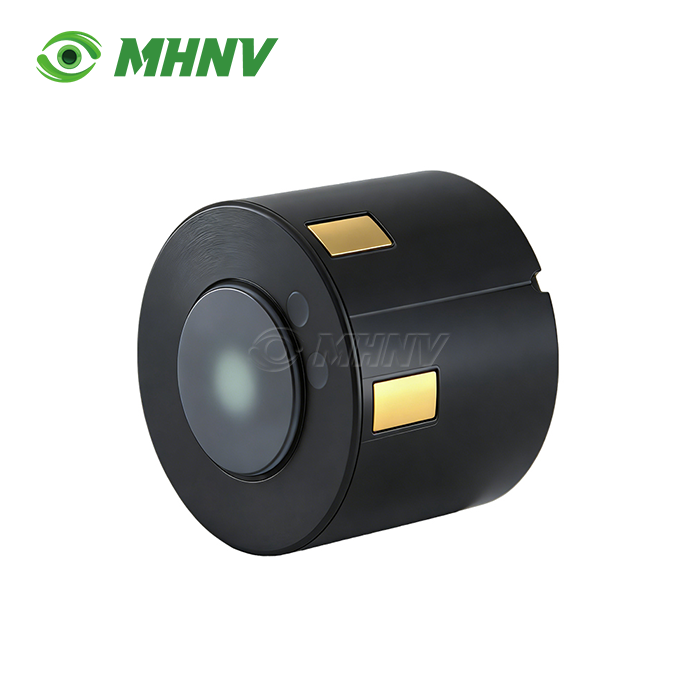
Gen 2 Image Intensifier
Gen 2 Image Intensifier Tubes | High-Performance Night Vision Solutions for Professional Applications
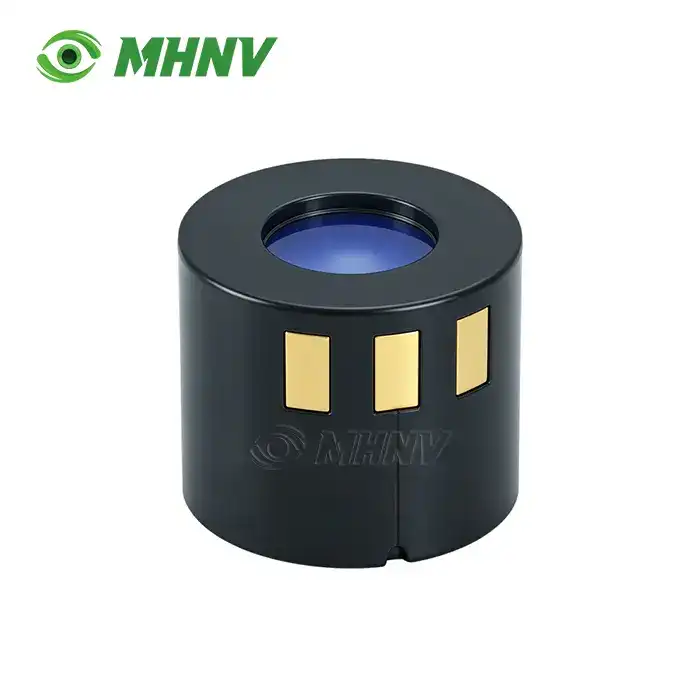
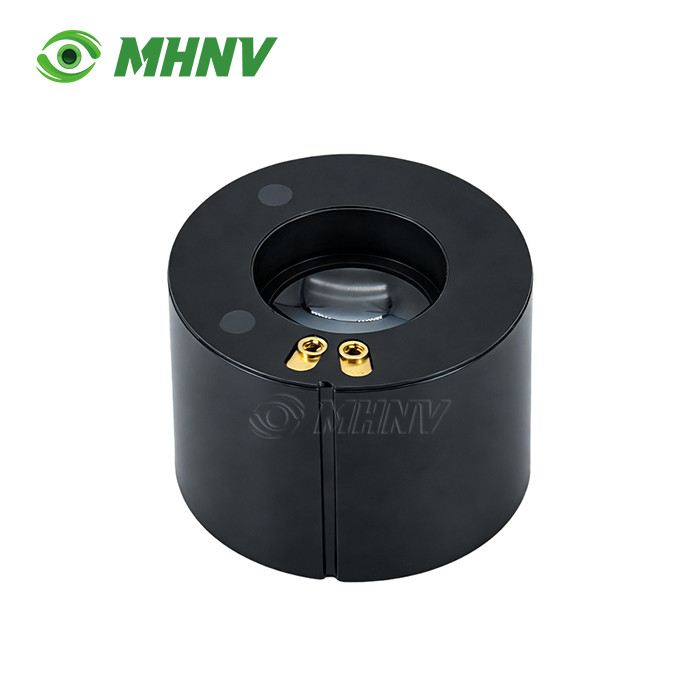
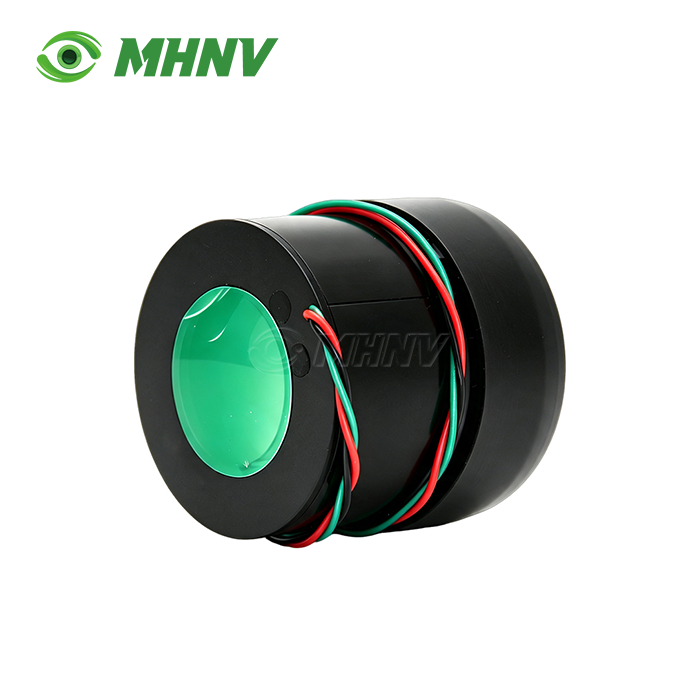
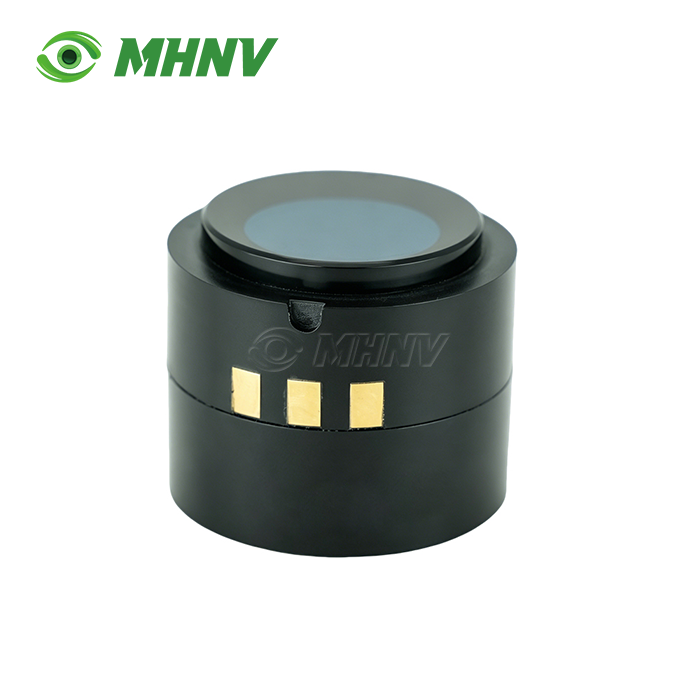
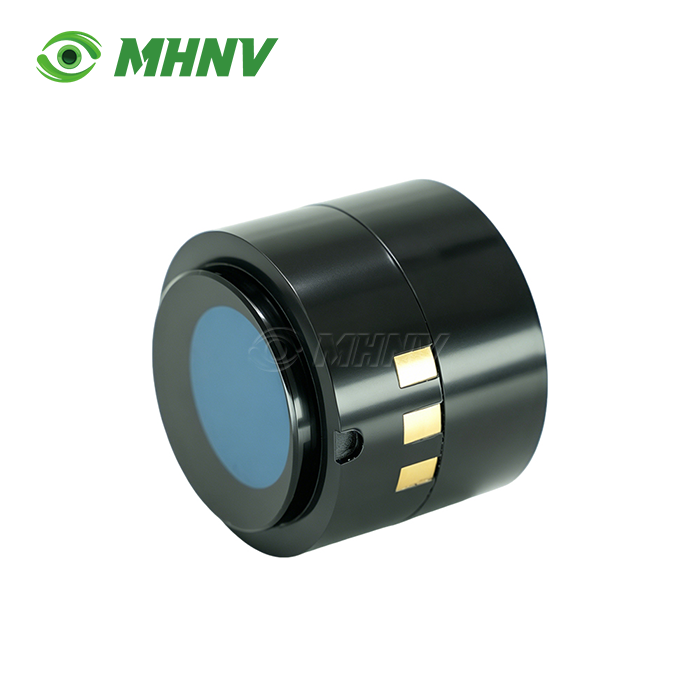
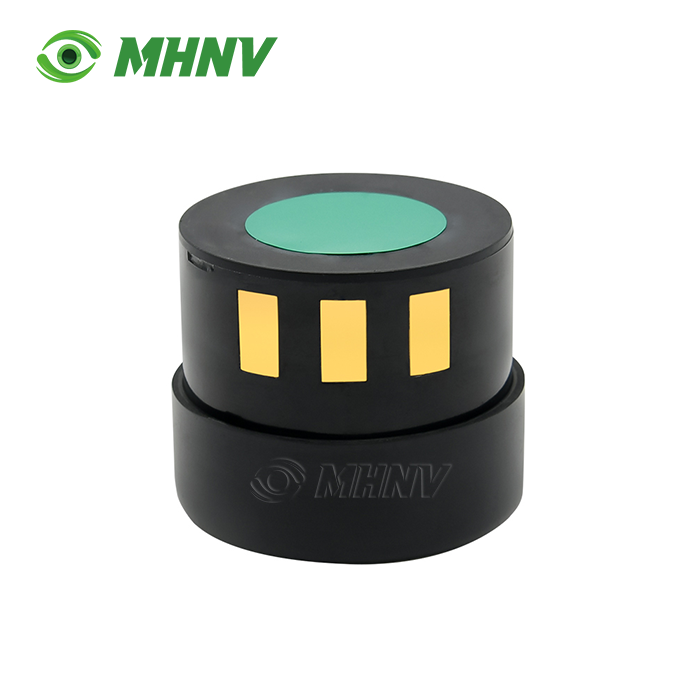
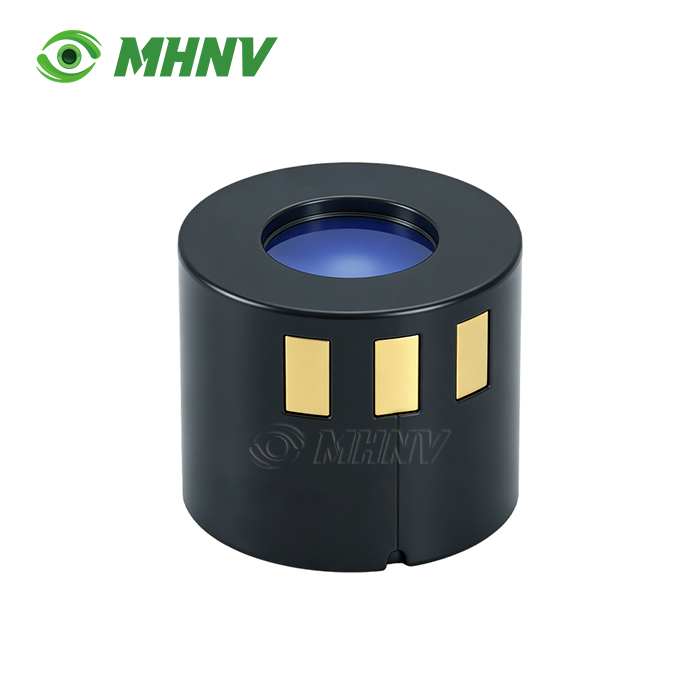
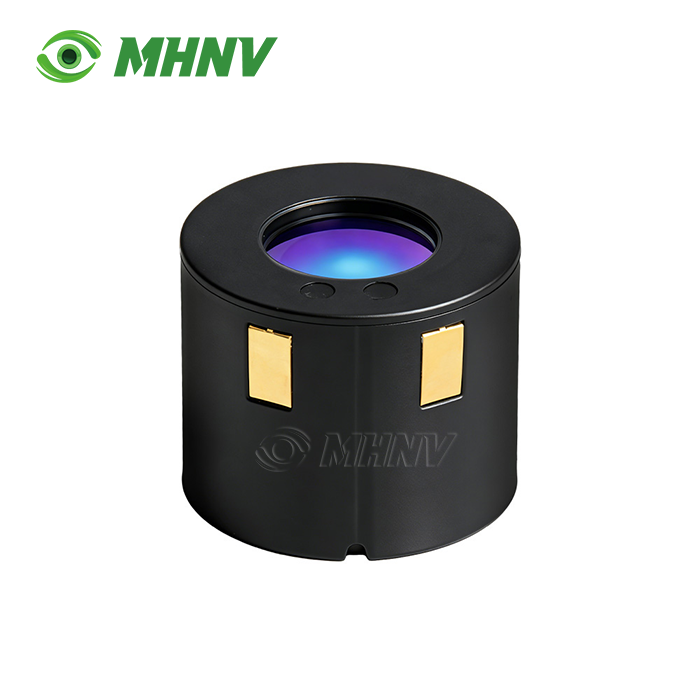
MHNV® delivers enterprise-grade Gen 2 Image Intensifier tubes engineered with advanced vacuum electronics technology and MCP architecture. Our tubes achieve luminous sensitivity up to 750μA/lm, resolution of 64 lp/mm, and SNR of 25, providing exceptional low-light imaging performance. With EBI ≤0.25μlx and integrated auto-gating modules, these tubes ensure superior contrast and photocathode protection across −45°C to +55°C operating conditions. Weighing ≤75g, they're optimized for demanding observation, surveillance, and navigation systems worldwide.

Understanding Gen 2 Image Intensifier Technology
This product is a huge step forward in low-light amplification technology. At the heart of it is the Microchannel Plate (MCP), a precision glass disc with millions of tiny electron-multiplying channels. This component transforms weak photon signals into bright, usable imagery with gains exceeding 8,000 cd/m²/lx.
Our Na$_2$KSb(Cs) photocathode is very efficient in converting the incoming photons to electrons. These electrons pass into the MCP where they cascade across the channels, multiplying by factors of thousands before hitting the P43/P45 phosphor screen. The effect is clear, high resolution nite vision without the need for active infrared illumination that sacrifices operating discretion.
Technical Specifications
| Parameter | Value |
|---|---|
| Photocathode Diameter | ≥17.5 mm |
| Cathode Material | Na₂KSb(Cs) |
| Output Window Options | Inverting/Non-inverting, Spherical SR40/Flat |
| Photocathode Sensitivity | 550 / 650 / 750 μA/lm |
| Signal-to-Noise Ratio | 20 / 22 / 25 |
| Resolution | 60 / 64 lp/mm |
| Luminance Gain | ≥8,000 cd/m²/lx |
| Maximum Output Brightness | 4–8 cd/m² |
| Equivalent Background Illumination | ≤0.25 μlx |
| Input Voltage | 2.2–3.4 V |
| Input Current @ 3V | ≤20 μA |
| Weight | ≤75 g |
| Operating Temperature | −45°C to +55°C |
| Storage Temperature | −55°C to +70°C |

MHNV® Manufacturing Excellence
MHNV® has Class-10,000 cleanrooms for product manufacture and calibration. Our vertically integrated factory marries vacuum electronics know-how with precision optical assembly. Each tube is tested to MIL-STD-810 environmental standards, including 500g shock, vibration endurance and thermal cycling validation.
Our quality method guarantees the homogeneity of the photocathode along the entire useful diameter. Advanced metrology labs assess SNR at light levels as low as 10⁻⁴ lux, test MTF resolution at the center and periphery, and certify EBI performance at temperature extremes. Each tube is shipped with serialised QC paperwork and performance data sheets.
With more than 12 years of experience in image intensifier technology, MHNV® services customers in over 60 countries. Our engineers have experience in all aspects of the development process, from photocathode deposition and MCP integration to power supply design and housing assembly.
Superior Performance Advantages
Vacuum Electronics Mastery: Our proprietary photocathode processing delivers exceptional uniformity and sensitivity. Grade A tubes achieve 750μA/lm luminous response, enabling detection of starlight-level illumination without supplemental IR sources.
Ultra-Low Background Noise: With EBI maintained at ≤0.25μlx, you experience deeper blacks and higher target-to-background contrast. This specification becomes critical during extended observation sessions in warm environments where thermal emission can degrade lesser tubes.
Integrated Auto-Gating Protection: Built-in automatic brightness control circuitry protects the sensitive photocathode when transitioning from darkness to bright zones. The system maintains consistent resolution and prevents tube damage during sudden light exposure—essential for dynamic operational environments.
Lightweight Construction: At ≤75g total mass, these tubes integrate seamlessly into helmet-mounted systems and compact optical assemblies. The reduced weight minimizes user fatigue during prolonged missions while maintaining structural integrity under shock and vibration.
Professional Applications
Law Enforcement & Security Operations: Surveillance teams rely on our tubes for covert observation in urban settings. The high SNR ensures clear facial recognition at extended ranges, while low EBI prevents image washout from ambient streetlighting.
Maritime & Coastal Navigation: Search and rescue operators deploy Gen 2 Image Intensifier technology to detect unlit obstacles and markers in coastal waters. The passive operation avoids alerting other vessels, while the wide temperature tolerance handles maritime humidity and temperature swings.
Scientific Research & Inspection: High-speed imaging laboratories use our tubes for capturing low-photon phenomena. The 64 lp/mm resolution preserves fine structural details in fluorescence microscopy and ballistics documentation applications.
Outdoor Observation Equipment: Manufacturers of premium night vision monoculars and binoculars specify MHNV® tubes for superior edge-to-edge clarity. The spherical and flat output window options accommodate various optical design requirements.
Quality Assurance Standards
MHNV® maintains ISO 9001:2015 certification with additional compliance to CE, RoHS, and FCC requirements. Our inspection protocols exceed industry standards:
- SNR Verification: Measured at 10⁻⁴ lux to confirm image clarity meets specification grades
- Resolution Testing: MTF evaluation across entire photocathode diameter
- EBI Measurement: Thermal chamber testing validates background illumination limits
- Halo Characterization: Quantifies light scatter around bright sources
- Environmental Stress Screening: Shock testing to 500g, vibration endurance, humidity resistance
Each production lot undergoes 100% functional testing. Serialized data accompanies every tube, providing traceability for critical applications.

Comprehensive Customization Services
MHNV® provides complete OEM/ODM solutions tailored to your system requirements. Our engineering team collaborates directly with your designers to optimize tube selection, power integration, and mechanical interfaces.
Tube Configuration: Choose inverting or non-inverting outputs with spherical SR40 or flat fiber-optic windows. Select sensitivity grades (550/650/750 μA/lm) and resolution tiers (60/64 lp/mm) matching your performance targets and budget parameters.
Power Supply Integration: Our engineers design custom gating circuits and voltage regulators that interface seamlessly with your device architecture. Low-current operation (≤20μA @ 3V) extends battery life in portable applications.
Optical System Design: Leverage our in-house optical engineering for objective lens matching, eyepiece optimization, and MTF simulation. We ensure your complete system delivers the resolution and field-of-view your customers demand.
Testing & Documentation: Receive comprehensive performance reports including photocathode sensitivity maps, resolution charts, and environmental qualification data. Multilingual technical documentation supports global distribution.
FAQ
Q: What defines the operational lifespan of a product tube?
A: Professional-grade Gen 2 tubes typically deliver 10,000 to 15,000 hours of operational life, with actual duration depending on cumulative light exposure and usage patterns. Units operated primarily in starlight conditions without frequent bright-light cycling generally exceed the lower range, while those experiencing regular transitions between darkness and moderate illumination may track toward the upper lifespan estimate. MHNV® tubes undergo accelerated life testing to validate longevity predictions, and our auto-gating technology actively extends photocathode life by preventing overexposure damage.
Q: Does the product require supplemental infrared illumination?
A: These tubes function effectively under starlight (10⁻³ to 10⁻⁴ lux) without active IR sources, making them ideal for covert operations where illuminator signatures must be avoided. However, in absolute darkness environments such as underground facilities, interior spaces without windows, or heavily overcast moonless nights, a supplemental 850nm IR illuminator enhances target recognition at extended ranges. The high photocathode sensitivity of MHNV® tubes (up to 750μA/lm) maximizes passive performance before requiring active illumination.
Q: How do Gen 2 and Gen 2+ tubes differ in practical performance?
A: Gen 2+ designation indicates enhanced photocathode formulations and higher-efficiency MCP construction compared to baseline Gen 2 specifications. Practically, Gen 2+ tubes demonstrate 15–25% improvement in signal-to-noise ratio, enabling clearer imagery in near-total darkness conditions. Resolution typically increases from 57–60 lp/mm in standard Gen 2 to 64+ lp/mm in Gen 2+ variants. MHNV® Gen 2+ tubes also feature reduced halo diameter around bright sources and lower EBI values, translating to superior contrast in challenging lighting conditions with mixed bright and dark zones.
Q: What protection exists against sudden bright light exposure?
A: Integrated Automatic Brightness Control (ABC) circuitry continuously monitors output brightness and dynamically reduces power supply voltage when detecting sudden illumination increases. This response occurs within milliseconds, preventing photocathode damage and protecting user vision. MHNV® auto-gating systems maintain image quality during transitions—you'll experience momentary brightness adjustment rather than complete image washout or permanent tube damage. For daytime testing or storage, always use protective lens caps to prevent accidental overexposure.
Q: What causes the halo effect around bright lights in night vision imagery?
A: Halo appears as a luminous ring surrounding intense point sources such as streetlights or vehicle headlamps, caused by electron scattering within the microchannel plate structure. When electrons strike the MCP channel walls at shallow angles, some scatter laterally before reaching the phosphor screen, creating the visible glow. Lower halo measurements indicate tighter manufacturing tolerances and superior MCP quality. MHNV® Grade A tubes maintain minimal halo diameter through precision channel alignment and optimized MCP bias voltages, ensuring bright sources don't obscure surrounding detail during urban operations.
Partner With MHNV® for Advanced Night Vision Solutions
Ready to integrate proven Gen 2 Image Intensifier technology into your next-generation optical systems? Contact our technical specialists at sarah@mh-elec.com to request detailed specifications or comprehensive OEM collaboration proposals.
YOU MAY LIKE