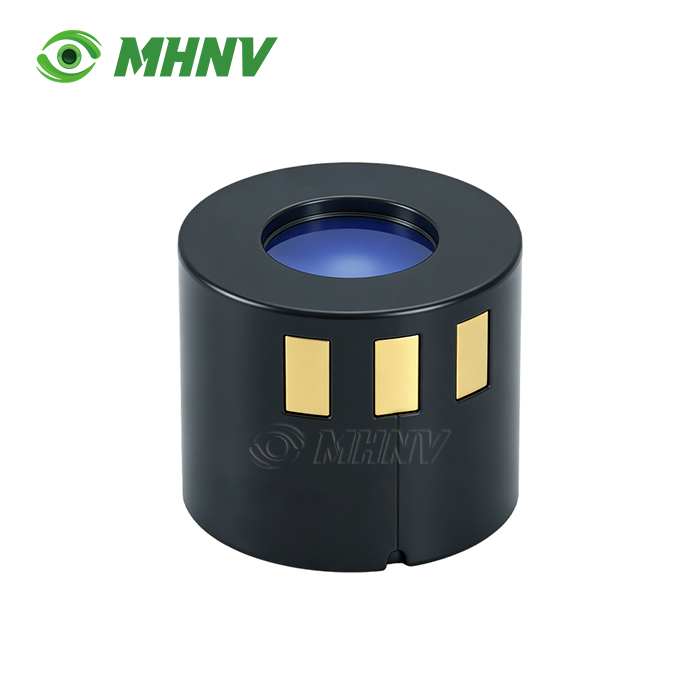
Intensifier Tube Gen 3
Intensifier Tube Gen 3 | High-Performance Night Vision Solutions for Professional Observation Systems
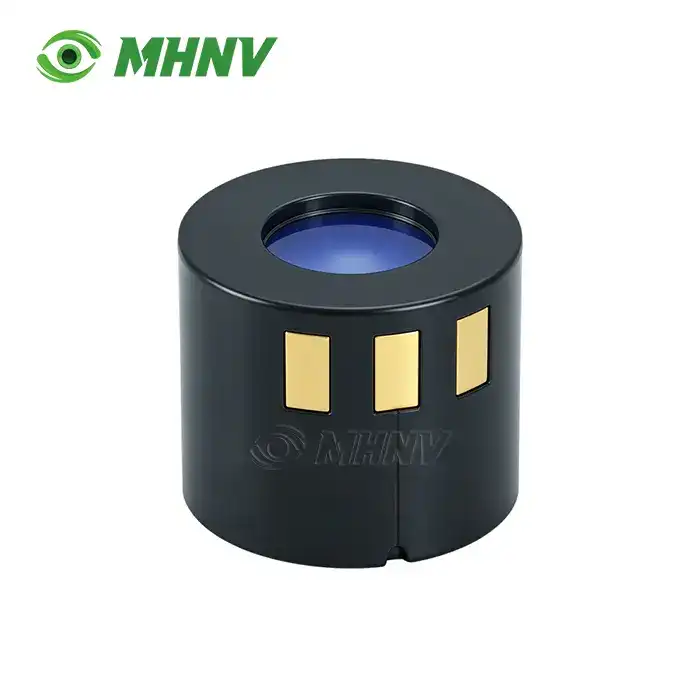
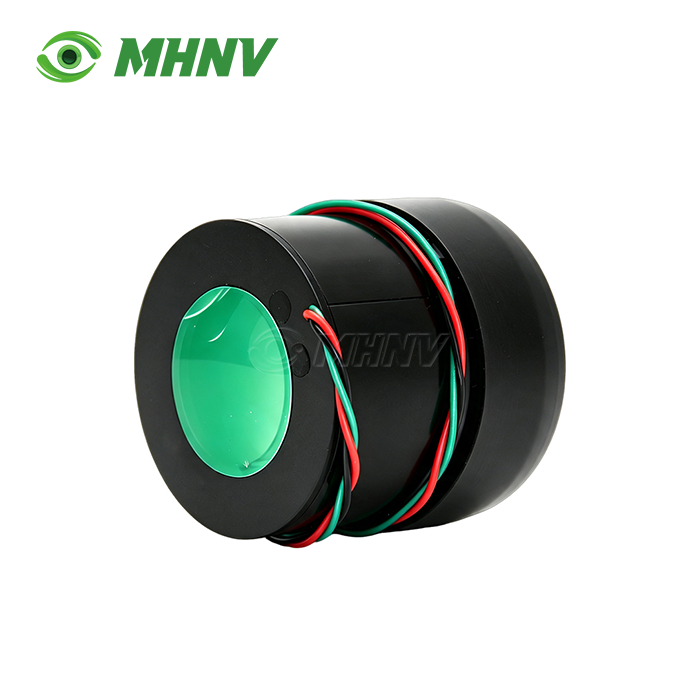
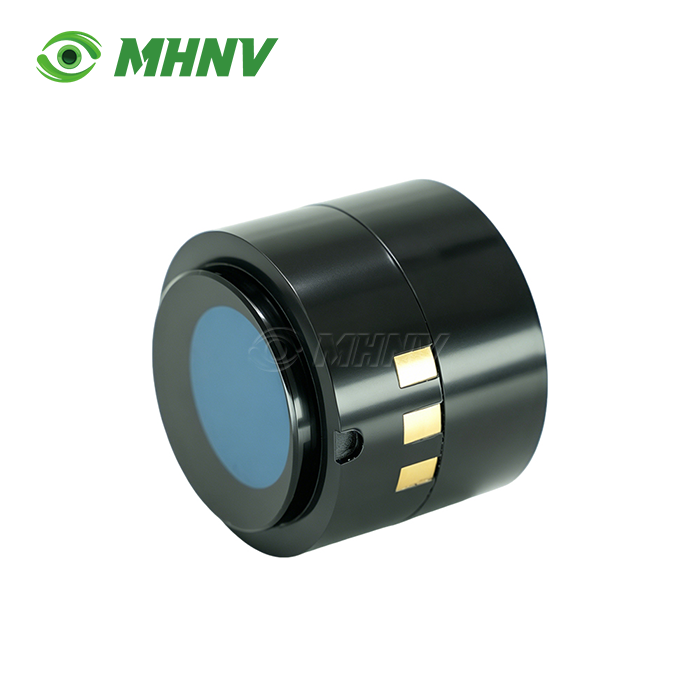
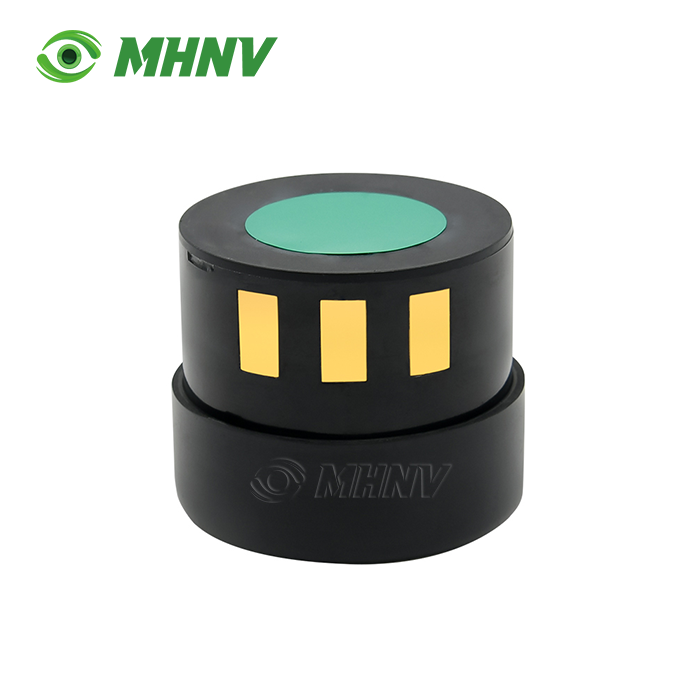
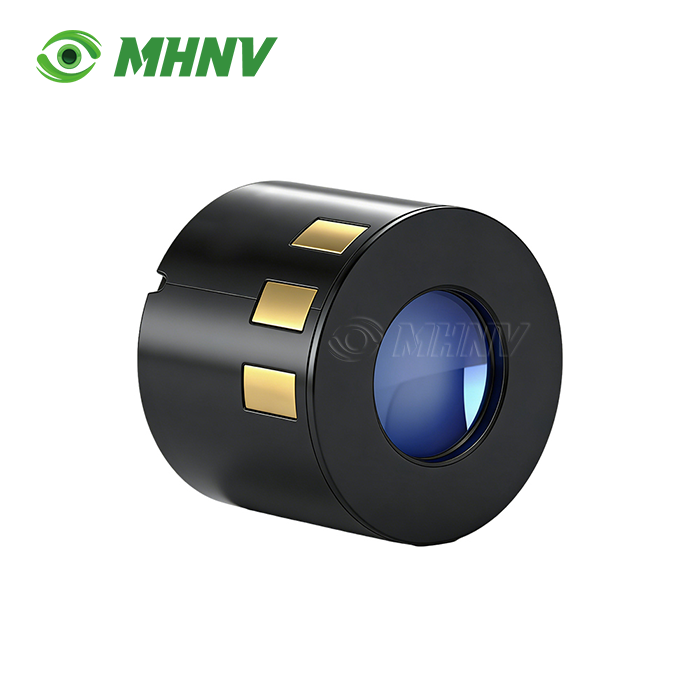
The Intensifier Tube Gen 3 represents advanced night vision technology engineered for professional-grade observation and surveillance applications. Manufactured by MHNV® with over 12 years of specialized expertise, this third-generation image intensifier delivers exceptional low-light performance through its Gallium Arsenide (GaAs) photocathode core. Our enterprise-level solution achieves photocathode sensitivity exceeding 1800μA/lm, signal-to-noise ratio (SNR) >30, and resolution surpassing 60 lp/mm. With luminance gain ≥10000 cd/㎡/lx and ultra-low EBI ≤0.25, MHNV® product provides reliable imaging in starlight conditions. Every unit undergoes rigorous ISO9001, CE, RoHS, and FCC certified testing, ensuring consistent quality for OEM integration and direct deployment.
What Makes Gen 3 Image Intensifier Technology Superior?
The core advancement of third-generation image intensification lies in its Gallium Arsenide photocathode material. Unlike previous multi-alkali cathodes, GaAs delivers significantly higher quantum efficiency across the near-infrared spectrum (600-900nm). This technological leap solves critical operational challenges: limited detection capability in ultra-low light environments below 10^-4 lux, reduced component longevity from ion bombardment, and image blooming from sudden light exposure.
The integrated ion-barrier film protects the photocathode from degradation. This engineering innovation extends operational life beyond 10,000 hours while maintaining high signal-to-noise performance. Your observation systems benefit from consistent image quality throughout the tube's service life.

Technical Specifications
| Parameter | Specification |
|---|---|
| Photocathode useful diameter | ≥17.5mm |
| Cathode material | GaAs |
| Input window | AVG glass |
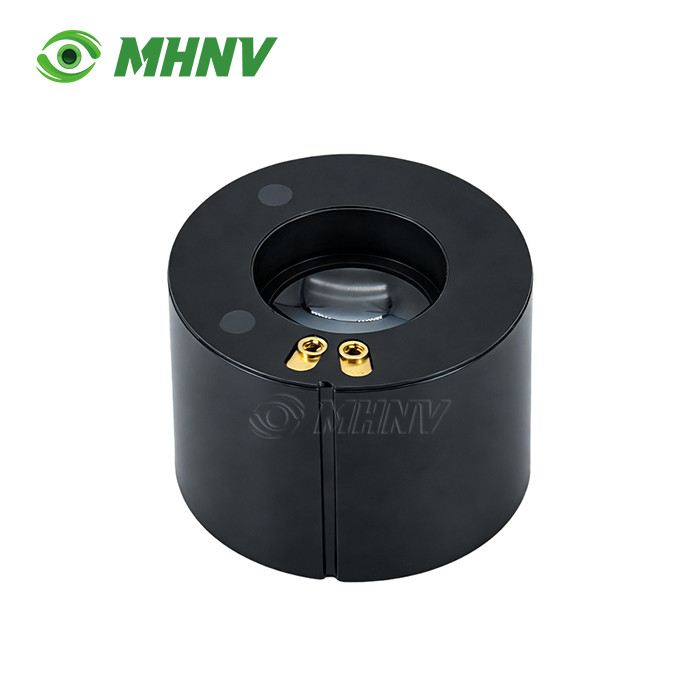
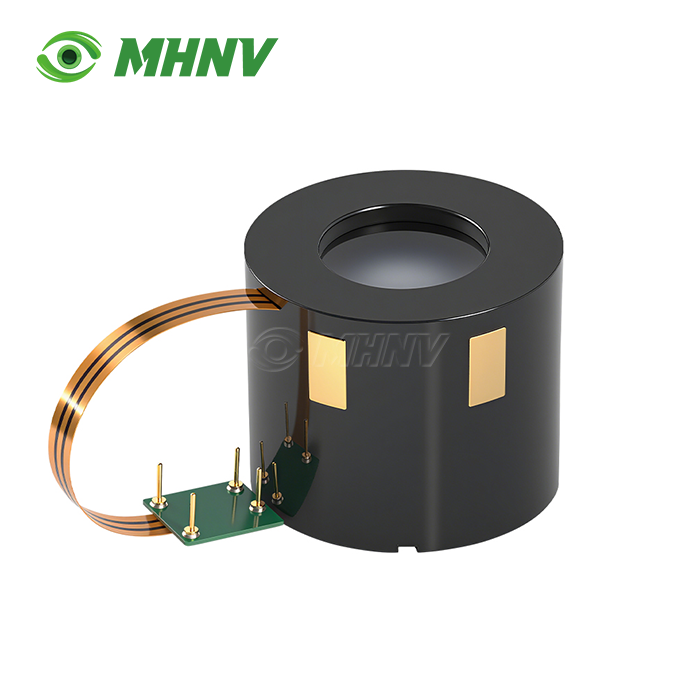
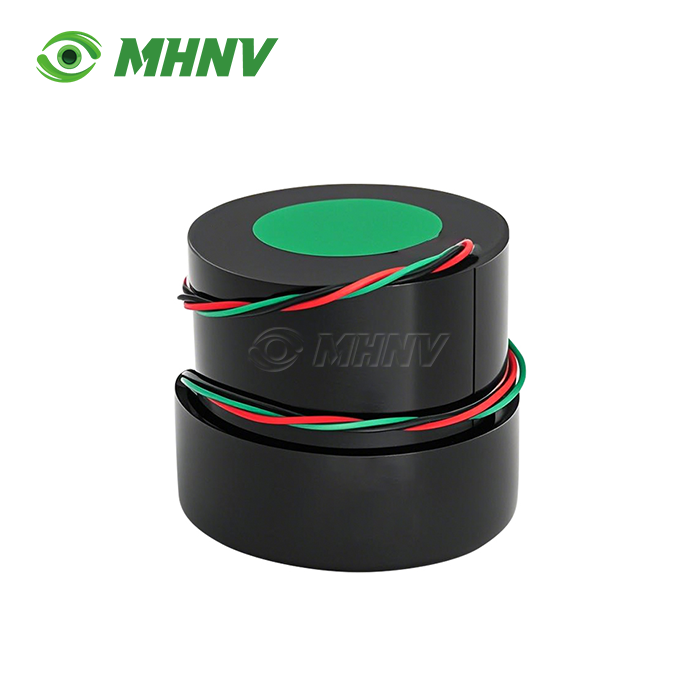
| Output window | Inverting flat / Non-inverting spherical (SR40) / Non-inverting flat |
| Phosphor powder | P43 (green) / P45 (white) |
| Photocathode sensitivity | >1800 μA/lm |
| SNR | >30 |
| Resolution | >60 lp/mm |
| Luminance gain | ≥10000 cd/㎡/lx |
| Maximum output brightness | 4-12 cd/㎡ |
| EBI | ≤0.25 |
| Input current @ 3V | ≤25 |
| Input voltage | 2.2-3.4V |
| Weight | ≤75g |
| Operating temperature | -45~+55℃ |
| Storage temperature | -55~+70℃ |
Key Performance Advantages
Ultimate Light Sensitivity
The Gallium Arsenide photocathode captures minimal photons under starlight and moonlight conditions. You achieve amplification gains of 30,000–50,000 times, producing clear, usable imagery when ambient illumination approaches zero.
Extended Service Life
The ion-barrier film shields the photocathode from damaging ion feedback. This protection delivers rated operational life exceeding 10,000 hours—substantially longer than earlier generations. Your investment maintains performance consistency over extended deployment periods.
Intelligent Light Protection
Autogating technology responds to sudden bright light exposure at microsecond intervals. The system instantly adjusts gain levels to prevent image blooming and protect sensitive components. Your operators transition safely between varying light conditions.
Superior Image Clarity
High signal-to-noise ratio combined with excellent resolution delivers detailed imagery. Optional white phosphor screens provide enhanced grayscale contrast, reducing eye fatigue during prolonged observation sessions. Your team maintains situational awareness during extended operations.
Rugged Environmental Performance
Built to meet demanding specifications, these tubes withstand high shock loads, humidity exposure, and extreme temperature ranges. Performance degradation remains minimal throughout the operational envelope.
Professional Applications
Tactical Reconnaissance Systems
Integration of Intensifier Tube Gen 3 into binocular platforms like PVS-31 enables operators to maintain awareness in zero-illumination environments. Dense forest canopies and windowless structures no longer limit observation capability. Detection remains effective where ambient starlight cannot penetrate.
Search and Rescue Operations
Aviation-mounted systems benefit from high Figure of Merit (FOM) performance. Pilots identify terrain hazards and power lines during low-altitude night maneuvers. Maritime rescue teams spot heat-reflective materials and beacons from extended distances.
Critical Infrastructure Surveillance
Border security and perimeter monitoring applications utilize long-range spotting configurations. Detection and identification capabilities extend beyond 1,500 meters. Passive operation requires no active IR illumination, maintaining covert observation posture.
Industrial Inspection
Non-destructive testing in low-light industrial environments benefits from consistent image quality. Inspection teams document conditions in confined spaces and hazardous areas without introducing artificial lighting.

MHNV® Manufacturing Excellence
Our vertically integrated production facility allows for quality control at all levels. Class-10,000 cleanrooms help precise IIT calibration. Advanced electronic assembly is performed on SMT production lines. All performance parameters are verified in professional metrology laboratories.
Each device that ships has been tested on a battery of tests: Signal to Noise, Figure of Merit, Resolution, Halo, and EBI. Environmental reliability testing is used to prove performance over the prescribed temperature and stress ranges. Each tube has its own individually serialised QC paperwork.
Our engineering staff offers full customisation support. Phosphor color selection, output window configuration, and performance optimization match your specific integration requirements. For OEM projects, services include firmware customisation, mechanical re-design and private label packaging.
Quality Certifications and Standards
MHNV® is ISO 9001:2015 Quality Management System certified. All goods are compliant with CE, RoHS and FCC . Environmental testing is performed in accordance with MIL-STD-810 standards for shock resistance, vibration endurance, humidity performance, and altitude operation. Your buying is of worldwide grade standards.

FAQ
Q: What is the difference between the product technology and Gen 2+?
A: Gen 3 uses a Gallium Arsenide photocathode which has a much higher sensitivity to near infra-red light than the multi-alkali cathodes in Gen 2+ designs thus giving better performance in darker ambient circumstances. The Gen 3 ion-barrier film increases the operational life span and the GaAs material offers a higher quantum efficiency in the 600-900nm spectrum, overcoming the limited detection ability and shorter component life of previous generation technologies.
Q: Is there an ion-barrier film in all Gen 3 tubes?
A: Most manufacturing tubes have the ion barrier coating to prevent the Gallium Arsenide cathode from ion feedback damage. There are specialised thin film or filmless versions that minimise background noise and halo effects even further, although they may sacrifice some operating lifetime for better optical performance in some professional applications where maximal image clarity is of the utmost importance.
Q: Why is the autogating feature a requirement for operation of the Gen 3?
A: The autogating means the tube performs well in transitional illumination, dawn, dusk, urban areas, etc. There is no image saturation or whiteout. Such microsecond-level sensitivity protects the fragile GaAs photocathode layer from lasting damage from unexpected intense light exposure, while allowing for acceptable imaging across rapidly shifting illumination levels.
Q: How long will the product last?
A: 3rd generation tubes are rated for 10,000 to 15,000 hours of operation under normal operating circumstances. This is over twice the service life of Gen 2 technology, resulting in lower long-term replacement costs and constant performance throughout long-term deployment cycles for professional observation systems.
Q: How do I read Figure of Merit (FOM) specifications?
A: FOM is the industry standard for measuring tube quality and is computed by multiplying resolution (lp/mm) by signal to noise ratio. For Gen 3 units above 1800, the FOM indicates strong performance capability suitable for demanding professional applications, while specifications reaching 2400+ reflect state-of-the-art quality fulfilling the most strict operational standards.
Contact MHNV® for Your Night Vision Requirements
Ready to integrate professional-grade Intensifier Tube Gen 3 into your observation systems? Contact sarah@mh-elec.com for detailed product data, customization options, and volume pricing.
YOU MAY LIKE