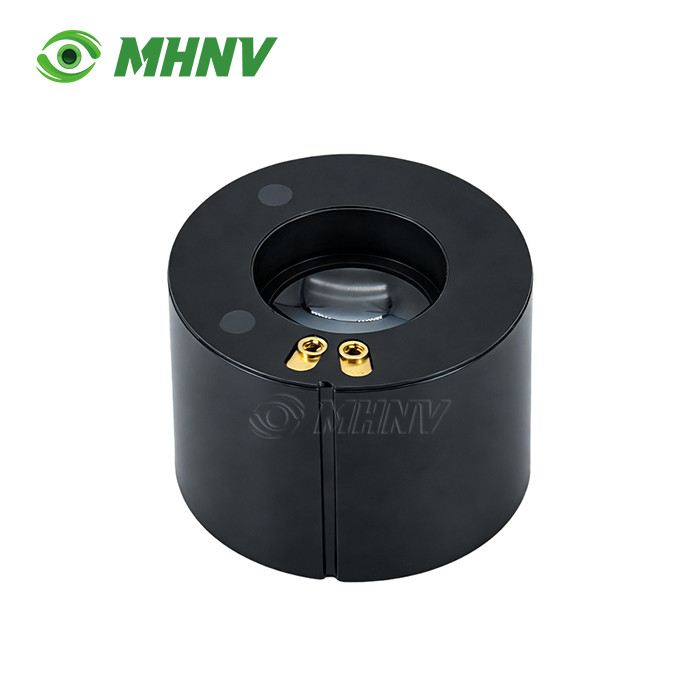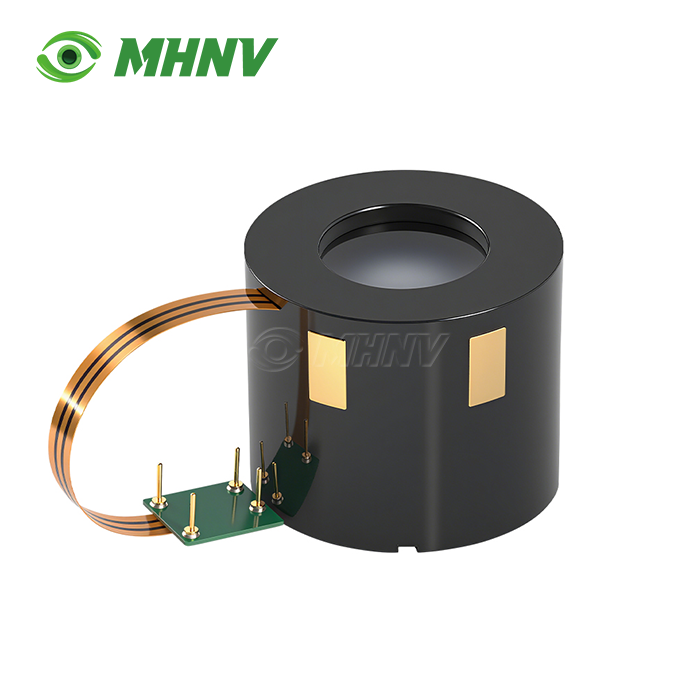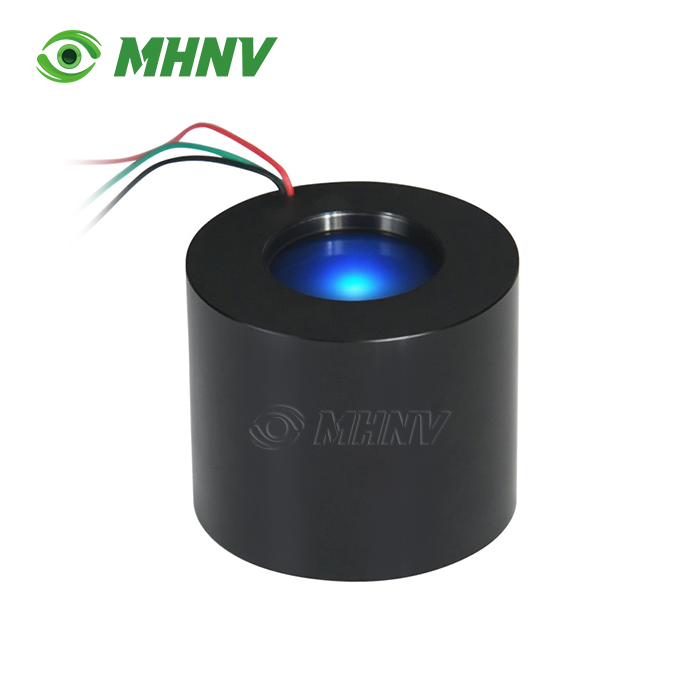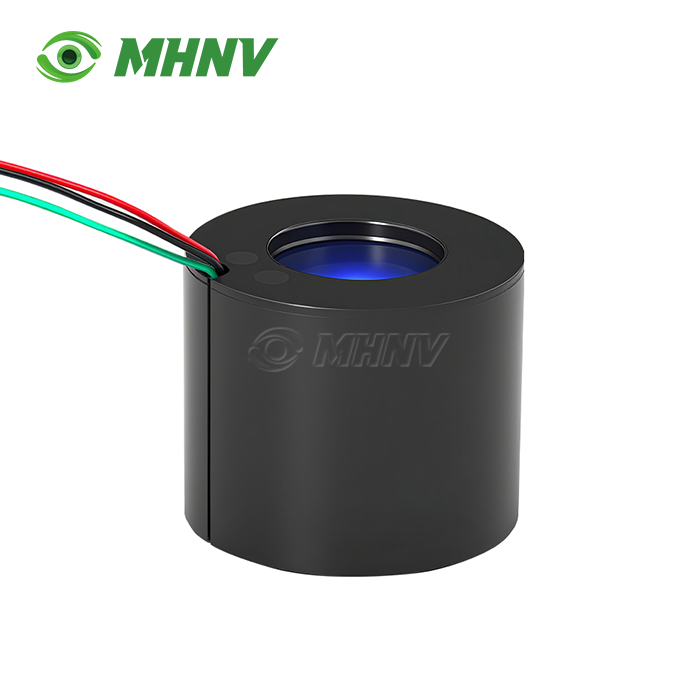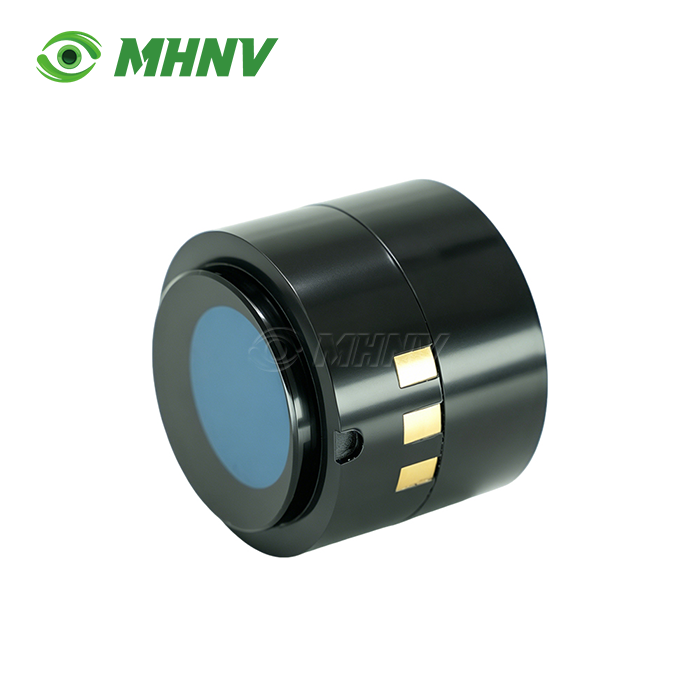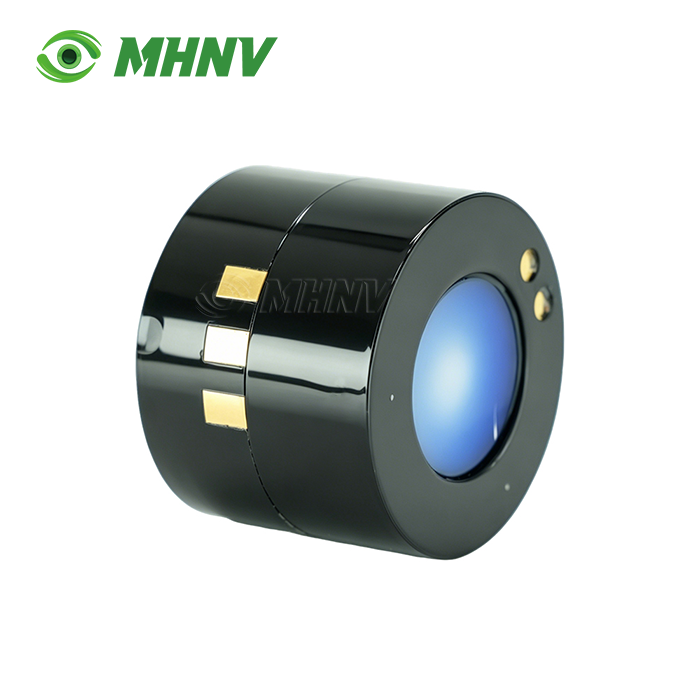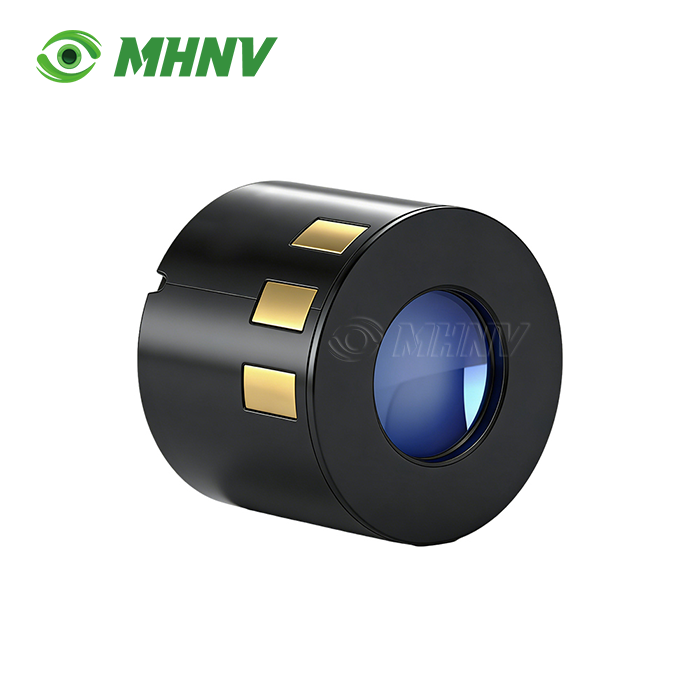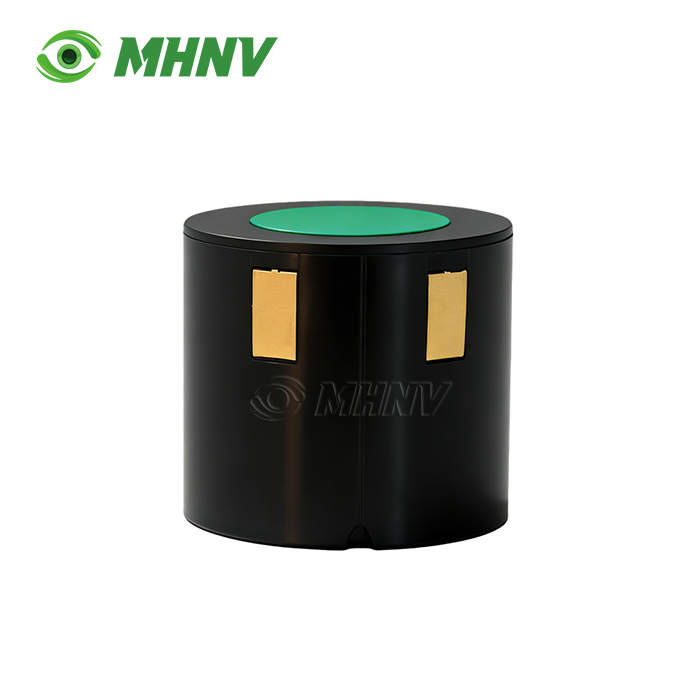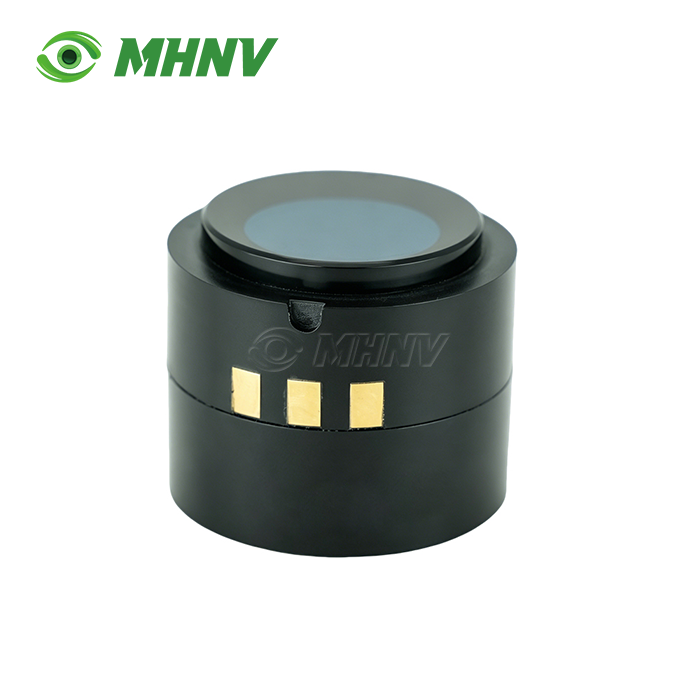
16 MM Gen 3 Image Intensifier Tube
High-Performance 16 MM Gen 3 Image Intensifier Tube | Advanced Night Vision Solution for Professional Applications
The 16 MM Gen 3 Image Intensifier Tube represents a breakthrough in compact night vision technology, engineered by Xi'an MH Electronics And Technology Co., Ltd. (MHNV®) to deliver exceptional low-light performance in a miniaturized format. Built on advanced Gallium Arsenide (GaAs) photocathode technology, this tube achieves photocathode sensitivity exceeding 1600 µA/lm, signal-to-noise ratios above 23, and Figure of Merit (FOM) ratings spanning 1400 to 2000+. With resolution capabilities of 64–72 line pairs per millimeter and equivalent background illumination (EBI) below 0.25 µlx, it provides professional-grade imaging clarity while reducing system weight by approximately 30% compared to standard 18mm formats. ISO9001, CE, RoHS, and FCC certifications ensure compliance with international quality standards, making it the optimal choice for demanding surveillance, aviation, and reconnaissance operations.
Why Choose MHNV® 16 MM Gen 3 Image Intensifier Tubes?
MHNV® operates as a full-stack manufacturer with over 12 years of specialized experience in night vision technology. Unlike trading companies, we maintain complete control over optical design, vacuum tube integration, FPGA processing, and quality testing within our Class-10,000 cleanroom facility.
Our engineering team covers algorithm development, hardware design, embedded firmware, and mechanical engineering, enabling rapid customization cycles and direct communication with project engineers. Every tube undergoes rigorous testing according to MIL-STD-810 environmental standards, including shock resistance, vibration testing, and temperature cycling from -51°C to +52°C.
Serving customers in 60+ countries, MHNV® provides flexible OEM/ODM customization, multilingual technical support, and fast delivery schedules. Stock inventory ships within 3–7 working days, while bulk orders complete in 15–30 days.

Technical Specifications
| Parameter | Value |
|---|---|
| Effective Input Diameter | 16 mm |
| Photocathode Sensitivity (Luminous) | ≥ 1600 µA/lm |
| Equivalent Background Illuminance (EBI) | ≤ 0.25 µlx |
| Luminance Gain | 12,000 – 20,000 cd/m²/lx |
| Output Luminance | 6 – 12 cd/m² |
| Resolution | 64–72 lp/mm |
| Signal-to-Noise Ratio | >23 |
| Figure of Merit (FOM) | 1400–2000+ |
| Operating Current | ≤ 25 mA (typical) |
| Input Voltage | 2.2 – 3.4 V |
| Weight | ≤ 50 g |
Core Performance Advantages
Enhanced Sensitivity and Lifetime
The GaAs photocathode has a peak response between 600 nm and 900 nm wavelengths, making it ideal for starlight operation. You get over 10,000 hours of operational lifetimes with stable image quality for extended field deployment.
Auto-Gating Technology - Advanced
Nanosecond-response gating circuitry dynamically adjusts gain levels when switching between lighting settings. The clever protection scheme prevents photocathode damage caused by abrupt bright light exposure while maintaining high MTF performance. This results in longer tube life and lower maintenance expenses.
Flexible FOM Grading Options
The MHNV® offers many choices of Figure-of-Merit from 1400 to 2000+ to meet your performance requirements and stay within your budget. Higher FOM ratings offer better resolution and better signal-to-noise ratios for mission-critical applications.
Choice of Dual Phosphor
P43 green phosphor gives you more comfortable extended operation, while P45 white phosphor provides high-contrast monochrome imagery to reduce eye fatigue and improve depth perception in challenging terrain.
Application Scenarios
The compact 16mm format addresses critical size, weight, and power (SWaP) requirements across diverse professional environments:
Low-Profile Panoramic Systems: Integrated into dual-tube and quad-tube configurations where reduced housing dimensions prevent equipment snagging in confined spaces while maintaining full Gen 3 clarity.
Unmanned Aerial Vehicle Payloads: Serves as a lightweight core for drone-mounted surveillance systems where every gram impacts flight duration and maneuverability during night-time reconnaissance missions.
Aviation Helmet Systems: Deployed in pilot-worn devices to reduce front-end mass and minimize neck strain during high-G maneuvers, providing essential situational awareness for low-altitude navigation in challenging terrain.
Handheld Observation Devices: Powers compact monoculars and scopes for security personnel, inspection teams, and outdoor professionals requiring portable night vision capability without the bulk of traditional systems.

Quality Assurance and Testing
Each 16 MM Gen 3 Image Intensifier Tube undergoes comprehensive inspection following MIL-PRF-49610 standards to guarantee field reliability:
- Signal-to-Noise Ratio Verification: Precision measurement under controlled low-light conditions ensures clean image reproduction over internal electronic noise.
- Spot Specification Mapping: Strict zone-based limits on black spot quantity and size maintain unobstructed field of view.
- Halo Performance Testing: Quantifies bloom characteristics around bright point sources for optimal urban operation performance.
- Environmental Stress Screening: Temperature cycling and high-impact shock tests up to 500g simulate real-world deployment conditions.
- Burn-In Stabilization: 100-hour operational testing followed by MTBF validation confirms 12,000+ hour service life expectancy.
Every shipped unit includes serialized quality control documentation detailing tested parameters and performance benchmarks.

FAQ
Q: Will this fit inside an 18mm housing?
A: No, the 16mm format needs specially constructed optical pathways and housings for the decreased diameter to make sure the focus plane is aligned properly and the eye relief distance is correct. Using an 18mm housing would degrade the image focus and overall system performance. Our technical staff is available to give complete integration requirements or unique housing solutions to your application.
Q: What advantages does the 16mm format provide compared to standard 18mm tubes?
A: The main advantage is about 30% weight reduction and large volume reduction. This immediately decreases operator neck strain and enhances ergonomics during long wear times. The compact architecture also enables smaller profile system designs to minimise the danger of equipment snagging in limited working situations while providing equal resolution performance with sophisticated microchannel plate technology.
Q: Does the reduced diameter reduce the resolution capability?
A: Advanced microchannel plate manufacturing techniques enable the 16mm format to achieve resolution specifications of 64–72 line pairs per millimeter, matching or exceeding the performance of standard 18mm configurations. This smaller dimension does not mean less image quality when properly incorporated into optimised optical systems developed for this format.
Q: How should these tubes be stored to avoid performance degradation?
A: Store tubes in a cool, dry, dark place at temperatures of 15 to 25 °C and relative humidity of less than 60%. Remove batteries from housings during storage to avoid possible leakage of power supply or ion accumulation in the vacuum chamber. During storage and transportation do not expose to direct sunlight, electromagnetic radiation or mechanical shock.
Q: What customization options are available for OEM projects?
A: Complete customisation is possible with MHNV® including phosphor colour choice, FOM grade, power supply, optical interface change, housing layout, etc. We work with our engineering team to provide firmware customisation for gain curve adjustment, multi-lingual user interfaces and wireless streaming functions. Please contact our team to discuss your specific project needs and schedule.
Contact Us for Custom Solutions
Our engineering team at MHNV® provides rapid quotation, technical consultation, and sample evaluation services for 16 MM Gen 3 Image Intensifier Tube.
Email: sarah@mh-elec.com
YOU MAY LIKE