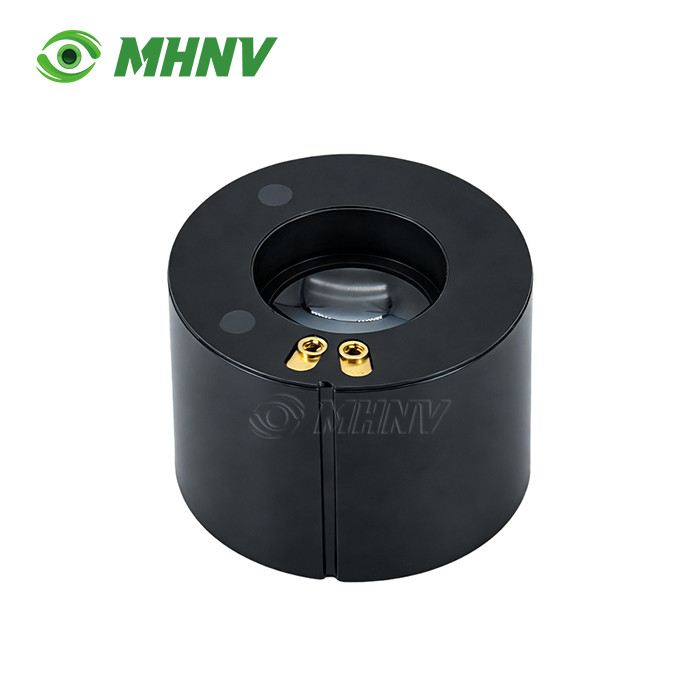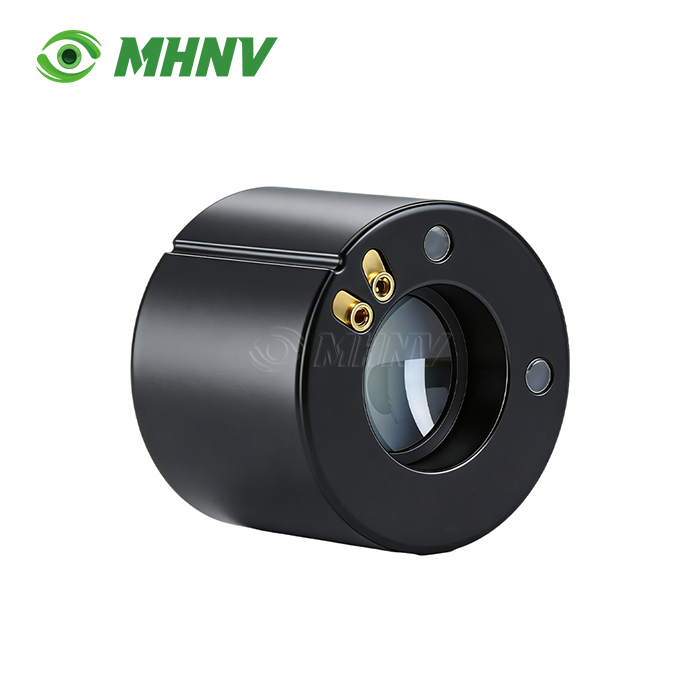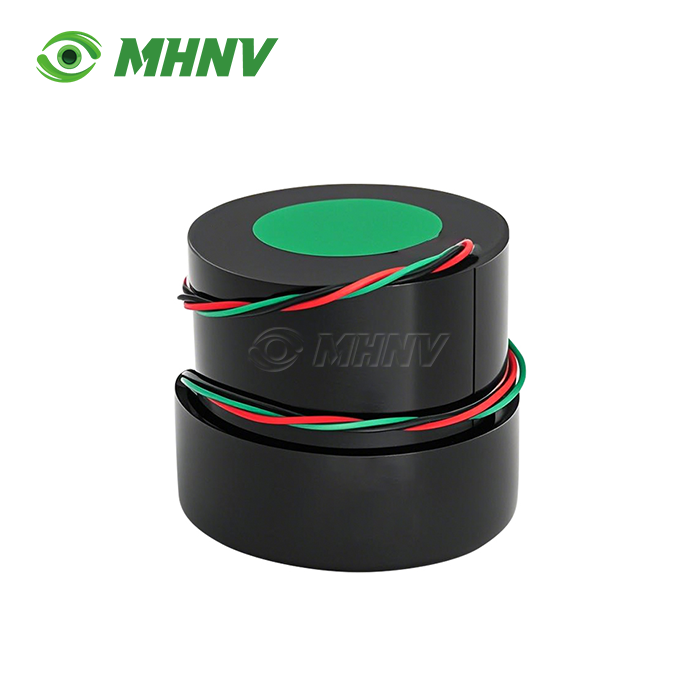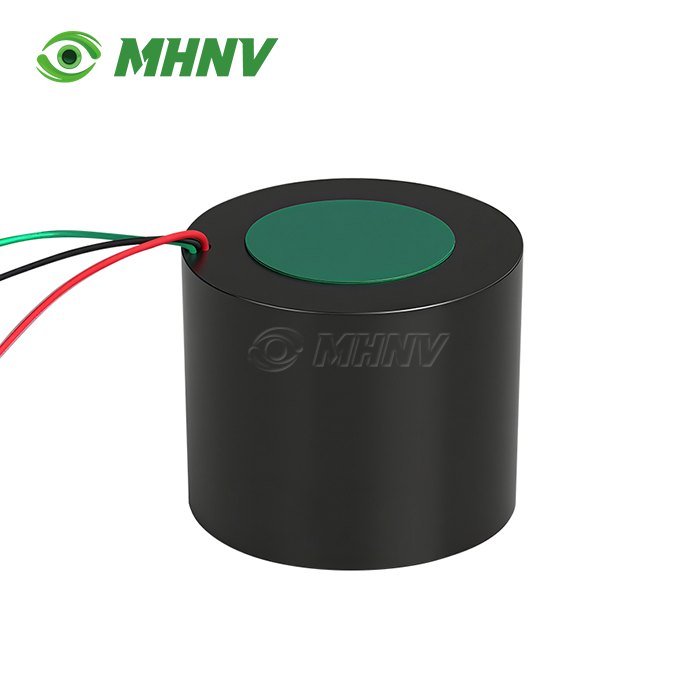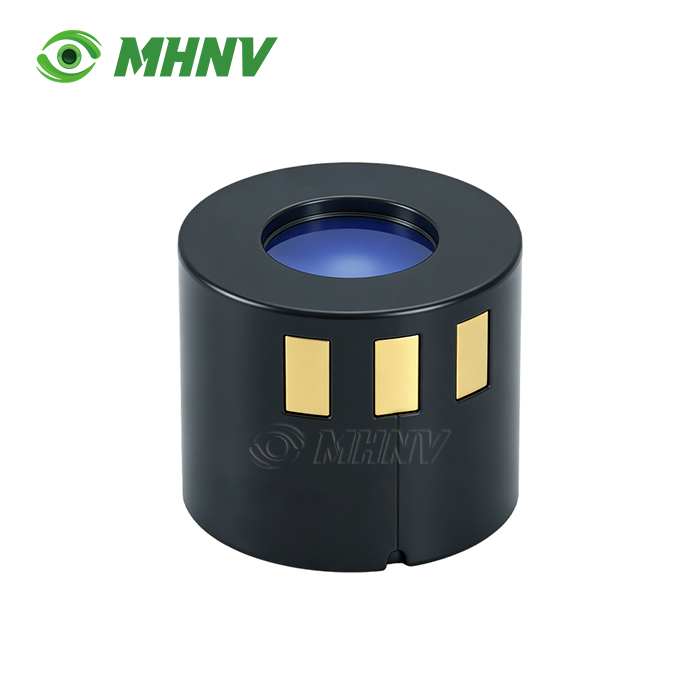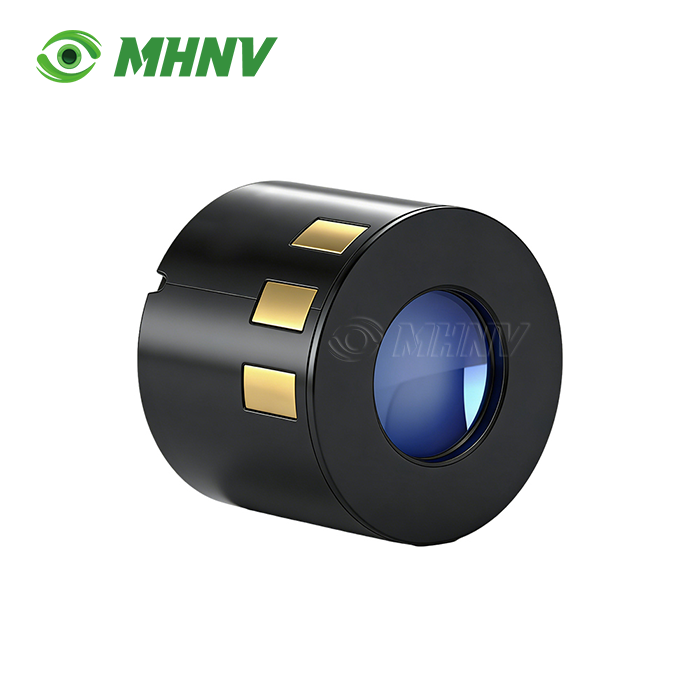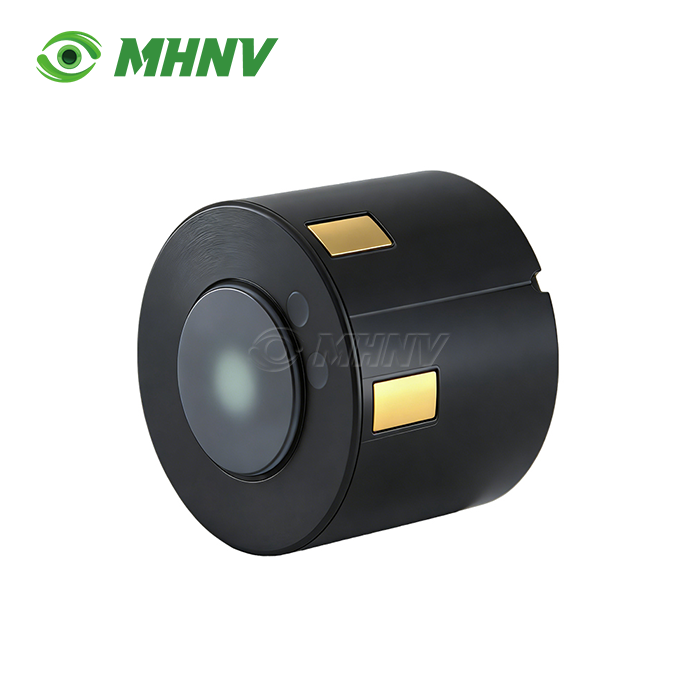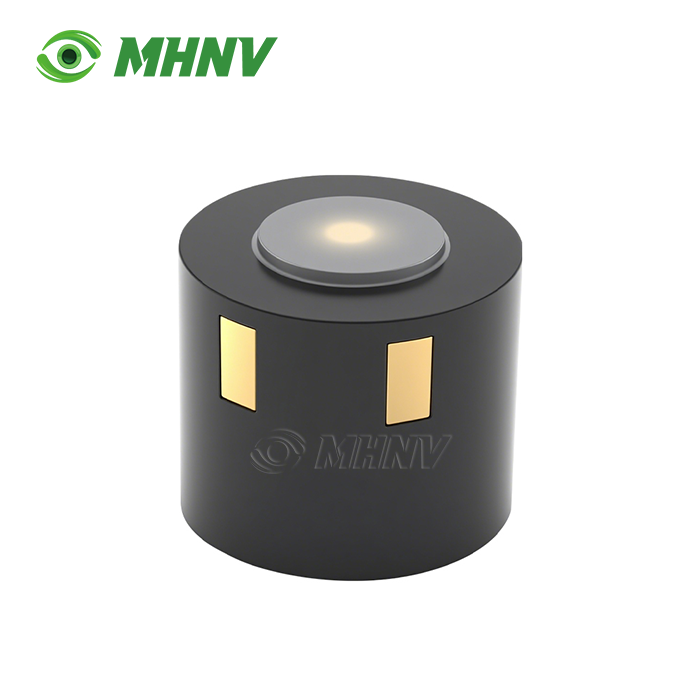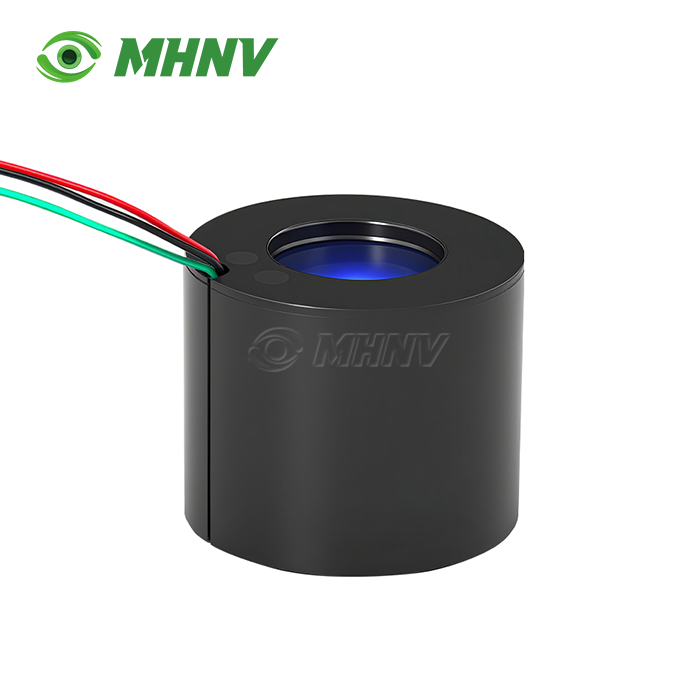
MX 10160 Image Intensifier
MX 10160 Image Intensifier – Professional Gen 2+/Gen 3 Night Vision Solution for Critical Low-Light Operations
The MX 10160 Image Intensifier represents a standardized 18mm vacuum tube assembly engineered for converting ambient low-level light into visible imagery in near-total darkness. Manufactured by Xi'an MH Electronics And Technology Co., Ltd. under the MHNV® brand, this Gen 2+ or Gen 3 GaAs photocathode-based intensifier delivers Figure of Merit ratings from 1600+ to 2200+, with signal-to-noise ratios exceeding 25-32+ and resolution performance of 64-72 lp/mm. Designed without external gain control leads, the product integrates Automatic Brightness Control (ABC), enabling seamless deployment in aviation goggles, binocular night vision systems, and reconnaissance equipment where hands-free operation and rapid light adaptation are essential.
Why MHNV® MX 10160 Image Intensifier Stands Out in Professional Night Vision?
MHNV® has engineered the product to address critical operational challenges faced by professionals requiring reliable performance in unpredictable lighting environments. Unlike trade-sourced alternatives, every tube undergoes in-house optical design, FPGA-driven image processing calibration, and multi-stage quality verification in ISO 9001:2015 certified cleanrooms.
Your system benefits from GaAs photocathode sensitivity rated between 500-750+ µA/lm, ensuring superior low-light detection capability. The proprietary auto-gating power supply responds within microseconds to prevent blooming and halo effects when transitioning between dark zones and illuminated areas. With an Equivalent Background Illumination (EBI) maintained at ≤0.25, you receive high-contrast imaging crucial for target identification at extended ranges.
Each shipped unit includes serialized test reports documenting SNR, FOM, resolution, and environmental compliance per MIL-STD-810 shock and vibration standards. MHNV®'s 12-year manufacturing experience across 60+ countries ensures you receive factory-direct support, not reseller markup.
Technical Specifications of MX 10160 Image Intensifier
| Parameter | Specification |
|---|---|
| Model Standard | MX-10160 |
| Technology | High-Efficiency GaAs Photocathode |
| Gain Control | Automatic Brightness Control (ABC) |
| Resolution | 64 – 72 lp/mm |
| Signal-to-Noise Ratio (SNR) | 25 – 32+ |
| Figure of Merit (FOM) | 1600+ / 1800+ / 2200+ |
| Photocathode Sensitivity | 500 – 750+ µA/lm |
| EBI (Background Noise) | ≤ 0.25 |
| Output Window | 18mm Inverting Fiber-Optic (Spherical / Flat Options) |
| Phosphor Type | P43 (Green) / P45 (White) |
| MTTF | 10,000+ Hours |
| Weight | ≤ 75 g |

Core Applications Where MX 10160 Image Intensifier Excels
Your operational requirements determine the value of selecting the right intensifier tube format. The product is purpose-built for three mission-critical scenarios.
Aviation Night Vision Systems: Integrated into AN/AVS-6 and AN/AVS-9 aviator helmets, the fixed-gain architecture eliminates manual adjustment distractions during flight. Pilots maintain situational awareness under starlight-only conditions, with the auto-gating feature protecting tube integrity during sudden cockpit lighting changes or ground-based searchlight exposure.
Binocular Night Vision Devices: Deployed in GPNVG-18 panoramic systems and dual-tube tactical goggles, the compact 18mm footprint without pigtail leads allows tighter housing integration. You gain synchronized brightness response across both eyes without the complexity of dual gain controls, essential for depth perception during rapid movement through urban environments.
Covert Surveillance and Search Operations: When monitoring locations with mixed lighting—streetlights, vehicle headlights, and shadow zones—the high-speed auto-gating prevents image washout. Your team maintains target visibility without repositioning or manual adjustment, reducing detection risk during extended observation missions.
Five Engineering Advantages of MHNV® MX 10160 Image Intensifier
1. Exceptional Low-Light Performance
The Gen 3 GaAs photocathode extends spectral response into near-infrared wavelengths, capturing photons invisible to Gen 2 technology. Combined with SNR values reaching 32+, you achieve usable detection ranges exceeding 300 meters under quarter-moon illumination. This performance advantage translates directly to earlier threat detection and improved decision-making time.
2. Advanced Auto-Gating Technology
MHNV®'s proprietary gated power supply cycles photocathode voltage at optimized frequencies, maintaining resolution integrity when ambient light fluctuates rapidly. You avoid the 'halo' artifacts that compromise situational awareness in competitors' non-gated tubes, particularly when scanning across light-polluted horizons or during transition from indoor to outdoor environments.
3. Superior Resolution and Image Clarity
Minimum resolution certification at 64 lp/mm ensures fine detail recognition—critical for distinguishing equipment silhouettes or identifying facial features at operational distances. High-FOM variants achieving 72 lp/mm meet stringent requirements where every line pair of resolution impacts mission success.
4. Extended Lifespan and Reliability
With Mean Time To Failure (MTTF) exceeding 10,000 continuous hours, your investment delivers long-term cost-effectiveness. Built to MIL-PRF-49428F standards, each tube withstands temperature extremes from -40°C to +50°C and survives high-G shock events, ensuring functionality after vehicle-mounted deployment or accidental drops.
5. Flexible Phosphor Options
Choose P43 green phosphor for traditional high-contrast imaging preferred in rural low-light environments, or select P45 white phosphor for improved color discrimination and reduced eye fatigue during extended operations. MHNV® calibrates both variants to identical brightness profiles, allowing mixed deployment within team equipment inventories.
MHNV® Manufacturing Excellence Behind Your MX 10160 Image Intensifier
Xi'an MH Electronics And Technology Co., Ltd. operates integrated production facilities spanning optical design, FPGA processing, and Class-10,000 cleanroom assembly. Unlike distributors relying on third-party supply chains, MHNV® controls every manufacturing stage.
Your tube begins with photocathode material selection and vacuum sealing, followed by automated MCP alignment and fiber optic bonding. After assembly, each unit undergoes 48-hour burn-in testing, resolution measurement via USAF 1951 target imaging, and SNR verification under standardized lux conditions. Environmental stress screening includes thermal cycling and vibration testing per MIL-STD-810 protocols.
Quality certifications include ISO 9001:2015, CE, RoHS, and FCC compliance. Every shipped MX 10160 Image Intensifier includes individual serialized QC documentation showing actual measured FOM, SNR, resolution, EBI, and cosmetic blemish mapping. You receive traceable performance data, not generic specification ranges.
Production capacity supports both rapid prototyping (15-25 days for ODM samples) and volume orders (30-45 days for bulk shipments). Stock availability enables 3-7 day delivery for standard FOM grades, critical when project timelines demand immediate deployment.

OEM and ODM Customization Services for System Integrators
MHNV® provides comprehensive customization beyond catalog specifications. Your project may require specific phosphor color matching, custom output window curvature for lens compatibility, or adjusted photocathode sensitivity profiles for specialized spectral environments.
Engineering services include optical design consultation for objective lens pairing, mechanical housing integration support, and firmware development for ABC parameter tuning. If your application demands unique form factors, MHNV®'s industrial design team provides CAD modeling, tolerance analysis, and rapid prototyping using aluminum or magnesium alloy materials.
Packaging customization includes branded carry cases, multilingual user manuals, and serialized authentication documentation. NDA protection and non-compete agreements safeguard your proprietary designs, with options for customer-owned tooling transfer on high-volume programs.
FAQ
Q: How are the MX 10160 image intensifier tubes different from the MX 11769 image intensifier tubes?
A: The MX 10160 is an 18mm fixed-gain image intensifier tube featuring integrated Automatic Brightness Control without external manual gain adjustment leads, whereas the MX 11769 includes a ribbon cable pigtail enabling user-controlled gain modulation typically found in monocular PVS-14 systems. The MX 10160 is for dual-tube, synchronised applications like binocular goggles, where manual gain matching for the left and right channels would be an operational complication, while the MX 11769 is intended for single-tube devices requiring field-adjustable sensitivity for varying ambient light conditions. Both tubes have similar photocathode technology and resolution properties, however which one is the better choice depends on your housing design and user interface needs.
Q: Will the product work effectively in PVS-14 housings that are configured for manual gain control?
A: Yes, the MX 10160 fits PVS-14 housings. The manual gain adjustment knob is now defunct as the tube has no external gain control lines. The intensifier is set at its highest internal gain as calibrated at the manufacturer and provides a constant level of brightness output with no user adjusting capability. This arrangement is very suitable for the operator who prefers simplified controls, or in cases where automated brightness response means no manual adjustment is needed. However, should your application demand field-adjustable sensitivity to transition between deep shadow and twilight circumstances, the MX 11769 pigtail variant restores complete manual gain capabilities in the same PVS-14 housing platform.
Q: What is the significance of auto-gating technology for MX 10160 performance in metropolitan areas?
A: Auto-gating works by oscillating the photocathode voltage at high frequencies (usually 20-30 kHz) which intermittently suppresses gain when the MCP recognises sudden intense light sources such as vehicle headlights, streetlamps or torch beams. This fast modulation is effective in preventing the permanent burn-in damage caused by the ion bombardment of the photocathode and the "blooming" effect where bright spots spread and obscure nearby detail, helping you keep an eye on targets near light sources. Auto-gating in urban reconnaissance gives useable imagery over 6+ decades of illumination range without user interaction in uncertain lighting settings while non-gated tubes demand continuous user adjustment or risk temporary blindness in rapid exposure situations.
Q: Is there any difference in performance between the filmed and filmless MX 10160?
A: The filmed MX 10160 tubes have a thin aluminium oxide barrier layer between the photocathode and the microchannel plate. This layer provides physical protection from ion feedback, which extends operational life in harsh environments but also results in a small loss of light transmission, reducing the SNR by approximately 10-15 percent. Filmless variations overcome this limitation by depositing advanced ion-barrier coatings on the MCP input surface, enhancing photon throughput for better SNR performance (often 2-3 points higher) and improving low-light sensitivity, making them more suitable for operation in severe darkness. Filmless technology, however, requires stricter manufacturing tolerances, and costs 20-30 percent more, thus budget and operational light level expectations will dictate the suitable option.
Q: How to store the product to get the maximum service life?
A: Keep the MX 10160 in a cold, dry place, with a temperature below 25°C and a relative humidity below 60 percent. Place opaque lens covers on both the photocathode and eyepiece ends to keep the tube assembly totally dark. All batteries must be removed from the housing to prevent corrosive leaking that damages electrical contacts. The housing should not be stored near magnetic fields more than 50 Gauss, which can degrade MCP alignment. For tubes in storage, operating them briefly (5-10 minutes) powered on every quarter helps prevent degradation of the photocathode material. Keep storage records showing temperature exposure and total powered hours to correctly track remaining MTTF for mission-critical inventory management.

Partner With MHNV® for Your Night Vision Integration Projects
Contact our technical team at sarah@mh-elec.com to discuss your MX 10160 Image Intensifier specific performance requirements, request serialized test data samples, or schedule a remote product demonstration.
YOU MAY LIKE