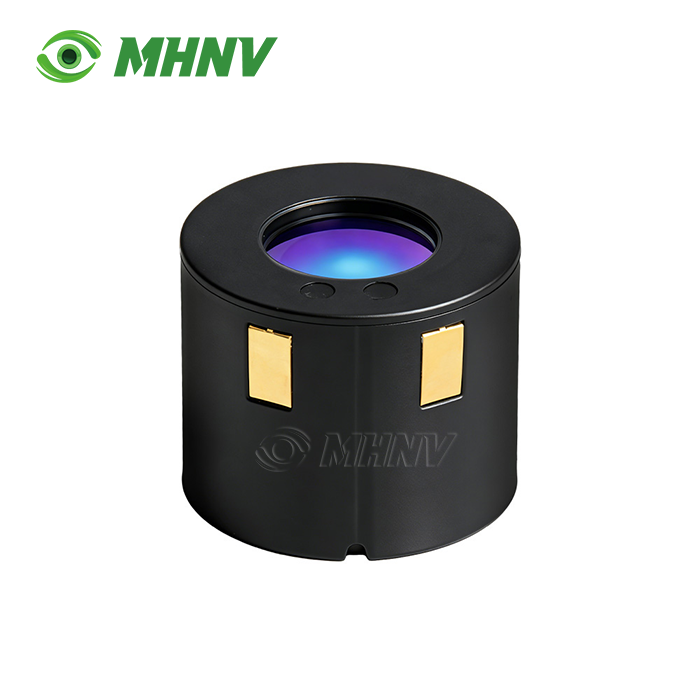
Gen 2 Image Intensifier Tube
Gen 2 Image Intensifier Tube | Professional Multi-Alkali Platform with Auto-Gating | Superior Low-EBI Performance
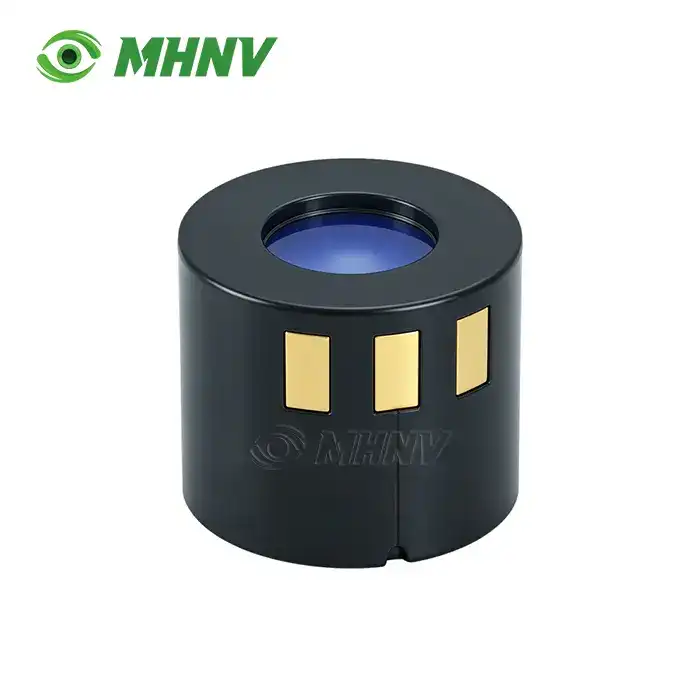
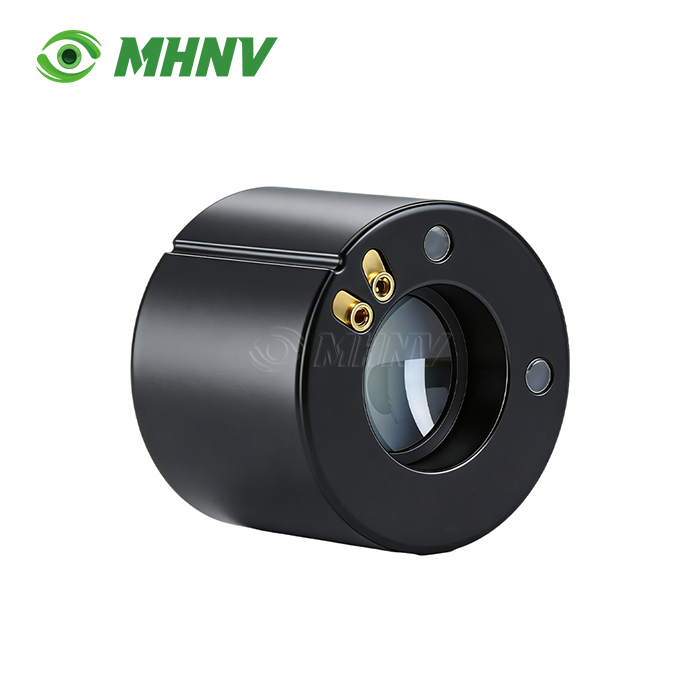
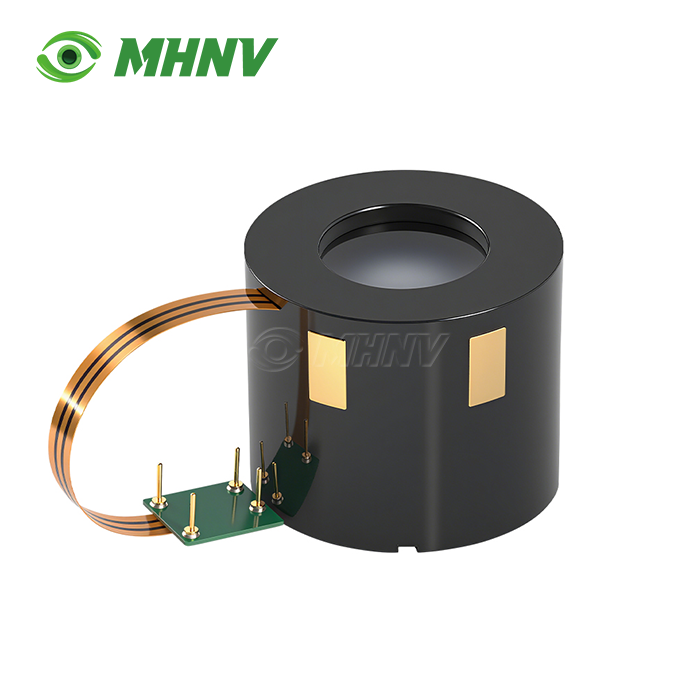
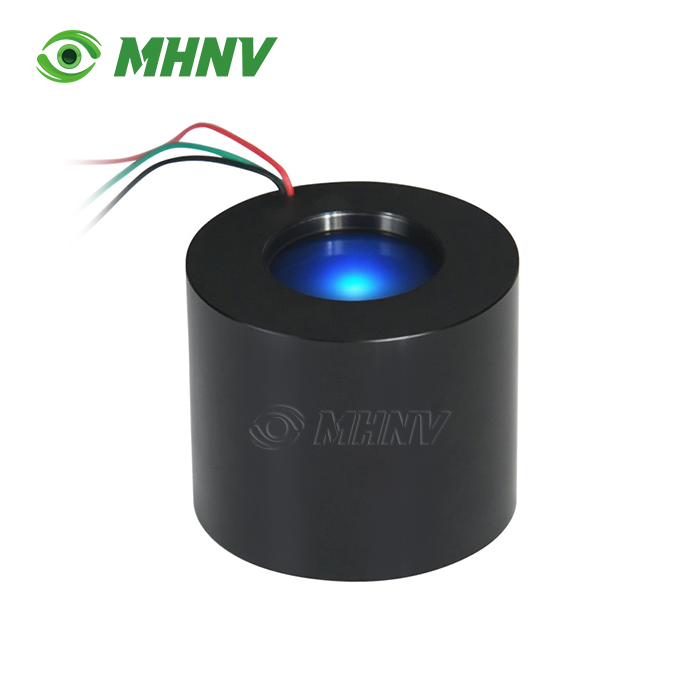
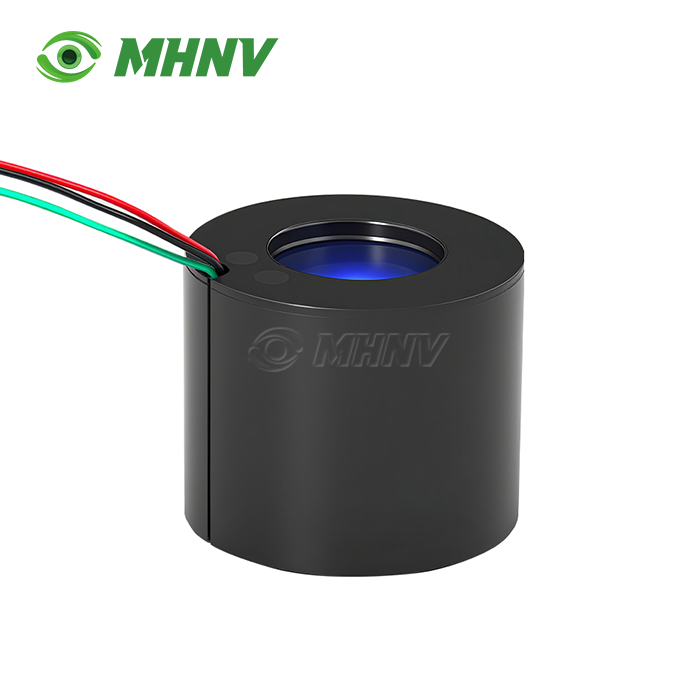
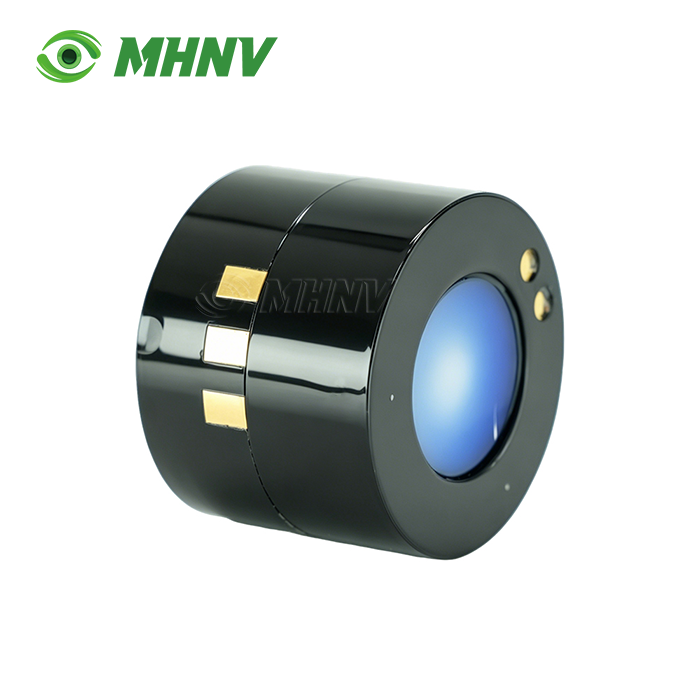
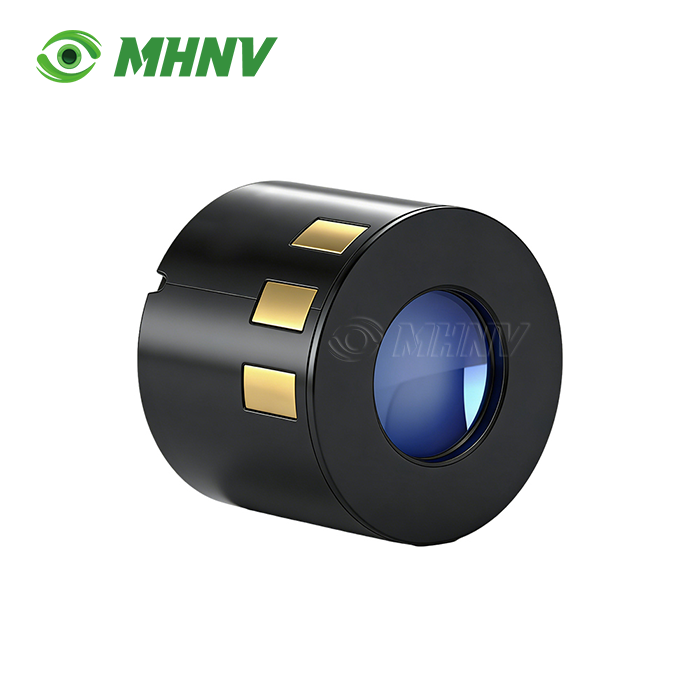
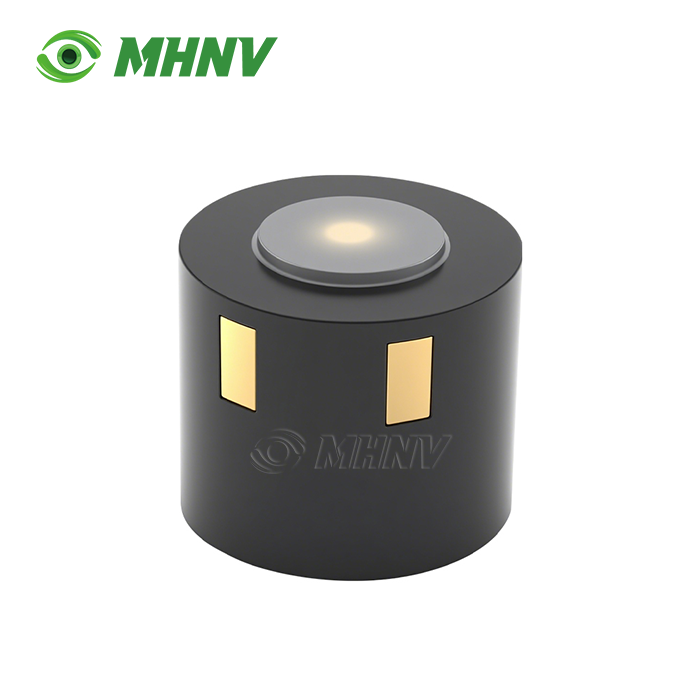
Xi'an MH Electronics And Technology Co., Ltd. manufactures enterprise-grade Gen 2 Image Intensifier Tubes built on a multi-alkali Na₂KSb(Cs) photocathode platform. Our tubes deliver luminous sensitivity up to 750 μA/lm (Grade A), 64 lp/mm resolution, and SNR 25 with integrated auto-gated power supply. Each unit maintains EBI ≤0.25 μlx for exceptional contrast in extreme low-light environments. Operating across −45°C to +55°C, weighing just 75g, these tubes are engineered for demanding professional applications requiring consistent imaging performance under dynamic lighting conditions.

Advanced Photocathode Engineering
The product employs a multi-alkali Na₂KSb(Cs) photocathode with a useful diameter of ≥17.5 mm, precisely deposited onto AVG glass substrate. This chemistry enables three sensitivity grades: 550, 650, and 750 μA/lm.
Higher photocathode sensitivity directly improves signal capture in starlight conditions (0.001 lux). The microchannel plate amplifies incoming photons through millions of microscopic channels, achieving luminance gain ≥8000 cd/m²/lx. Maximum output brightness reaches 4–8 cd/m², sufficient for clear observation without active infrared illumination.
Our vacuum electronics R&D ensures superior photocathode uniformity across the entire imaging area. This eliminates common issues like shading or sensitivity variations that compromise target detection in peripheral zones.
Technical Specifications
| Parameter | Specification |
|---|---|
| Photocathode Useful Diameter | ≥17.5 mm |
| Cathode Material | Na₂KSb(Cs) |
| Input Window | AVG Glass |
| Output Window Options | Inverting spherical (SR40) / Inverting flat / Non-inverting spherical (SR40) / Non-inverting flat |
| Phosphor Powder | P43 (green) / P45 (white) |
| Photocathode Sensitivity | 550 / 650 / 750 μA/lm |
| Signal-to-Noise Ratio (SNR) | 20 / 22 / 25 |
| Resolution | 60 / 64 lp/mm |
| Luminance Gain | ≥8000 cd/m²/lx |
| Maximum Output Brightness | 4–8 cd/m² |
| Equivalent Background Illumination (EBI) | ≤0.25 μlx |
| Input Current @ 3V | ≤20 mA |
| Input Voltage Range | 2.2–3.4 V |
| Weight | ≤75 g |
| Operating Temperature | −45°C to +55°C |
| Storage Temperature | −55°C to +70°C |

Superior Low-EBI Performance
EBI (Equivalent Background Illumination) measures internal tube noise that appears as background glow. High EBI degrades image contrast, especially in high-temperature environments or when observing very dark areas.
Our Grade A tubes maintain EBI ≤0.25 μlx—among the lowest in the industry. This results in deeper blacks and higher target-to-noise contrast when operating in caves, tunnels, or heavily shadowed terrain. Lower EBI also extends effective observation range since your eyes detect subtle intensity differences more easily.
The tight EBI specification comes from precise vacuum processing, high-purity materials, and strict ion barrier coating control during manufacturing.
Integrated Auto-Gating Protection
Sudden exposure to bright lights (vehicle headlights, muzzle flash, streetlamps) can damage traditional image intensifiers and temporarily blind the operator. Our Gen 2 Image Intensifier Tube includes built-in auto-gating circuitry that dynamically adjusts tube voltage within microseconds.
When ambient light exceeds safe thresholds, the gate reduces photocathode voltage to limit electron flow. Resolution and image quality remain stable during transitions from shadow to bright zones. When returning to darkness, sensitivity automatically recovers without manual adjustment.
This protection extends tube lifespan beyond 10,000 operational hours while maintaining consistent performance across mixed lighting scenarios common in urban observation, perimeter security, and search operations.
Flexible Output Window Configurations
You can select from four fiber-optic output geometries to match your optical assembly requirements:
Inverting Spherical (SR40): Traditional design with 40 mm radius of curvature. Produces an inverted image (corrected by eyepiece optics). Spherical output reduces lens aberrations for high-resolution systems.
Inverting Flat: Simplifies relay lens design. Ideal for compact monoculars where space constraints limit multi-element optics.
Non-Inverting Spherical (SR40): Provides erect image directly at the output. Reduces complexity in binocular and goggle designs.
Non-Inverting Flat: Combines direct upright image with simplified mechanical integration for weight-sensitive applications.
All configurations support both P43 green phosphor (traditional high-contrast) and P45 white phosphor (improved color discrimination and reduced eye fatigue during extended missions).
Multi-Grade Performance Options
We offer three performance tiers to balance cost and capability:
Standard Grade (550 μA/lm, SNR 20, 60 lp/mm): Cost-effective solution for training devices, recreational observation, and budget-conscious projects.
Premium Grade (650 μA/lm, SNR 22, 64 lp/mm): Balanced performance for law enforcement, security patrol, and wildlife observation where reliable detection matters.
Elite Grade (750 μA/lm, SNR 25, 64 lp/mm): Highest sensitivity and signal quality for professional surveillance, search-and-rescue coordination, and critical infrastructure monitoring requiring maximum target clarity.
All grades undergo identical environmental qualification and ship with serialized test reports documenting photocathode sensitivity, resolution, SNR, EBI, and halo measurements.
Extreme Temperature Reliability
Operating range from −45°C to +55°C ensures reliable performance in Arctic expeditions, desert patrols, and high-altitude operations. Storage tolerance down to −55°C prevents damage during transportation or seasonal equipment storage.
The lightweight 75-gram design reduces neck strain in head-mounted systems and minimizes payload in unmanned platforms. Compact dimensions fit standard 18 mm tube housings used across the industry, simplifying integration into existing night vision devices.
Manufacturing Quality Assurance
Each tube is assembled in Class-10,000 cleanrooms using vacuum electronics expertise developed over 12 years. Photocathode deposition, MCP alignment, and fiber-optic bonding follow strict process controls verified through ISO 9001:2015 certification.
All units pass MIL-STD-810 environmental testing including shock, vibration, humidity, and altitude simulation. Final inspection includes:
- Photocathode sensitivity mapping across the full 17.5 mm diameter
- Resolution measurement at center and edge zones
- SNR calculation under calibrated 0.0001 lux illumination
- EBI measurement in total darkness
- Halo evaluation around calibrated point sources
- Power consumption verification across voltage range
You receive a serialized QC data sheet with every shipment, providing traceability for your quality documentation.

OEM Customization Services
MHNV® supports complete tube customization for your branded products:
Performance Selection: Choose photocathode grade, resolution tier, and SNR class matching your price point and application requirements.
Optical Configuration: Specify output window geometry (spherical/flat, inverting/non-inverting) and phosphor color (P43 green or P45 white).
Power Interface: Integrate with your existing voltage regulator or request matched power supply recommendations for optimal auto-gating performance.
Testing Standards: Define custom acceptance criteria or request testing per your internal specifications.
Branding: Add serialized markings for inventory control and warranty tracking.
Lead times: 15–25 days for custom samples, 30–45 days for volume orders. MOQ starts at 10 pieces for tube components.
FAQ
Q: What is the expected lifespan of a product?
A: The professional tubes, with auto-gating protection built in, will usually last 10,000 to 15,000 hours of operation before the sensitivity of the photocathode begins to fall off dramatically. The real lifetime depends on the amount of light received during operation. Devices mainly used under starry settings will survive longer than those frequently exposed to urban illumination. The auto-gating mechanism greatly improves tube life by preventing damage to the photocathode during abrupt intense light occurrences. With Grade A performance criteria, the life can be extended over 15,000 hours when properly gated and regularly used in varied illumination.
Q: Does this product need an IR illuminator?
A: The tube amplifies ambient light from stars and moon (down to 0.001 lux) without supplementary infrared illumination for outdoor observation. An active IR illumination is required, however, in absolute darkness such as windowless buildings, underground facilities, dense forest canopies, and gloomy moonless nights. IR illuminators provide controlled 850 nm wavelength light which is invisible to the human eye but within the spectral response range of the photocathode. This allows clear imaging where the natural ambient light level is below functional threshold levels.
Q: Gen 2 vs Gen 2+ what is the difference?
A: Gen 2+ is a subset of Generation 2 technology that uses improved photocathode formulations and increased microchannel plate efficiency due to ion barrier coatings and better production procedures. Typically Gen 2+ tubes have greater signal to noise ratios (22-25 vs. 18-20), better resolution (64 lp/mm vs. 56-60 lp/mm) and lower equivalent background illumination than conventional Gen 2 specs. This performance gap makes Gen 2+ suited for professional applications that demand constant target recognition at extended ranges in minimal lighting settings where ordinary Gen 2 tubes would generate excessive noise.
Q: What about sudden bright lights?
A: Integrated Automatic Brightness Control (ABC) circuitry continuously monitors the photocathode current and makes automatic adjustments to the input voltage dynamically within microseconds when harmful light levels are detected. If the light is bright ( car headlights, torch, area illumination ) it will immediately stop multiplying electrons to prevent damage to the photocathode and safeguard your eyes. Resolution steady, but image brightness drops correspondingly. When returning to low-light circumstances, sensitivity automatically recovers without manual intervention, ensuring operational preparedness during urban patrol or mixed-environment surveillance where lighting varies unpredictably.
Q: What is the 'halo' effect for a product?
A: A halo is a ring or bloom of light around bright point sources (such as street lights, car headlights, and stars) created by electron scattering in the microchannel plate and phosphor screen. All image intensifier designs possess some intrinsic halo, however a lower halo diameter is indicative of improved manufacturing quality, reflecting exact alignment of the MCP channels and an optimised thickness of the phosphor coating. Oversized halo obscures detail around bright objects and decreases the effective observation range. Our tubes are rigorously measured for halo during QC inspection and any unit with a halo over the maximum specification is rejected. This means you get tubes with little blooming to clearly identify targets near light sources.
Contact MHNV® for Your Night Vision Project
Ready to integrate professional-grade Gen 2 Image Intensifier Tube image intensification into your observation systems? Email: sarah@mh-elec.com for datasheets, pricing, and sample evaluation.
YOU MAY LIKE