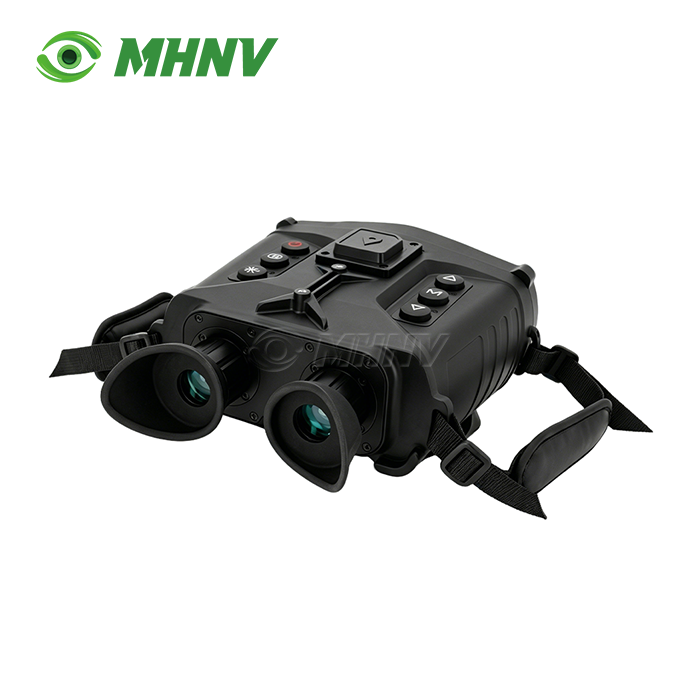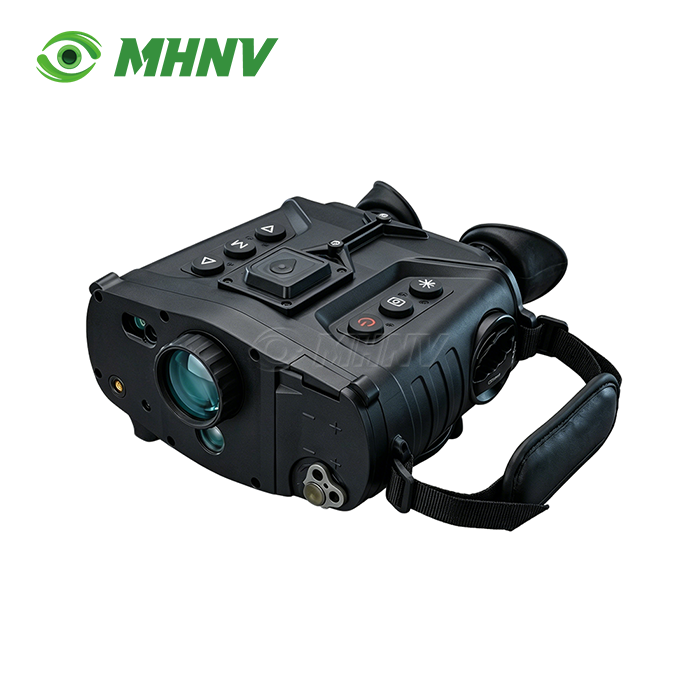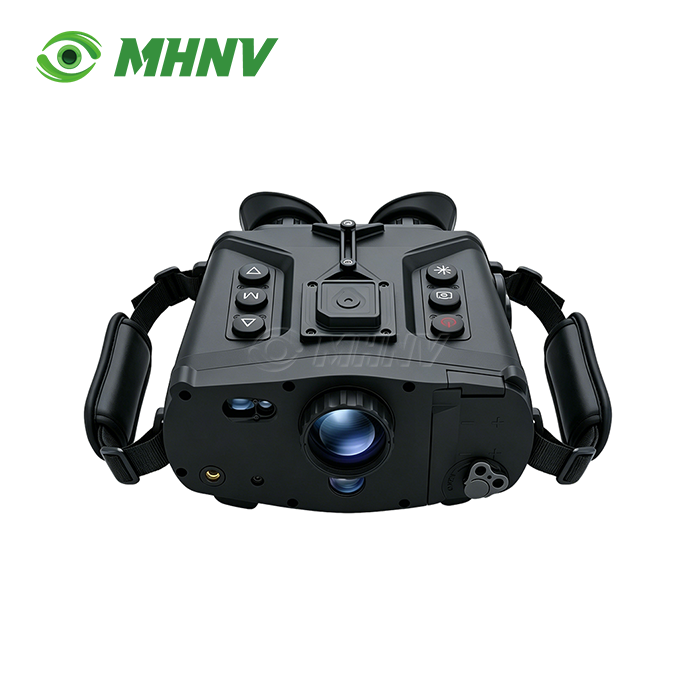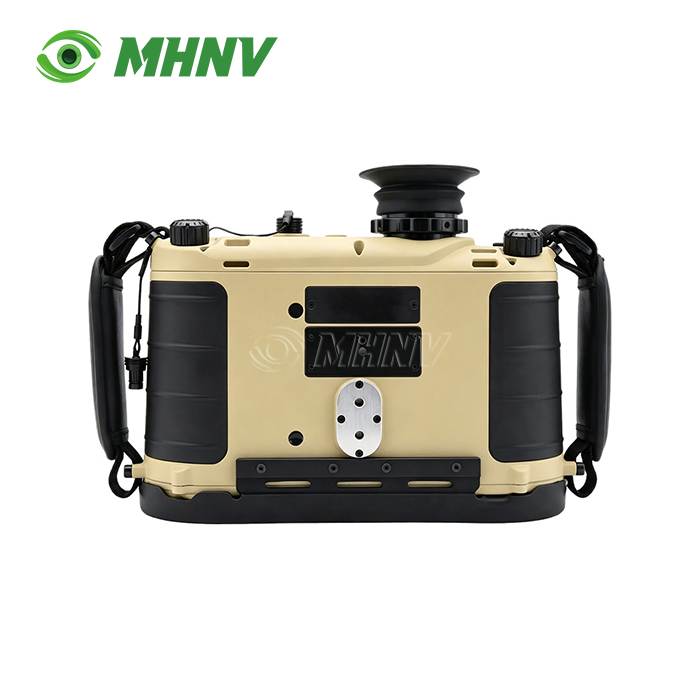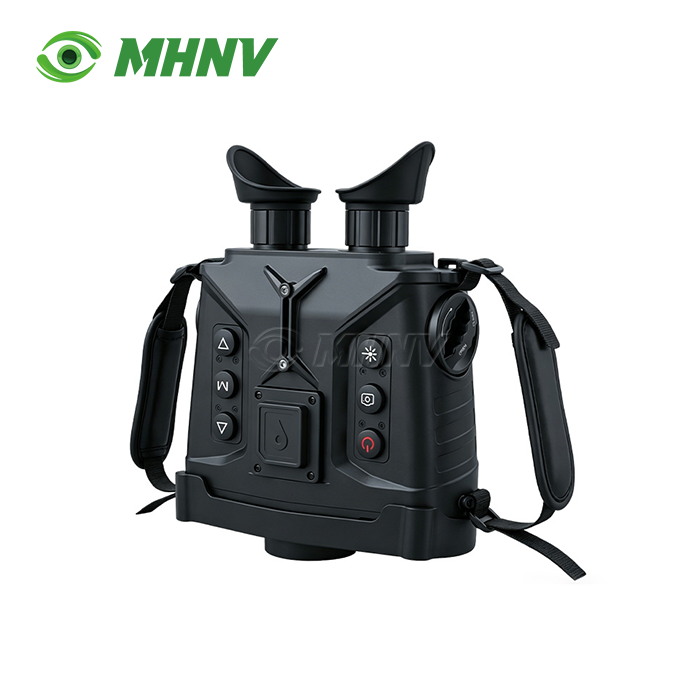
Sniper Detection System
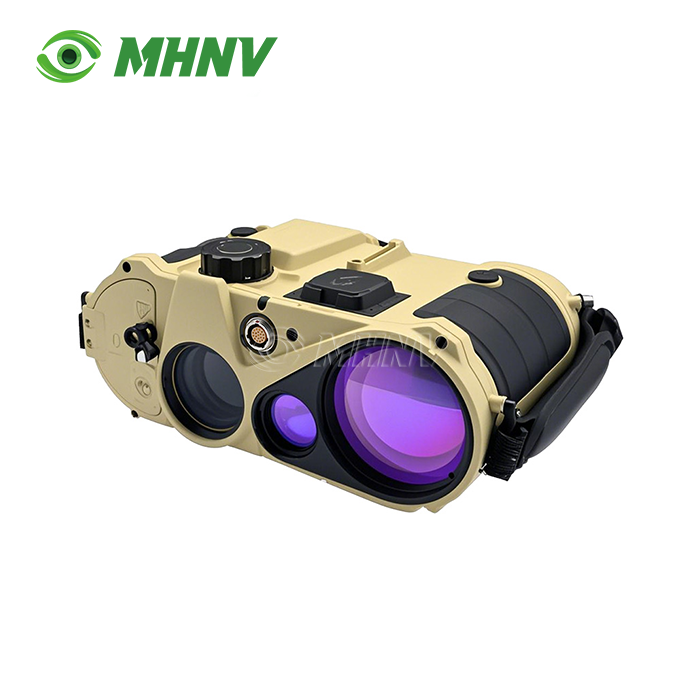
Advanced Sniper Detection System for Long-Range Target Identification and Coordinate Positioning
Detecting concealed optical observation equipment at extended distances requires specialized optoelectronic scanning technology combined with integrated positioning capabilities. Xi'an MH Electronics And Technology Co., Ltd. (MHNV®) has developed an advanced Sniper Detection System that integrates cat-eye effect laser scanning, dual-channel imaging, eye-safe laser rangefinding, and triple-constellation GNSS positioning in a compact IP66-rated body. With detection range up to ≥1500m, positioning accuracy <50m, and real-time WiFi transmission, this system delivers immediate target identification and coordinate output for security, border protection, and critical infrastructure surveillance applications.
Cat-Eye Effect Detection Technology
The main part of the detection method is the active laser scanning based on the principles of cat-eye retroreflection. The device sends near-infrared pulses over the surveillance zone and receives the retroreflective signatures of optical lenses larger than 40mm in diameter at distances from 100m to 1,500m under clear weather conditions.
It detects hidden optical instruments such as binoculars, riflescopes and camera lenses by looking at the characteristic retroreflection patterns created by their objective lenses. The scanning cycle is completed in seconds and this allows for quick sweeps of an area whether on patrol or monitoring an area from a fixed position.

Technical Specifications
| Parameter | Specification |
|---|---|
| Detection Method | Cat-eye effect laser scanning |
| Detection Range | 100m–1,500m (lens diameter >40mm, clear weather) |
| Laser Rangefinder | 50m–1,500m, ±5m accuracy, ≥95% hit rate |
| Positioning | GPS + BeiDou + electronic compass |
| Angular Accuracy | <0.5° |
| Target Coordinate Precision | Within 50m |
| Electronic Zoom | 1.0×–8.0× continuous |
| Observation Modes | Full color, defogging (<1s switching) |
| Display | Dual binocular OLED |
| Video Storage | >4 hours |
| Image Storage | >10,000 BMP format |
| Wireless Transmission | WiFi real-time video |
| Data Export | USB interface |
| Protection Rating | IP66 |
| Operating Temperature | −20°C to +55°C |
| Dimensions | 225×180×90mm |
| Weight | ≤3.0kg |
| Power | Standard 18650 lithium battery |
Integrated Ranging and Positioning Architecture
Eye-Safe Laser Rangefinder
Integrated Class 1M laser rangefinder estimates target distance 50m to 1,500m 5m accuracy with 95% hit rate in typical field settings. The eye-safe design allows for operation without any additional safety measures. Distance data is input directly to the coordinate computation engine to produce automatic target location output.
Triple-Constellation GNSS and Electronic Compass
Simultaneous GPS and BeiDou and electronic compass integrated, continuous self-positioning, angle accuracy <0.5° and target coordinate accuracy within 50m. The multi-constellation receiver holds lock under partial obstruction conditions and the solid-state compass offers reliable heading information with no mechanical drift. Standard protocol output of self-location and target coordinates for instant mapping or handoff
Dual-Channel Imaging and Observation Modes
Visible and Near-Infrared Imaging
Dual-channel architecture in Sniper Detection System captures visible light and near-infrared bands simultaneously, enabling all-weather target search, recognition, and observation. The near-IR channel maintains detection capability during low-light or hazy conditions when visible imaging degrades.
Full-Color and Defogging Modes
Two observation modes adapt to changing visibility. Full-color mode provides natural scene rendering for target identification, while defogging mode applies histogram equalization and edge enhancement to penetrate atmospheric scatter. Mode switching completes in under 1 second through a single button press, maintaining continuous observation during rapid weather transitions.
Zoom, Display, and Wireless Transmission
1x–8x Continuous Electronic Zoom
1 wide field scanning to 8 close-up identifying without lens change and mechanical adjustment by electronic zooming. Manual zoom, long focal for higher magnification for detailed study of the target. Two-zoom system provides a nice compromise between covering plenty of ground quickly, and checking out the details.
Dual Binocular OLED Display
High-contrast OLED viewfinders give sharp imaging for long periods of observation. The binocular arrangement helps prevent eye fatigue over long periods of monitoring and allows the unit to be used handheld or tripod mounted.
Built-In WiFi Video Transmission
The integrated WiFi module enables live video streaming to tablets, smartphones or remote monitoring stations and recording to internal storage. There is no need for additional gearbox hardware. Standard WiFi standards allow compatibility with existing networked infrastructure.
Data Storage and Export
The onboard storage can store more than 4 hours of continuous video recording and more than 10,000 still photos in BMP format. USB interface for immediate export of data to external drives without disassembly or proprietary software. Every recording is embedded with GPS locations and timestamp metadata for post-mission analysis.
Environmental Protection and Field Durability
IP66 certified enclosure provides dust tight sealing and protection against forceful water jets, allowing operation in rain, dust storms and coastal situations. The operating temperature range is −20 °C to +55 °C, covering alpine winters and desert summers. Rugged mechanical design withstands shock and vibration in vehicle-mounted or backpack applications.
Dimensions of only 225 × 180 × 90 mm and weight ≤ 3.0 kg provide single operator carry. Uses standard 18650 lithium battery for field replaceable power, no need for additional charging equipment.

FAQ
Q: What is the effective detection range for optical devices in typical field conditions?
A: The product achieves detection of optical lenses larger than 40mm diameter from 100m to 1,500m in clear weather using cat-eye effect laser scanning technology that identifies retroreflective signatures from binoculars, riflescopes, and camera lenses. Detection range decreases in fog, rain, or heavy atmospheric scatter, but the integrated defogging observation mode extends operational capability under reduced visibility. Maximum range is achieved when scanning perpendicular to the target lens axis.
Q: How does the system calculate and output target coordinates automatically?
A: Target coordinate calculation combines data from the eye-safe laser rangefinder (distance measurement), electronic compass (azimuth bearing), and GPS/BeiDou receiver (self-location) through an integrated coordinate calculation engine that outputs target latitude, longitude, and elevation with precision within 50m under typical GNSS conditions. Coordinates are displayed on the OLED viewfinder, logged to internal storage, and transmitted via WiFi for immediate tactical mapping or handoff to command systems.
Q: Can the device stream video to multiple remote stations simultaneously?
A: The built-in WiFi module supports real-time video streaming to tablets, smartphones, or monitoring stations using standard WiFi protocols, with simultaneous recording to internal storage that captures more than 4 hours of video and more than 10,000 still images. Multiple receiving devices can connect to the same WiFi network for distributed monitoring, and USB export enables offline data transfer without proprietary software.
Q: What environmental conditions are supported by the IP66 protection rating?
A: IP66 certification provides complete dust-tight sealing and protection against powerful water jets from any direction, supporting continuous operation in rain, dust storms, coastal spray, and field transport environments across an operating temperature range of −20°C to +55°C. The ruggedized mechanical construction withstands transport shock, vehicle vibration, and backpack carry without performance degradation.
Q: Does the eye-safe laser require special operational safety procedures?
A: The Class 1M eye-safe laser rangefinder design permits unrestricted operation without additional safety protocols, protective eyewear, or designated laser safety officers under normal use conditions where optical viewing aids are not employed directly in the beam path. All laser emission parameters meet international IEC 60825-1 safety standards for continuous field deployment.

Contact Us
For technical specifications, customization options, or ordering information for Sniper Detection System, contact our export team at sarah@mh-elec.com.
YOU MAY LIKE