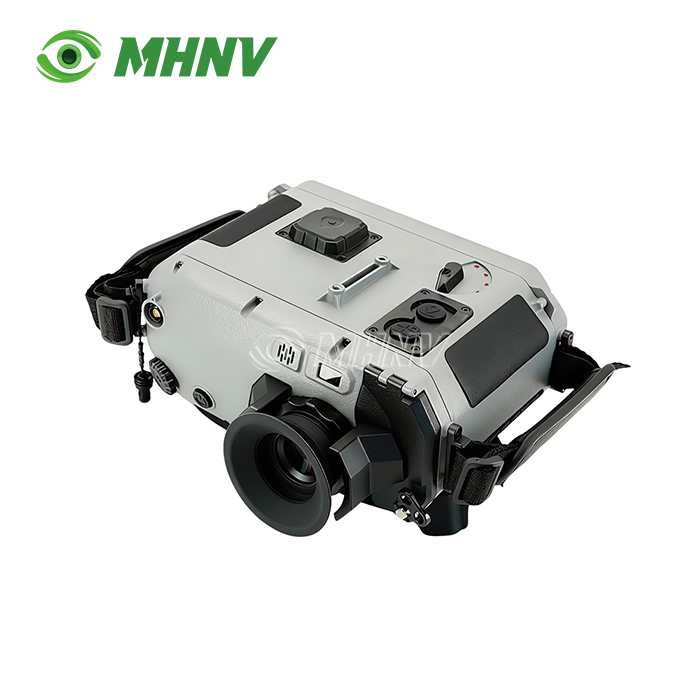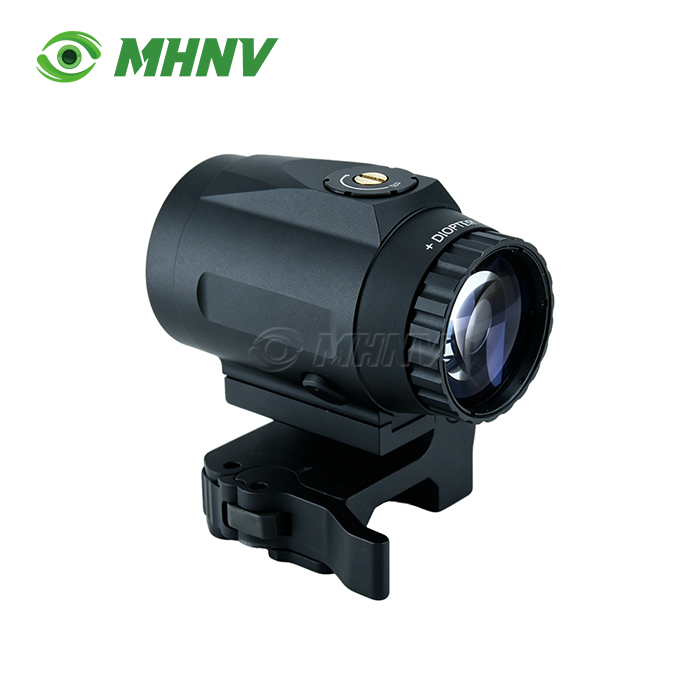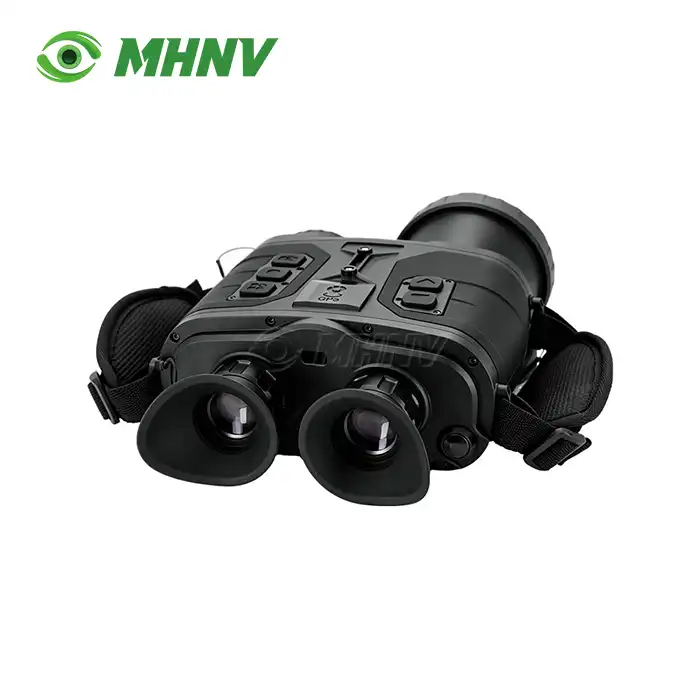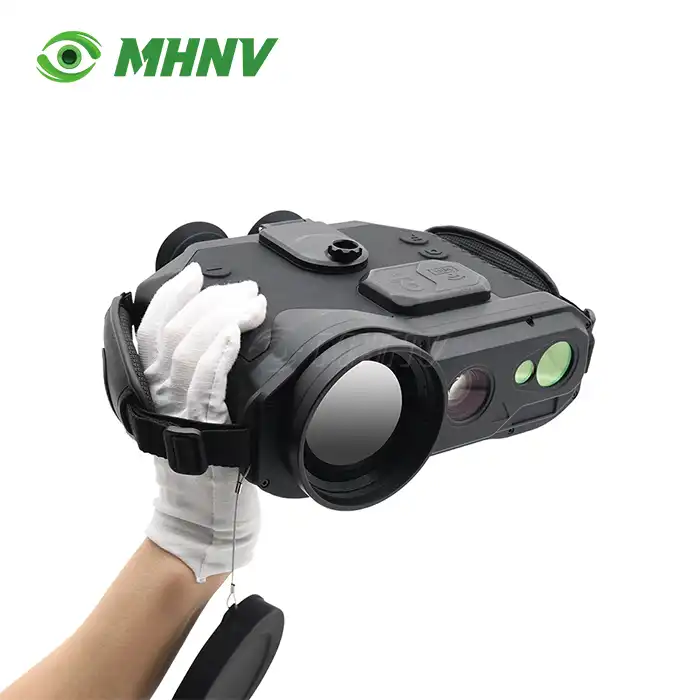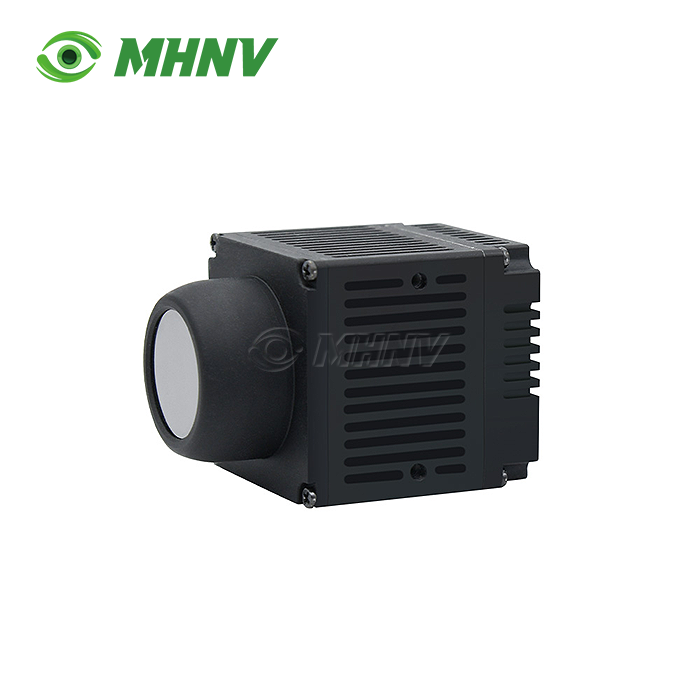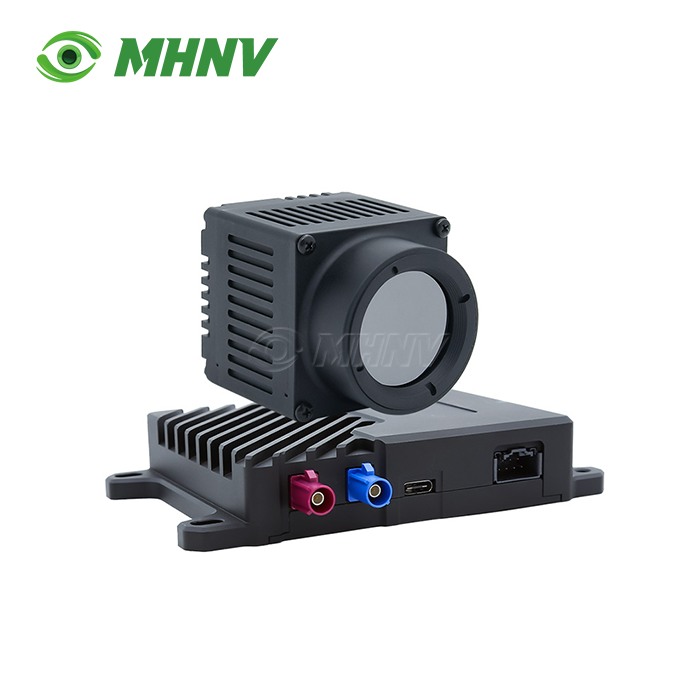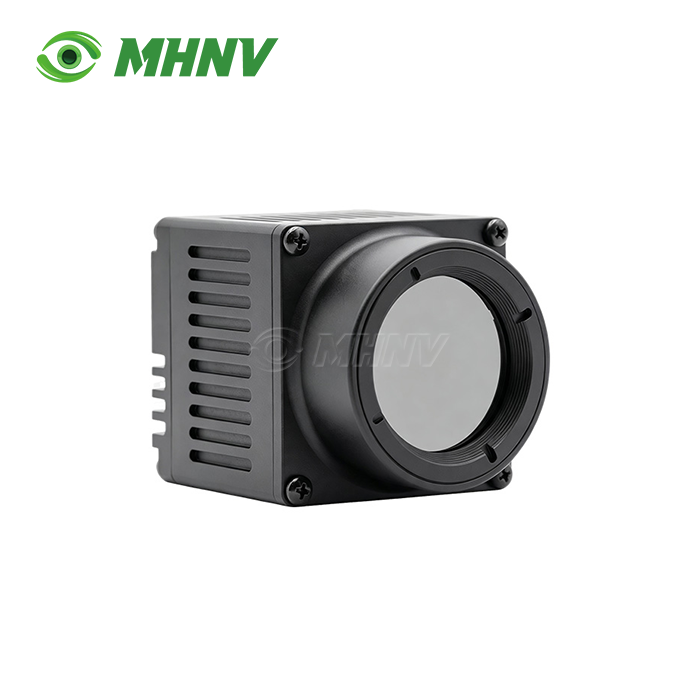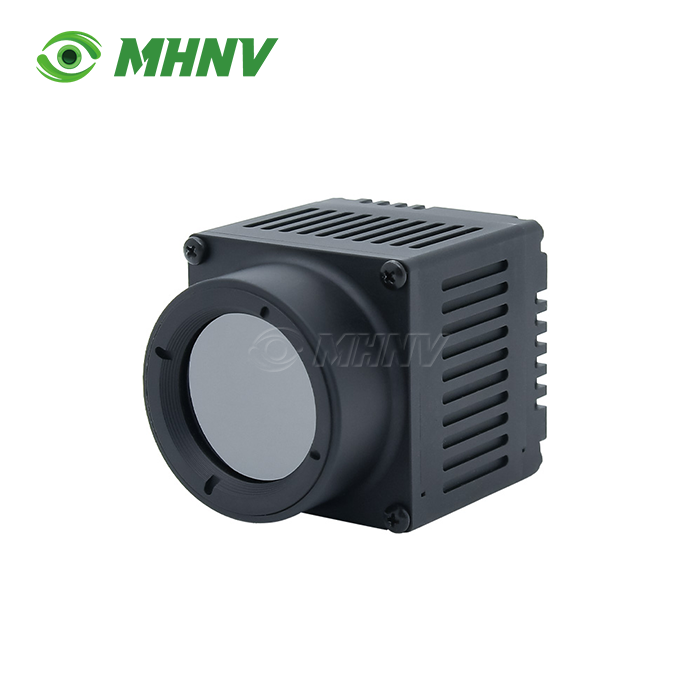
Infrared Camera Automotive
Advanced Infrared Camera Automotive Solutions for Enhanced Vehicle Safety and ADAS Integration
Xi'an MH Electronics And Technology Co., Ltd. delivers enterprise-grade Infrared Camera Automotive systems featuring VOx uncooled microbolometer technology with 384×288 and 640×512 HD detector configurations. Our thermal imaging solutions provide ≤40mK NETD sensitivity, 8–14μm LWIR spectral response, and 50Hz real-time refresh rates. Detection capabilities reach 300m for vehicles and 150m for pedestrians with 1.32mrad spatial resolution, surpassing conventional headlight range by three times while maintaining IP67 environmental protection and -40°C to 85°C operational stability.
Superior Thermal Detection for Modern Vehicle Safety
Conventional cameras that operate in the visible spectrum do not perform well under conditions such as darkness, fog, or coming glare that reduce visibility. Our product solution addresses these crucial difficulties by utilising passive thermal imaging to detect heat signatures from living beings and things.
The technology works in total darkness without the need of external illumination. Rain, snow and fog, which are so blinding to normal cameras, barely affect our thermal sensors. This all-weather capacity means that the environmental monitoring can be carried on under any atmospheric state.
Detection range up to 300 meters for automobiles, 150 meters for pedestrians. The performance gives drivers and autonomous systems a crucial reaction window of 5–8 seconds of early warning time. The system detects thermal contrast between hot subjects and cool backgrounds with superior clarity.
Technical Specifications
| Parameter | Specification |
|---|---|
| Sensor Type | VOx Uncooled Microbolometer |
| Resolution Options | 384×288px / 640×512px |
| Operating Band | 8–14μm LWIR |
| NETD Sensitivity | ≤40mK @ f/1.0 |
| Effective Focal Length | 9.1mm F#1.0 |
| Field of View | 28°×21° / 45°×37° |
| Spatial Resolution | 1.32mrad |
| Frame Rate | 50Hz / 25Hz Selectable |
| Detection Distance | Pedestrian 150m / Vehicle 300m |
| Video Output | RCA Analog (PAL/NTSC) |
| Communication | USB Type-C Interface |
| Operating Temperature | -40°C ~ 85°C |
| Protection Class | IP67 Certified |
Five Core Advantages for Automotive Integration
All-Weather Clear Imaging – The system remains unaffected by darkness, rain, snow, fog, or blinding headlight glare. Your vehicle gains consistent environmental awareness regardless of weather or lighting transitions.
Extended Detection Range – Three times farther than high-beam headlights, our sensors detect vehicles at 300m and pedestrians at 150m. This extended range provides 5–8 seconds of early warning for collision avoidance.
Passive & Interference-Free Operation – Zero signal emission means no electromagnetic interference with radar, LiDAR, or communication systems. The camera integrates seamlessly into multi-sensor ADAS architectures.
AI-Powered Living Being Detection – Advanced algorithms achieve over 95% accuracy in identifying pedestrians and animals. This precision enables Forward Collision Warning (FCW) and Automatic Emergency Braking (AEB) functions.
Automotive-Grade Reliability – Wide operating temperature range (-40~85°C), IP6K9K environmental protection, AEC-Q100 certification, and ISO 26262 (ASIL-B) functional safety compliance ensure long-term durability.
How Thermal Imaging Enhances Vehicle Safety
Standard CMOS cameras rely on reflected visible light, limiting their effectiveness to well-lit conditions. Our Infrared Camera Automotive systems detect thermal radiation in the 8–14μm Long-Wave Infrared spectrum, revealing heat signatures invisible to conventional sensors.
This thermal detection capability identifies warm objects against cooler backgrounds. Pedestrians, cyclists, and animals emit body heat that creates distinct thermal signatures. The camera processes these heat patterns to generate clear images even in total darkness.
The technology excels in scenarios where visible-light cameras fail. Tunnel entry and exit transitions no longer cause temporary blindness. Oncoming high-beam glare becomes irrelevant. Heavy fog that scatters visible light minimally affects infrared wavelengths.
Applications in Advanced Driver Assistance Systems
Nite Vision Systems improve driver awareness with heat pictures on instrument clusters or head-up displays. Because pedestrians and animals stand out as bright targets against cooler backgrounds, they alert drivers to possible dangers outside the reach of their headlights.
Redundant sensors for Level 2+ to Level 5 systems rely on Autonomous Driving Sensor Fusion. Thermal cameras are an important source of data in situations where RGB cameras struggle, such as shadows, backlighting or complex lighting conditions in urban environments.
Pedestrian and Animal Detection systems' thermal signatures are processed by standard artificial intelligence algorithms. The technology detects vulnerable road users with over 95% accuracy and automatically issues warnings or applies brakes when a risk of collision is detected.
Near-Infrared (NIR) based Driver Monitoring Systems for monitoring driver attentiveness and weariness. These devices can work through sunglasses and in low light within the cabin without distracting drivers with visible lights.

Understanding Thermal Camera Technology
LWIR sensors detect the natural heat radiation emitted by objects above absolute zero. Compared to Near-Infrared (NIR) systems that require active illumination, LWIR cameras are fully passive and do not need any power for scene illumination.
The VOx uncooled microbolometer technology eliminates the need for mechanical cooling. This design offers reduced system complexity, power consumption and maintenance requirements, along with fast startup times and long operational lifetimes.
The spatial resolution of 1.32mrad allows for good target definition at long ranges. High speed automotive applications are supported by the 50Hz refresh rate for seamless real-time images. Such criteria make sure that the system can catch up important facts in high speed driving situations.
Manufacturing Excellence and Quality Assurance
Thermal sensor calibration is carried out in vertically integrated production facilities with Class-10,000 cleanrooms at MHNV® facility. Every product unit undergoes rigorous testing including signal-to-noise ratio verification, environmental stress testing and heat sensitivity validation.
We follow ISO 9001:2015 quality management standards in our manufacturing process. Products comply with CE, RoHS, and FCC regulations. Automotive reliability testing involves shock, vibration and temperature cycling to AEC-Q100 requirements.
Each camera is provided with its own serialised quality control documentation, including measurements of thermal sensitivity, verification of detection range, and verification of environmental protection. This paperwork ensures full traceability of automotive integration projects.

Customization Capabilities for OEM Integration
MHNV® provides complete OEM and ODM customisation to suit your needs of vehicle integration. Resolution possibilities include 384×288 or 640×512 configurations depending on detection range and image quality requirements
Optical customisation adapts the field of view, focal length and magnification to the mounting location and detecting zone needs. You can change the interface language, the gain curve and the video overlay formatting to customise the firmware.
Support for mechanical integration comprises housing redesign, bracket engineering and material selection Packaging customisation includes branded boxes, multi-lingual literature and quick-start guides for end-user markets.

FAQ
Q: What distinguishes FIR from NIR in automotive thermal imaging applications?
A: FIR (Far-Infrared or Long-Wave Infrared) is a passive detection method and it detects thermal radiation released naturally by objects in the 8-14μm band. This makes it suitable for long range pedestrian and vehicle identification beyond 150m without any external illumination. NIR (Near-Infrared) systems operate in the 0.7-1.4μm range which requires active LED or laser illumination and are mostly used for short-range cabin monitoring applications such as driver attention tracking and occupant classification where high-resolution imaging under controlled lighting conditions is critical.
Q: Can thermal automotive cameras detect targets through vehicle windshields?
A: Typical vehicle glass is very absorptive to silica and blocks around 90% of the Long-Wave Infrared radiation from the 8-14μm band. This means that thermal detection through windscreens is unsuccessful. Thermal cameras outside the vehicle must be installed on the front grille assemblies, side mirror housings or bumper positions where they have a direct line-of-sight of the roadway. Near-Infrared systems with narrower wavelength ranges can realise in-cabin driver monitoring, which can efficiently penetrate the windscreen glass.
Q: How does heavy rain affect the detecting performance of thermal camera?
A: Long-Wave Infrared is far better at penetrating atmospheric fog and light precipitation than visible light. However, heavy rainfall causes attenuation of the signal as water droplets absorb the infrared radiation. The thermal cameras, however, still have considerable advantages. Warm pedestrians and cars are in strong thermal contrast to cold rain backgrounds, and detection ranges generally remain at 60-70% of dry weather ranges. Even under the same precipitation conditions, this performance is still beyond that of the visible-light cameras.
Q: Do drivers continuously view thermal camera images during normal operation?
A: Most ADAS implementations process thermal imagery in background mode without constant display to minimize driver distraction. The system is always listening for high risk heat signatures and only activates visual or auditory alarms when pedestrians, animals or vehicles are identified in critical proximity zones. Some advanced systems can provide thermal images on the head-up display or the instrument panel when driving at nite or when a dangerous situation is recognised.
Q: What is the frequency of calibration for vehicle thermal cameras?
A: Properly installed, professional-grade systems are designed to last the life of the vehicle and not require routine recalibration. Recalibration is only required if the mounting brackets are disrupted, there is front-end collision damage or replacing the windscreen changes the mounting geometry. Verification processes use unique infrared alignment targets and involve the use of authorised technician equipment to guarantee detection zone accuracy and system performance is in accordance with original specifications.

Partner With MHNV® for Thermal Imaging Excellence
Contact our technical team at sarah@mh-elec.com for detailed Infrared Camera Automotive specifications, customization options, and project consultation tailored to your automotive integration requirements.
YOU MAY LIKE