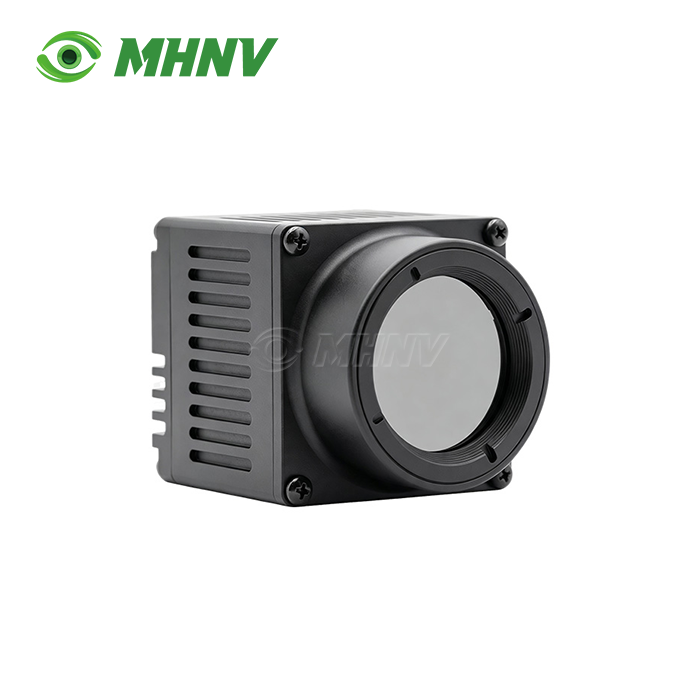
Automotive Thermal Car Camera
Automotive Thermal Car Camera – Advanced LWIR Vision System for Enhanced Vehicle Safety and All-Weather Detection
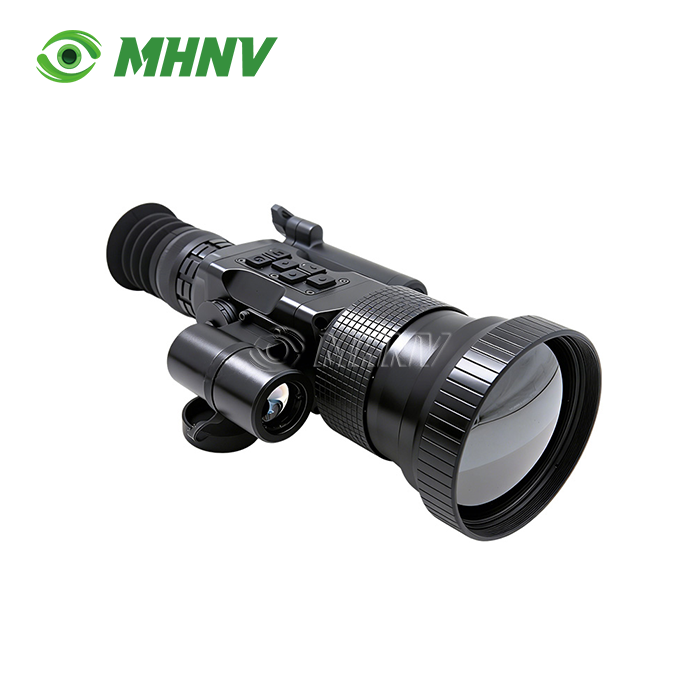
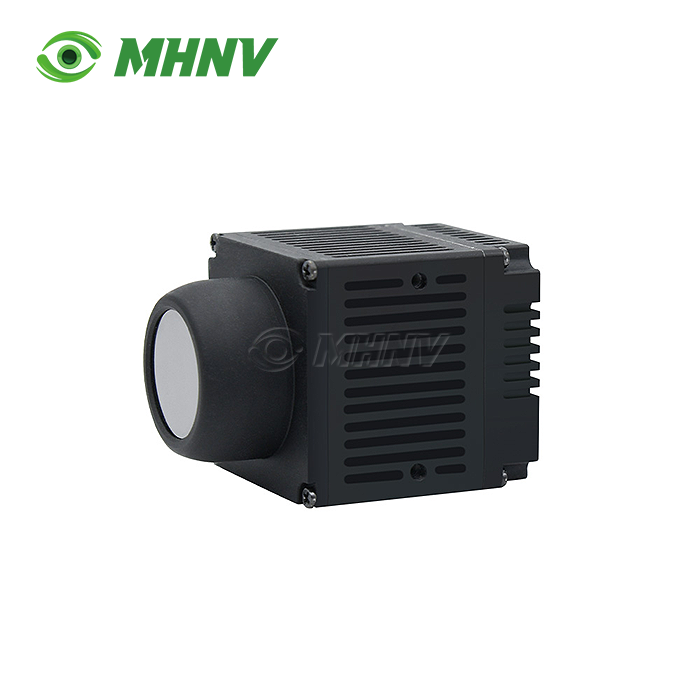
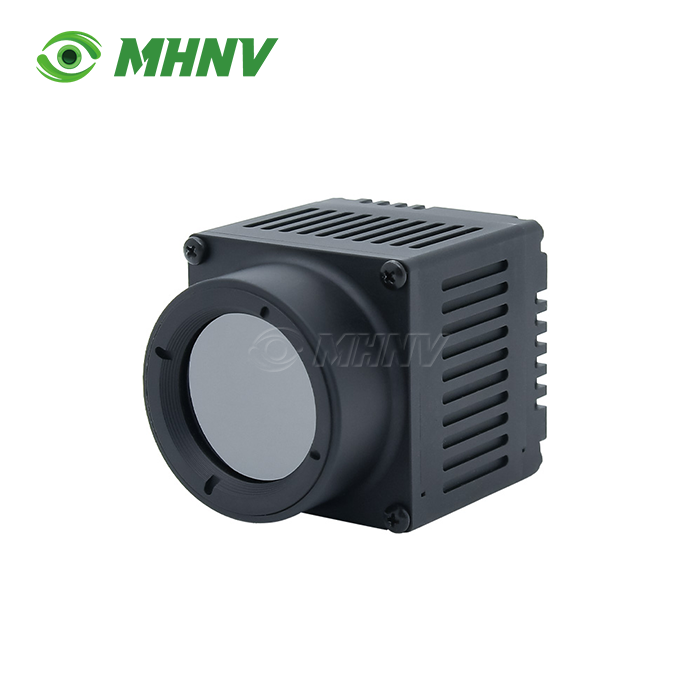
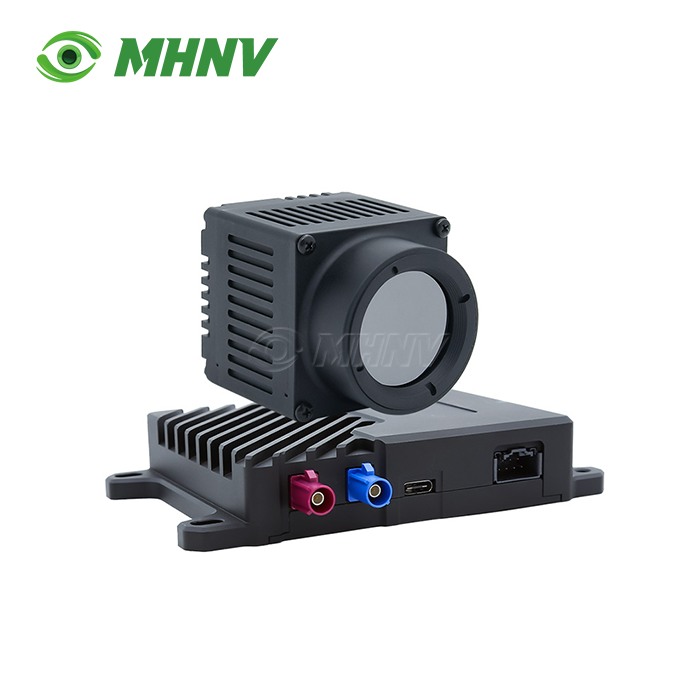
Modern driving environments demand reliable perception systems that function beyond the limitations of visible light. MHNV®'s Automotive Thermal Car Camera integrates uncooled VOx microbolometer technology with 384×288 or 640×512 resolution sensors, delivering exceptional thermal sensitivity with NETD ≤40mK at f/1.0. Operating across the 8-14μm LWIR spectrum, this enterprise-grade thermal imaging solution enables vehicle perception systems to detect pedestrians at 150m and vehicles at 200m, providing critical early warning capabilities. With IP67-rated protection, wide operating temperature range from -40°C to 85°C, and 50Hz frame rate output via RCA interface, this system meets stringent automotive-grade reliability standards for ADAS integration and autonomous driving applications.
Why Choose MHNV® Automotive Thermal Imaging Solutions?
MHNV® has over 12 years of automotive full-stack thermal imaging experience. We don't have trade firms. We do everything ourselves, from optical design to FPGA processing to embedded firmware development to precision manufacturing.
Our integrated engineering approach means more consistent products. Each device is rigorously tested for SNR, resolution and environmental validation. Our manufacturing facilities are equipped with Class-10,000 cleanrooms and expert metrology laboratories, where we deliver thermal cameras that fulfil ISO 9001:2015, CE, and RoHS compliance standards.
We serve customers in over 60 countries and our ODM services offer total customisation, from modifying optical parameters to designing firmware interfaces and re-engineering housings, so you get tailor-made solutions that fit like a glove in your vehicle architecture.

Technical Specifications
| Parameter | Specification |
|---|---|
| Detector Type | Uncooled VOx Microbolometer |
| Resolution Options | 384×288 px / 640×512 px |
| Operation Band | 8-14μm (LWIR) |
| NETD | ≤40mK @f/1.0 |
| Effective Focal Length | 9.1mm F#1.0 |
| Field of View | 28°×21° / 45°×37° |
| Spatial Resolution | 1.32 mrad |
| Frame Rate | 25Hz / 50Hz |
| Detection Range (384×288) | Pedestrian: 80m / Vehicle: 100m |
| Detection Range (640×512) | Pedestrian: 150m / Vehicle: 200m |
| Video Output Interface | RCA |
| Video Format | Analog CVBs (PAL: 720×576px / NTSC: 720×480px) |
| Communication Interface | USB Type-C |
| Operating Temperature | -40°C to +85°C |
| Protection Class | IP67 |
| Storage Temperature | -40°C to +85°C |
Core Performance Advantages
All-Weather Reliable Operation: Your perception system remains fully functional regardless of environmental challenges. The product operates effectively through darkness, rain, snow, and fog. It remains completely immune to glare from oncoming headlights or direct sunlight, ensuring consistent performance when visible light cameras fail.
Extended Detection Range: This system detects vehicles up to 200m and pedestrians up to 150m—three times farther than conventional high beams. This extended range provides 5-8 seconds of additional reaction time, significantly improving safety margins for decision-making systems.
Passive Sensing Technology: Operating as a completely passive sensor, the camera emits no signals and generates zero electromagnetic interference. This characteristic allows seamless integration with radar, LiDAR, and other active sensor systems without cross-talk issues.
AI-Ready Living Target Detection: Advanced algorithms achieve over 95% accuracy in identifying pedestrians and animals. The thermal signature differentiation supports Forward Collision Warning (FCW) and Autonomous Emergency Braking (AEB) functions with superior false-positive rejection rates.
Automotive-Grade Durability: Designed to withstand harsh automotive environments, the system operates reliably across temperatures from -40°C to +85°C. IP67 protection ensures resistance against water ingress and dust contamination, while design compliance with AEC-Q100 certification and ISO 26262 (ASIL-B) functional safety standards guarantees long-term reliability.
Key Application Scenarios
Advanced Driver Assistance Systems Integration: The Automotive Thermal Car Camera serves as a critical redundant sensor layer for Level 2+ ADAS deployments. It provides reliable pedestrian detection when shadows, backlighting, or tunnel transitions compromise RGB camera performance.
Autonomous Vehicle Perception Stacks: For Level 3-5 autonomous platforms, this thermal imaging solution adds an essential perception modality. When LiDAR pulses scatter in fog or dust and radar struggles with stationary object classification, thermal signatures maintain continuous hazard awareness.
Commercial Fleet Safety Enhancement: Long-haul trucking operations, mining equipment, and agricultural machinery benefit from 24/7 operational visibility. Thermal detection prevents costly collisions with wildlife on rural highways and enhances safety in low-visibility industrial zones.
Smart City Infrastructure: Traffic monitoring systems utilize thermal detection for vehicle counting and queue length measurement regardless of lighting conditions. The technology enables consistent data collection across day-night cycles without illumination infrastructure.

Quality Control and Manufacturing Excellence
Rigorous quality verification procedures for automotive-grade reliability are employed at MHNV®. All products are tested under rigorous environmental testing including thermal cycling covering ISO 16750-4 standards to ensure operation under severe temperature conditions.
Mechanical vibration and shock testing according to ISO 16750-3 requirements replicate long-term exposure to road stress. Water Jet (High Pressure) Testing – Verifies the hermetic sealing integrity to IP69K.
Individual calibration of key performance metrics. NETD and uniformity verification ensure the thermal picture quality is constant across a range of environmental circumstances. Lens heater test indicates speedy de-icing capacity for winter operations.
CISPR 25 Electromagnetic Compatibility Testing of Vehicle Electronic Control Units Avoids Interference With every product supplied comes serialised QC paperwork with measured performance data.
Customization and Integration Support
MHNV® provides full-stack engineering capability to deliver total ODM customisation. It is possible to define optical characteristics like adjustment of the field of view, optimisation of the focal length and selection of the lens coating according to your detection range needs.
Firmware customisation to meet your interface requirements. We can customise the video overlay formats, gain curves and bespoke communication protocols such as WiFi or Bluetooth streaming functions.
The same emphasis is placed on mechanical integration. Redesign for housing to fit your growing limits. The material can be aluminium alloy, magnesium alloy or specialised polymers. Brand your product with logo customisation and branded packaging.
Our engineering staff offers immediate technical consultation during integration. From the first optical simulation to the final environmental certification, you collaborate with specialists that understand thermal imaging physics and automotive system requirements.

FAQ
Q: How is thermal imaging better than visible light cameras for driving at nite?
A: Thermal cameras detect infrared light emitted by all things above absolute zero . They create images based on heat fingerprints , not reflected light . This basic distinction means that the product can visualise pedestrians, animals and cars by their body heat or engine warmth, irrespective of ambient light conditions. Thermal sensors work just as well in total darkness, fog or smoke, unlike visible light cameras which need external illumination and suffer from headlight glare. The technology boasts detection ranges of up to 150-200 meters down the road, well beyond the effective range of ordinary headlights (50-70 meters), allowing perception systems crucial additional seconds to recognise threats and respond.
Q: Can thermal cameras operate reliably in extreme temperature environments?
A: Yes, automotive-grade thermal imaging systems like the solution from MHNV® are designed to work from -40°C to +85°C. The uncooled VOx microbolometer has temperature adjustment algorithms integrated in the software to provide steady NETD performance over this range. Units suitable for deployment in cold climates have an automated lens heater element that activates at low temperature to prevent the formation of ice and snow on the germanium optical window. Thermal management systems protect sensor electronics during high-temperature summer activities or when located near engine compartments. The broad operating range is confirmed by manufacturing quality control thermal cycling tests according to ISO 16750-4 standards.
Q: How is heat detection integrated into existing ADAS sensor fusion architectures?
A: The product is a supplementary perception layer for multi-sensor fusion frameworks. It outputs standard video formats via RCA interface and communicates via USB type C for configuration and delivery of metadata. Thermal imaging is passive, meaning it does not transmit signals and hence does not electromagnetically interfere with radar or Lidar devices. Sensor fusion methods are used to generate robust environmental models by combining thermal object detection with radar velocity data and LiDAR point clouds. Thermal data allows continued danger tracking when optical sensors lose contrast (fog, backlight) or LiDAR returns become weak (rain, snow), thereby lowering false negatives in pedestrian detection systems.
Q: What is the expected detection accuracy for different categories of objects?
A: Detection performance is a function of the target thermal signature strength, ambient conditions, and sensor resolution. At the 640x512 resolution configuration, the system can consistently recognise adult pedestrians at 150m and normal automobiles at 200m. Classification methods achieve over 95% accuracy in identifying pedestrians, animals and vehicles by examining thermal signature patterns and motion features using artificial intelligence. Smaller items, such as motorcycles or toddlers, may be detected at correspondingly closer distances. Sophisticated image processing compensates for atmospheric attenuation providing adequate image quality (even in mild fog) where visible light sensors totally fail. For essential safety applications cautious detection range specifications are provided to cover worst-case atmospheric conditions.
Q: Is frequent maintenance or calibration of the thermal camera necessary?
A: Today's automobile thermal cameras use shutterless calibration technology, which performs autonomous internal calibration cycles without driver engagement. The solution constantly checks the sensor drift and provides real-time adjustment to keep the image uniform. Older methods required the shutter to be cycled manually . This method ensures continuous operation . Maintenance is low on the outside, occasional cleaning of the germanium lens glass keeps the IR transmission at its best. The IP67-rated housing protects the internal components from contamination by the environment. over fleet deployments, manufacturers advocate annual functional verification to ascertain detection range performance and video output quality, but the robust design typically enables specification compliance to be maintained over the operating lifetime of the product without adjustment.
Partner With MHNV® for Automotive Thermal Solutions
Contact our engineering team at sarah@mh-elec.com to discuss your specific Automotive Thermal Car Camera integration requirements and request detailed technical specifications tailored to your application.
YOU MAY LIKE