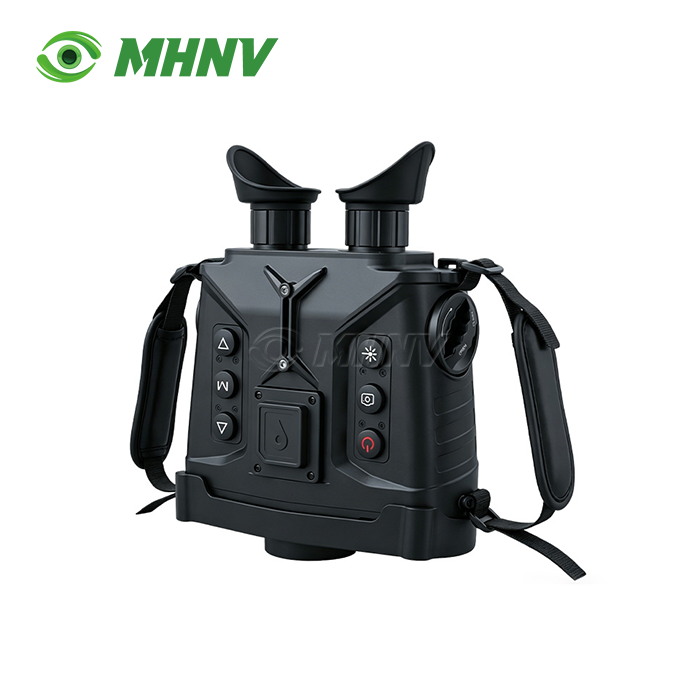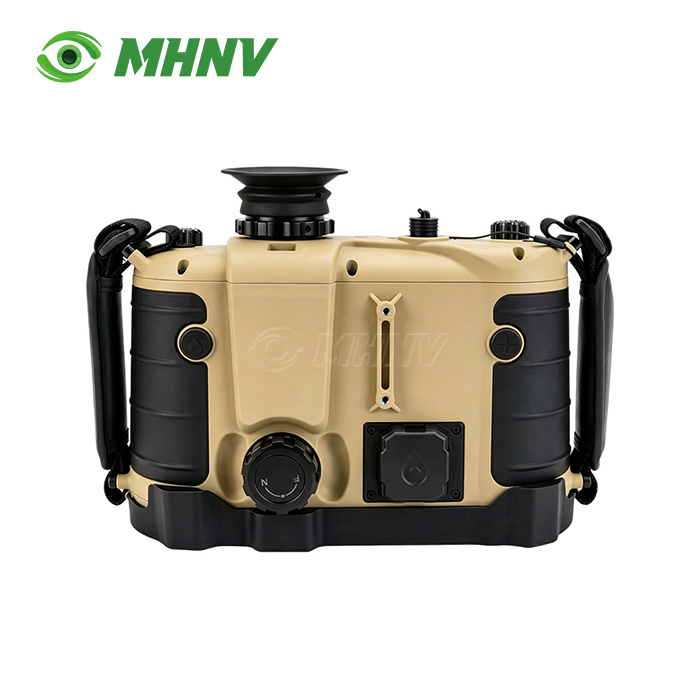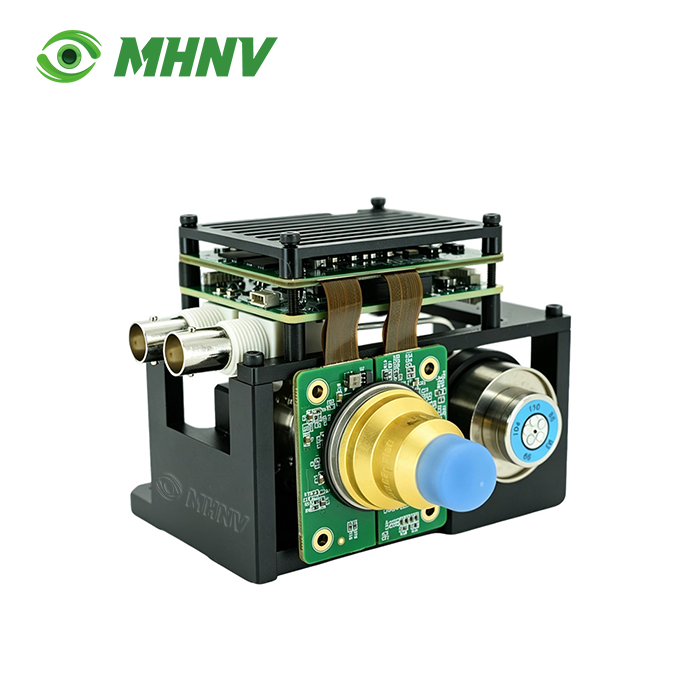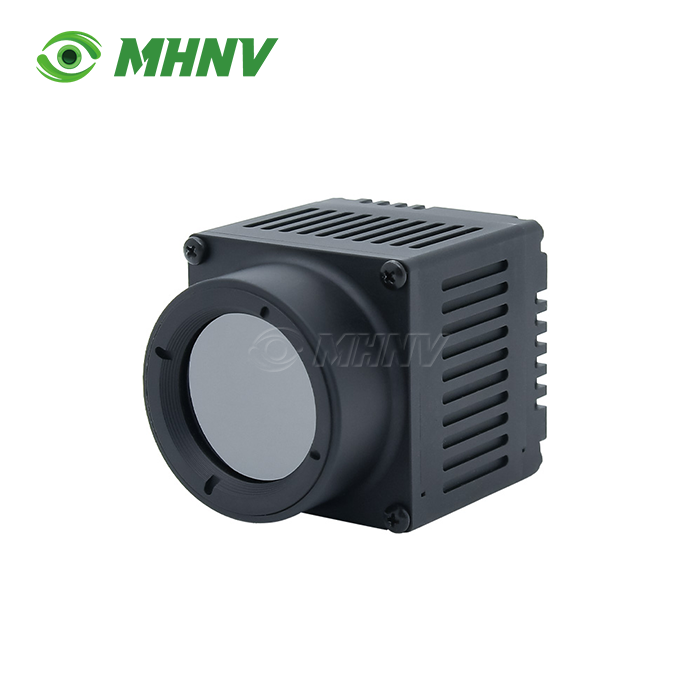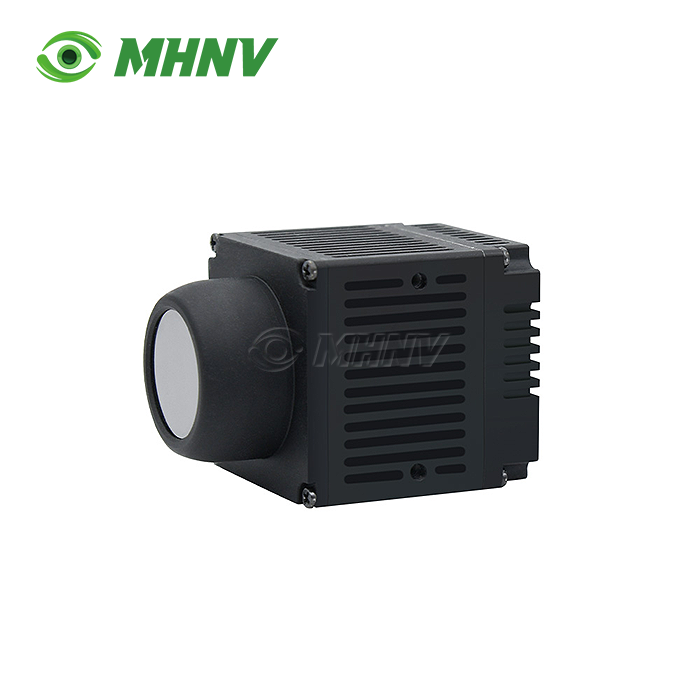
Infrared Automotive Camera
Infrared Automotive Camera | Advanced Thermal Detection Solution for Night Vision & All-Weather ADAS Applications
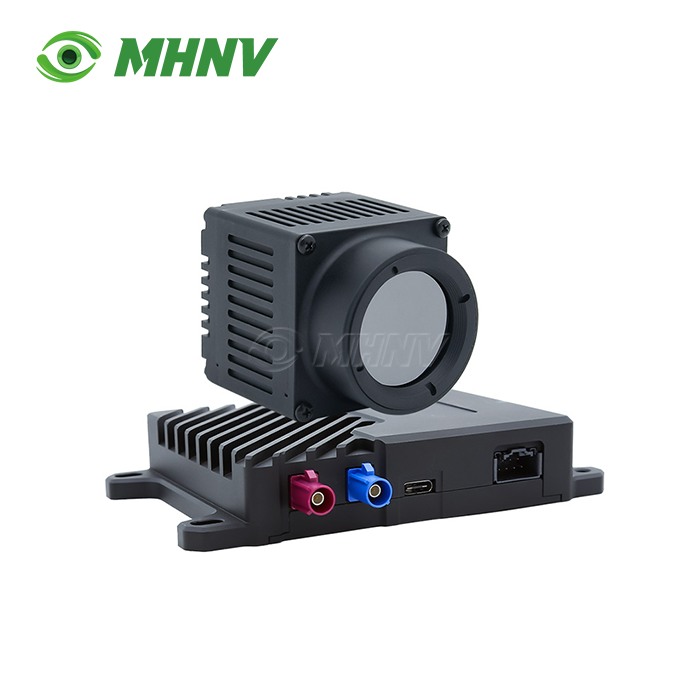
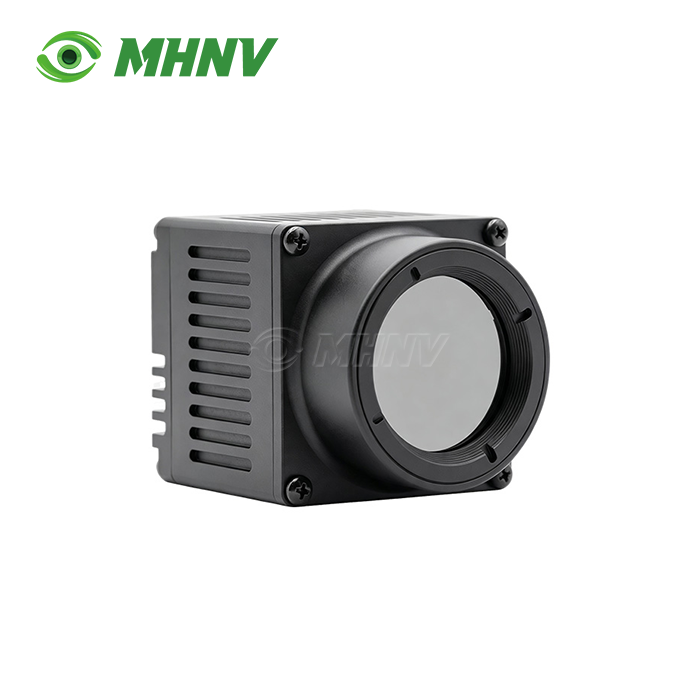
The Infrared Automotive Camera is a breakthrough in vehicle safety, employing uncooled vanadium oxide microbolometer technology to bring thermal imaging capabilities to sophisticated Driver Assistance Systems. The MHNV® provides professional grade solutions with 384×288 and 640×512 pixel arrays, working in the 8~14μm LWIR band with excellent NETD performance of ≤40mK. The thermal sensors are enterprise-grade and have the ability to detect pedestrians at a distance of up to 150m and identify vehicles further than 200m, three times the range of standard high-beam systems with a critical early warning period of 5-8 seconds. Our systems are designed to automotive grade reliability and are AEC-Q100 certified to function without fail in temperature extremes from -40°C to +85°C.
Why Passive Thermal Sensing Redefines Automotive Safety?
Conventional cameras operating in the visible spectrum are ineffective in low illumination situations or with air interference. The main advantage of thermal detection is that it is passive, i.e. it detects heat signatures without any signals being radiated.
The method solves three big problems: the limiting of the range of headlights, the visual impairment caused by glare from incoming cars and the failure to detect in fog or smoke. These devices do not depend on the surrounding light conditions since they detect the heat radiation that is naturally emitted by live beings. The 8-14μm spectral range may detect temperature variations as small as 40 millikelvin, turning heat patterns into actionable safety data.
The integration of radar and LiDAR enables robust sensor fusion structures. Electromagnetic sensors are good at distance measuring, whereas thermal imaging is better at object classification (e.g., identifying pedestrians from immovable objects), which is a key feature for Level 2+ autonomous systems.
Technical Specifications
| Parameter | Specification |
|---|---|
| Operation Band | 8-14μm (LWIR) |
| Detector Type | Uncooled VOx Microbolometer |
| Resolution Options | 384×288px / 640×512px |
| NETD Sensitivity | ≤40mK @f/1.0 |
| Effective Focal Length | 9.1mm F#1.0 |
| Field of View | 28°×21° / 45°×37° |
| Spatial Resolution | 1.32mrad |
| Frame Rate | 25Hz / 50Hz |
| Detection Range (384) | Pedestrian 80m / Vehicle 100m |
| Detection Range (640) | Pedestrian 150m / Vehicle 200m |
| Video Output | RCA Analog (CVBS) |
| Output Resolution | PAL 720×576px / NTSC 720×480px |
| Communication | USB Type-C |
| Operating Temperature | -40°C to +85°C |
| Storage Temperature | -40°C to +85°C |
| Ingress Protection | IP67 |
Performance Advantages You Can Measure
All-Weather Clarity: Thermal radiation penetrates rain, snow, and fog barriers that blind conventional sensors. Unlike visible-light systems vulnerable to headlight glare or sunlight washout, these cameras maintain consistent performance regardless of external illumination changes.
Extended Detection Envelope: The 640×512 configuration identifies vehicles at 200 meters—three times farther than halogen high beams. This extended range translates to 5-8 seconds of additional reaction time at highway speeds, creating sufficient margin for emergency braking or evasive maneuvers.
Electromagnetic Silence: Passive sensing eliminates interference concerns with collision-avoidance radar, 5G V2X communications, or electromagnetic compatibility requirements. Zero signal emission simplifies integration into complex electronic architectures.
AI-Ready Architecture: Pre-processed thermal data feeds directly into convolutional neural networks trained for living-being classification. Our systems achieve >95% accuracy in pedestrian and animal identification, enabling reliable Forward Collision Warning and Automatic Emergency Braking triggers.
Automotive-Grade Durability: AEC-Q100 qualification ensures semiconductor reliability through 1000-hour thermal cycling tests. IP67 sealing protects against high-pressure wash systems, while ISO 26262 ASIL-B compliance meets functional safety requirements for safety-critical ADAS functions.
How Thermal Detection Integrates Into Vehicle Architectures?
Modern sensor fusion devices combine various modalities of detection to provide redundancy. Radar measures velocity, LiDAR gives 3D point clouds and visible cameras interpret traffic signs. The Infrared Automotive Camera covers the important void of biological target detection in impaired optical situations.
Integration takes place on three levels. On the hardware side, RCA analogue output goes to current head-unit displays, and USB Type-C offers firmware updates and diagnostic access. The thermal video stream is sent to central processing units where artificial intelligence algorithms classify objects in real time.
At the middleware level, Kalman filtering is used to fuse thermal signatures with radar tracks. The confidence ratings increase considerably when thermal and electromagnetic sensors affirm a target simultaneously, minimising the high false-alarm rates that afflict single-modality systems.
Threat assessment techniques compute time-to-collision parameters at the application layer. If heat data identifies a pedestrian in the danger zone and radar confirms closing velocity, the system delivers graduated warnings from dashboard notifications to haptic steering feedback to autonomous braking assistance.

Deployment Scenarios Where Thermal Excels
Rural Highway Safety: Animal-vehicle collisions are most frequent during transition periods of dawn and dark when wildlife activity is increasing and visibility is poor. Thermal cameras can detect warm-blooded animals at the roadside before they enter traffic lanes, providing alerts not feasible with traditional sensors.
Urban Nite Operations: RGB cameras cannot detect pedestrians dressed in black clothes at poorly-lit junctions. The garment colour or reflectivity does not matter when heat signature detection is used to find targets using body heat, and it addresses one of the key reasons for pedestrian deaths at nite.
Performance in Adverse Weather: Fog droplets reflect visible light, but transmit infrared. Thermal cameras can continue to function during heavy fog occurrences that decrease visibility to less than acceptable stopping distances by measuring temperature differences through moisture barriers.
Tunnel Transition Adaptation: Visible cameras require seconds to adapt exposure settings when entering tunnels from bright sunlight. Thermal sensors are not affected by an adaptation delay, because they measure radiated radiation instead of reflected light, and so can observe continuously through brightness changes.

Maintenance Requirements for Long-Term Reliability
With a professional thermal system established correctly, there is no need for intervention. There are no scheduled replacement cycles; the sealed detector enclosure has no moving parts or consumable elements.
Performance is directly related to lens cleanliness. Mud or salt deposits in the road spray hinder infrared transmission, producing blind spots. Regular washing keeps the lenses optically clear. Premium models have built-in heating elements to prevent ice build-up.
After repairs to the front end accident or after bracket changes you will need to check the mechanical alignment. Professional recalibration with thermal reference targets ensures the detection zone to match the vehicle travel path. Our technical team assists with field verification operations remotely.
Firmware updates via USB connectivity add enhanced detecting algorithms as AI models progress. Over-the-air updates can be sent to cloud-connected fleets, improving categorisation accuracy incrementally without hardware changes.
FAQ
Q: How is Far-Infrared different from Near-products?
A: Long-wave infrared (8-14μm) devices are passive thermal sensors that measure the heat radiated by objects. They do not require any external illumination and are therefore well suited for long-range detection of pedestrians in complete darkness. Near-Infrared cameras are active systems that work in the 0.7-1.4μm range and require dedicated LED illuminators. They are mainly used for short-range cabin monitoring applications such as driver fatigue detection where high-resolution facial feature tracking is required under controlled lighting conditions with a low power consumption.
Q: Can thermal radiation pass through ordinary car window glass?
A: Standard automotive windscreen and window glass contains silicate compounds that absorb and reflect Long-Wave Infrared light in the 8-14µm range rendering it opaque to thermal cameras. This physical limitation requires mounting outside the vehicle, such as in the front grille, in the side mirror housing, or in special inserts for the germanium window that transmits infrared wavelengths. Near-Infrared technology is common in interior cabin monitoring systems since shorter wavelengths can pass through glass, and external thermal cameras require an unobstructed atmospheric path to the target zone to properly detect heat signatures.
Q: How does heavy precipitation affect thermal camera performance?
A: Water droplets absorb infrared light in the 8-14μm region, resulting in a signal attenuation proportionate to the rain rate. Heavy rain can reduce the effective range by 20-30% compared to clear conditions. Nevertheless, the thermal contrast between warm pedestrians (surface temperature typically 32–37°C) and cold rain droplets (sometimes below 15°C) is still much larger than visible-light contrast reduction. This differential advantage enables for prolonged operation while conventional cameras undergo complete washout with compression of detection ranges necessitating compensating algorithm tweaks to maintain reliable threat assessment in extreme weather conditions.
Q: Does the system show continuous video to drivers?
A: The majority of automotive systems work in background monitoring mode. Thermal processing is done within embedded ADAS controllers which continuously analyse heat signature trends without visualising for the driver. The thermal video feed is activated only when artificial intelligence algorithms detect high-probability risks, such as pedestrians in the travel route, and activates head-up display overlays or instrument cluster warnings that emphasise danger zones. Such selective presentation protects the driver from being distracted during regular operation, but ensures that the driver is immediately aware of threats detected by heat sensors, which visible-spectrum perception may miss.
Q: What are the calibration intervals for the system?
A: Automotive-grade thermal cameras are calibrated in the factory at the time of manufacture and non-uniformity correction matrices are stored in onboard memory. These matrices are designed to retain the calibration during the life of the vehicle without regular recalibration. Such occurrences that disrupt the mounting geometry are front-end collision repairs, bracket replacement or suspension adjustments that affect ride height. Mechanical realignment is only essential after such events. Post-repair verification uses infrared alignment targets at standard distances to validate that the centerline of the detection zone is aligned with the vehicle travel route within angular tolerances defined in the ISO 17215-4 specifications for the accuracy of the ADAS sensor installation.

Contact Us for Custom Integration Solutions
MHNV® delivers complete OEM/ODM customization for Infrared Automotive Camera systems, from detector selection through firmware development. Reach our engineering team at sarah@mh-elec.com to discuss your specific integration requirements.
YOU MAY LIKE