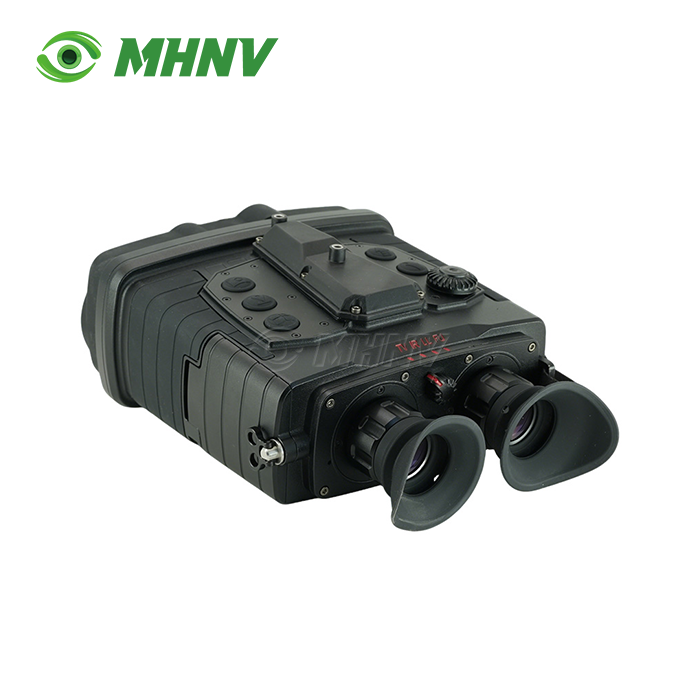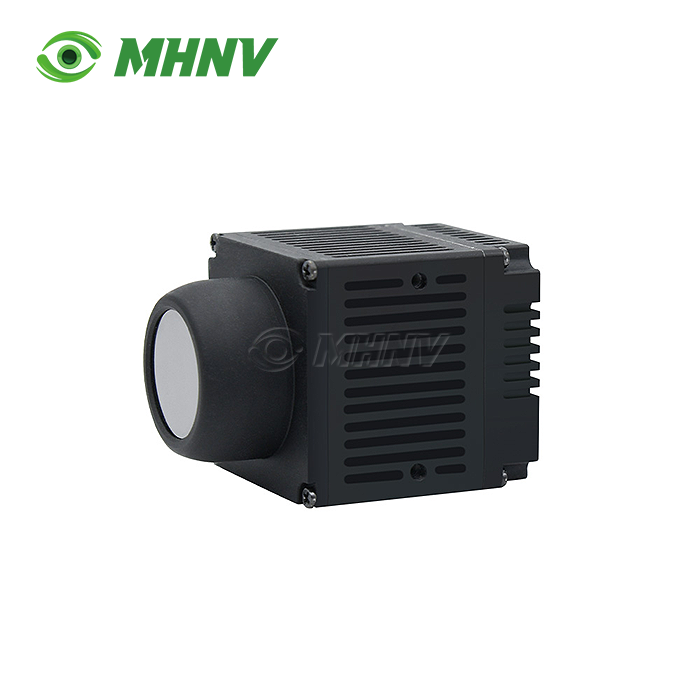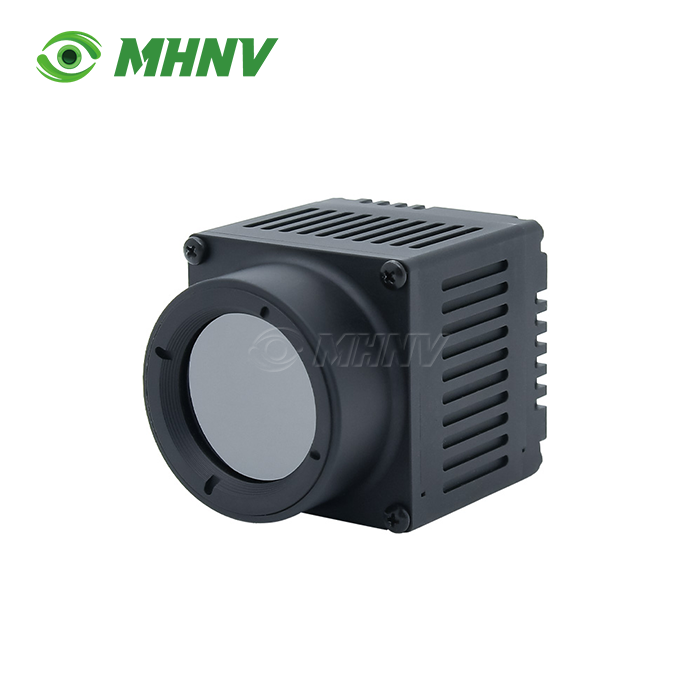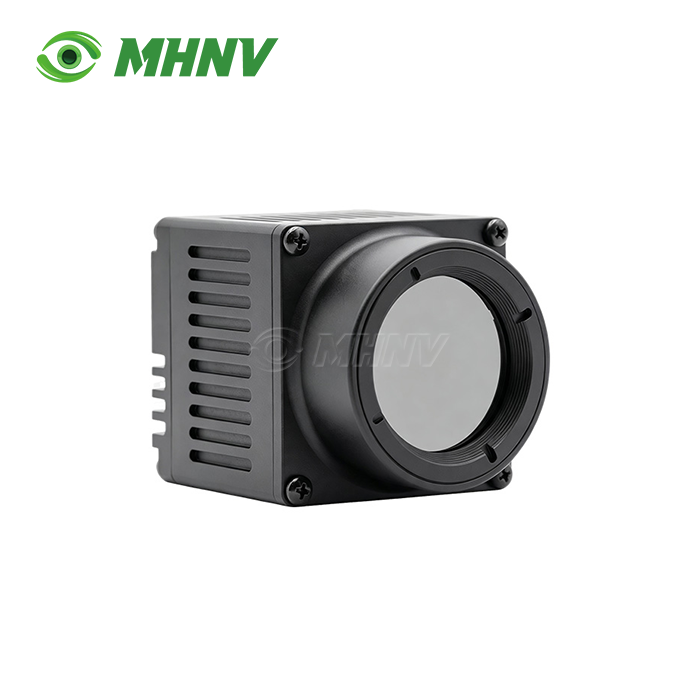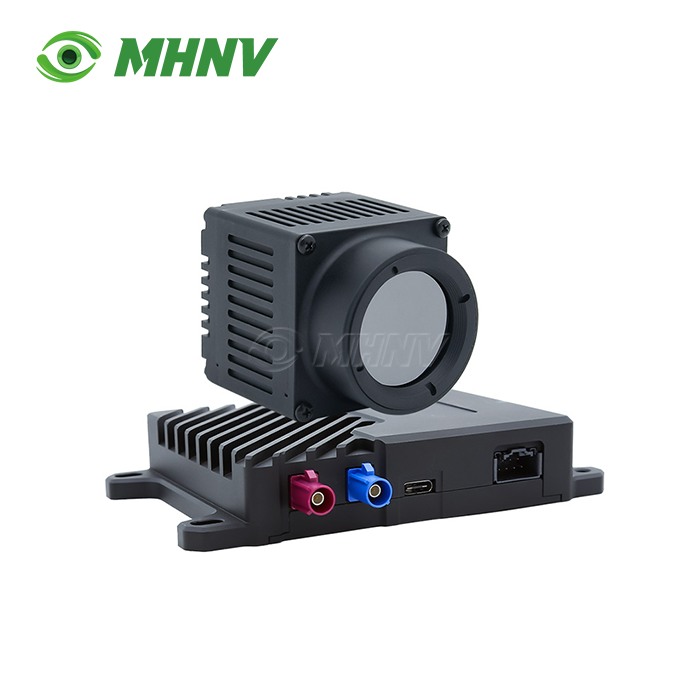
Infrared Night Vision Camera For Cars
Infrared Night Vision Camera For Cars – Automotive-Grade Thermal Imaging Solution for Enhanced Safety and ADAS Integration
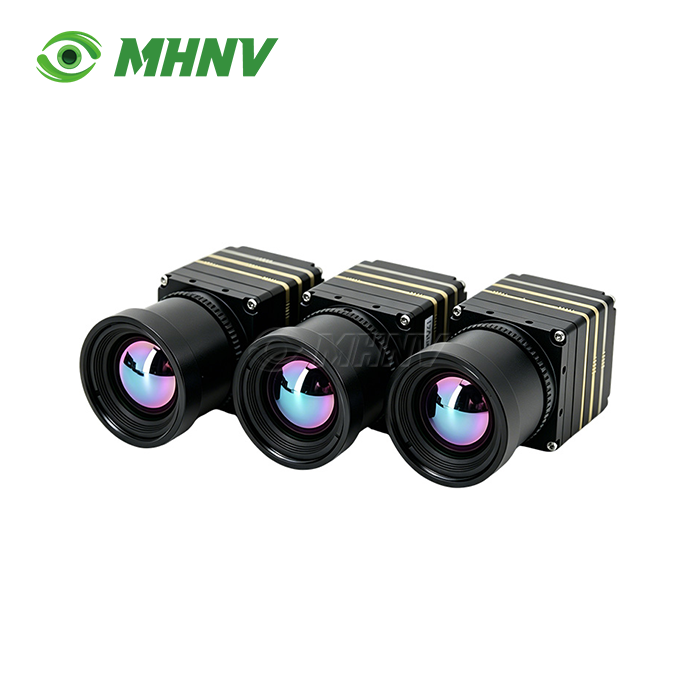
Xi'an MH Electronics And Technology Co., Ltd. (MHNV®) delivers professional-grade Infrared Night Vision Camera For Cars engineered with uncooled VOx microbolometer technology. This system features 384×288 or 640×512 high-definition thermal arrays with NETD ≤40mK sensitivity, achieving pedestrian detection at 150m and vehicle recognition at 200m. Operating across -40°C to +85°C with IP67 protection, our automotive thermal camera provides reliable all-weather perception for ADAS systems, autonomous driving platforms, and fleet safety applications, backed by 12+ years of optoelectronic manufacturing expertise.
What Makes Professional Infrared Night Vision Cameras Essential for Automotive Applications?
A product is a sophisticated optoelectronic device that detects thermal radiation beyond the visible spectrum. Unlike conventional dash cameras, these systems utilize Long-Wave Infrared (LWIR) sensors to visualize heat signatures in complete darkness. They address critical challenges including the blinding effect of oncoming high beams, fog penetration limitations of standard ADAS sensors, and early detection of pedestrians or wildlife at distances 3–4 times farther than halogen or LED headlights.
This technology solves real-world safety gaps. Standard visible-light cameras fail in adverse weather, while thermal imaging maintains consistent performance through rain, snow, and fog. The passive detection method emits no signals, avoiding interference with radar or LiDAR systems.
Technical Specifications
| Parameter | Specification |
|---|---|
| Detector Type | Uncooled VOx microbolometer |
| Resolution Options | 384×288px / 640×512px |
| Spectral Band | 8–14μm (LWIR) |
| Thermal Sensitivity | NETD ≤40mK @ f/1.0 |
| Effective Focal Length | 9.1mm F#1.0 |
| Field of View | 28°×21° / 45°×37° |
| Spatial Resolution | 1.32mrad |
| Frame Rate | 25Hz / 50Hz |
| Detection Range | Pedestrian: 150m / Vehicle: 200m |
| Video Output | RCA composite (PAL/NTSC) |
| Communication | USB Type-C interface |
| Operating Temperature | -40°C to +85°C |
| Ingress Protection | IP67 rated |
| Storage Temperature | -40°C to +85°C |
Five Core Advantages Engineered for Automotive Environments
All-Weather Clear Imaging – Thermal sensors remain unaffected by darkness, precipitation, or fog. Your system maintains full functionality regardless of headlight glare or direct sunlight interference.
Extended Detection Range – Identify vehicles at 300m and pedestrians at 150m, delivering three times the range of high-beam headlights. This provides 5–8 seconds of critical early warning time for driver response or automated emergency braking activation.
Passive & Interference-Free Operation – The system emits zero electromagnetic signals, ensuring seamless integration with existing radar, LiDAR, and ultrasonic sensor arrays without cross-talk or performance degradation.
AI-Powered Living Being Detection – Advanced algorithms achieve >95% accuracy in classifying pedestrians and animals. Compatible with Forward Collision Warning (FCW) and Automatic Emergency Braking (AEB) protocols.
Automotive-Grade Reliability – Wide temperature tolerance (-40~85°C), IP6K9K high-pressure wash resistance, AEC-Q100 certification, and ISO 26262 (ASIL-B) functional safety compliance ensure long-term durability in harsh automotive environments.
Primary Application Domains
Autonomous Driving & ADAS Redundancy – Serving as a mission-critical sensor layer for L3-L5 autonomous vehicles, the Infrared Night Vision Camera For Cars provides reliable object classification when LiDAR and visible cameras face weather-induced compromises. This redundancy enhances system robustness during heavy rain, snow, or backlit scenarios.
Heavy-Duty Logistics and Trucking – Enhancing safety for long-haul freight operations during nocturnal transit, specifically reducing wildlife-vehicle collisions which cause significant annual losses. Fleet operators achieve measurable ROI through accident prevention and insurance premium reduction.
Luxury & Specialized Aftermarket – Providing high-end consumer vehicles and emergency response units with enhanced situational awareness. Ambulances and fire trucks navigate unlit rural roads or smoke-filled disaster zones with precision, while luxury manufacturers integrate thermal cameras as premium safety features.

Quality Control Protocol
Our quality assurance procedure is based on the norms of the automotive industry and rigorous testing protocols.
Thermal Calibration provides stability of Non-Uniformity Correction (NUC) across the operational temperature range. Each item is individually calibrated for consistent thermal sensitivity.
Vibration & Shock Testing according to ISO 16750-3 guarantees that the internal optomechanics are capable of enduring the constant mechanical stress caused by the road for the vehicle’s lifespan in operation.
Optical Modulation Transfer Function (MTF) Analysis confirms lens sharpness and clarity of heat signature at the outer edges of the frame, to maintain picture quality over the whole field of vision.
EMC testing to CISPR 25 ensures that the camera will not interfere with wireless communications or radar systems in the vehicle, maintaining the integrity of the overall system integration.
MHNV® Manufacturing Capabilities
MHNV® has vertically integrated manufacturing facilities that include Class-10,000 cleanroom and precision optical assembly stations. We have a cross-functional engineering team in algorithm creation, FPGA processing, embedded firmware, optical design and mechanical engineering. With our full stack capabilities, we provide full OEM and ODM customisation services.
We are a company with over 12 years of industry expertise, servicing clients in 60+ countries, providing full support from initial design to mass manufacturing. Our facility has SMT production lines, expert metrology laboratories and comprehensive environmental testing systems to ensure every unit shipped satisfies worldwide standard like ISO 9001:2015, CE, RoHS and FCC compliance.


FAQ
Q: Do the products penetrate ordinary automotive glass?
A: No, Long-Wave Infrared (LWIR) radiation does not penetrate typical vehicle glass materials due to their molecular absorption properties in the 8-14μm wavelength range. Thus, automobile thermal cameras need to be located outside, usually behind the front grille or in bumper assemblies where they have an unobstructed line-of-sight to the road environment. The external installation position also allows for self-cleaning systems and eliminates the condensation problems that would be experienced by interior cabin mounted sensors.
Q: How is thermal imaging in heavy rain or fog compared to normal cameras?
A: The infrared wavelengths ( 8–14μm ) are much longer than the visible light wavelengths ( 0.4–0.7μm ) . This means that thermal cameras have a better performance in adverse weather circumstances . This physical feature causes vastly reduced atmospheric dispersion, allowing thermal sensors to see heat signatures despite fog, rain and snow that would render traditional visible-spectrum cameras entirely useless. Heavy precipitation does attenuate the signal somewhat, but thermal imaging still works at useful ranges when visual cameras give you no useable information at all.
Q: Is the infrared illumination distinct from the system?
A: Passive thermal imaging systems rely on the thermal radiation naturally released by objects due to their temperature differences relative to the surrounding environment and do not need any external source of illumination. This is a fundamental difference to active near-infrared (NIR) nite vision devices, which do need specific IR emitters. Passive operation means no power is used for illuminators, is invisible to IR sensitive devices and remains covert without visible signature.
Q: What is the effective detection range? A: Pedestrians up to 100 feet, vehicles up to 600 feet.
A: Professional automobile thermal cameras can identify pedestrians at a distance of 150–200 m and vehicles at a distance of 200–300 m, under normal functioning conditions. This is a warning time of 10–15 seconds before probable collision situations at highway speeds of 100 km/h. Detection range depends on the target thermal contrast, atmospheric circumstances, lens focal length and sensor resolution, and detection distance of 640×512 arrays is around 30% larger than 384×288 arrays.
Q: Is maintenance difficult for automotive thermal cameras?
A: Strong automotive-grade construction means low maintenance requirements. The key maintenance task is to keep the Germanium lens surface free of road dirt, salt spray and insect residue. Most professional systems include hydrophobic coatings to reject water and dirt, while high-end installs feature built-in high pressure washing systems that automatically clean the lens surface. The sensor calibration is reliable over the operating lifetime and does not require field recalibration for 5-7 years of continuous use.

Contact MHNV® for Automotive Thermal Imaging Solutions
Contact our engineering team at sarah@mh-elec.com for technical specifications, customization options, and integration support tailored to your Infrared Night Vision Camera For Cars automotive application requirements.
YOU MAY LIKE