Where to Buy a Gen 3 Image Intensifier from a Reliable Supplier?
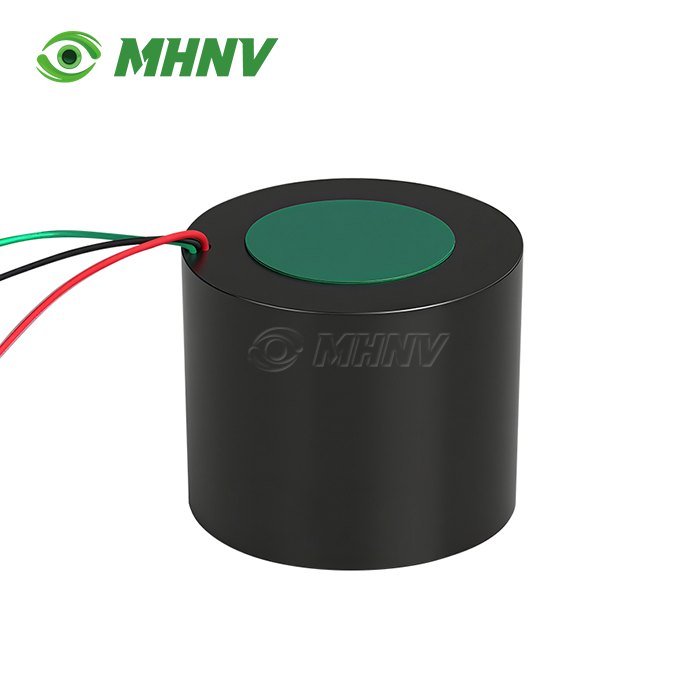
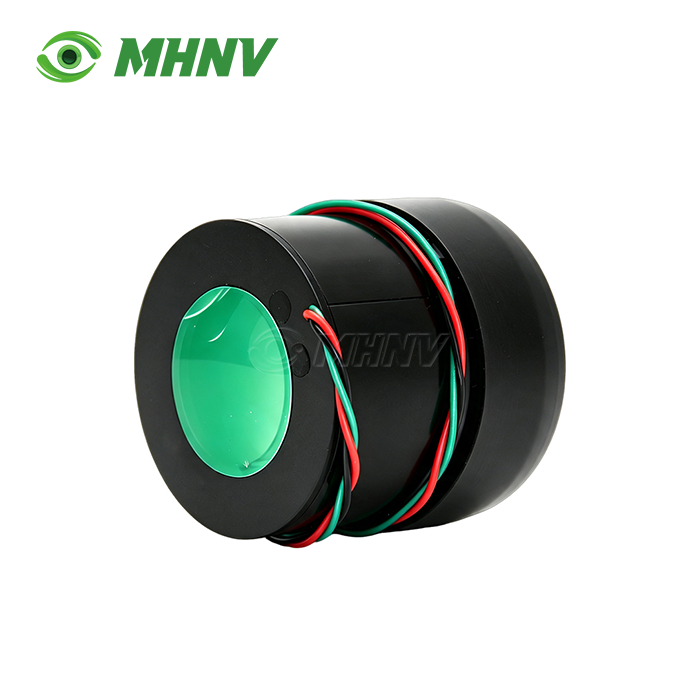
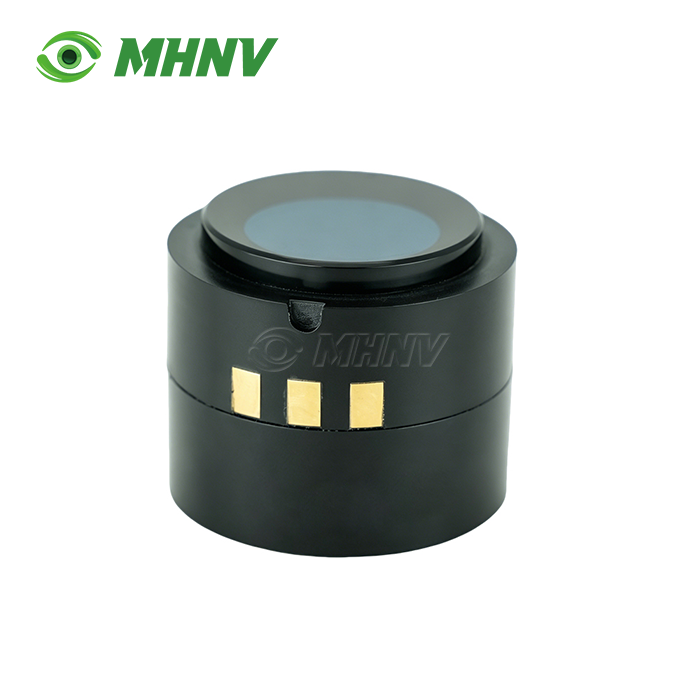
If you have ever side by side compared side-by-side night vision devices, then you already know that it is the tube inside that makes all the difference, and this is exactly why choosing a trustworthy source of Gen 3 Image Intensifier matters so much. As a customer researching Image Intensifier Tubes, you will find inconsistent specifications, murky quality guarantees, and companies that are merely reselling components and not making them. We’ll walk you through what makes a genuine Gen 3 Image Intensifier stand out from a lesser choice, what characteristics are actually critical, and how to select a source — like MHNV® — that can deliver consistent, certified performance, batch after batch.
What Makes a Gen 3 Image Intensifier Different From Earlier Generations?
Let's start with the fundamentals, because understanding the underlying technology helps you evaluate any Gen 3 Image Intensifier you're considering.
GaAs Photocathode and Sensitivity Performance
A true Gen 3 Image Intensifier is based on a Gallium Arsenide (GaAs) photocathode, which is far more sensitive to near-infrared light than the multi-alkali photocathodes used in previous generations. This sensitivity makes it possible to get usable images with the tube under starlight or moonlight settings with photocathode luminous sensitivity ratings up to 3000μA/lm on premium Image Intensifier Tubes. In practice, this translates to sharper, more detailed pictures in really dark conditions and explains why Gen 3 tubes are still the ideal option for security, hunting, and outdoor observation applications where dependable low-light performance is essential.
Resolution, SNR, and EBI Specifications Explained
The final picture appearance, in addition to sensitivity, is a function of resolution and signal-to-noise ratio. The resolution of a Quality Image Intensifier Tube is normally in the range of 60–72 lp/mm, and an SNR performance of 28 or above is a good indicator of a real Gen 3 Image Intensifier. Equivalent background illumination, or EBI, is another number worth considering. Values at or below 0.25μlx imply a cleaner, higher-contrast picture with less background noise. When benchmarking vendors, always ask for the actual test results, rather than a marketing spec sheet. These figures are real and fluctuate from batch to batch and manufacturer to manufacturer.
Screen Type and Output Faceplate Options
The choice of phosphor screen impacts the comfort of the device during prolonged usage. The P43 green phosphor is the old standard, but P45 white phosphor has become popular for its grayscale display, which many users say lessens eye strain during lengthy observation periods. The faceplate configuration of the output is also important – inverting or non-inverting fiber-optic windows affect how the tube integrates into different housing designs, so a reliable Gen 3 Image Intensifier supplier should stock both configurations, not force a single option on every customer, especially OEM buyers with existing housing designs to match.
| Specification | Typical Gen 3 Range |
|---|---|
| Photocathode sensitivity | Up to 3000μA/lm |
| Resolution | 64–72 lp/mm |
| SNR | ≥28 |
| EBI | ≤0.25μlx |
Key Features to Look for When Buying Image Intensifier Tubes
Specifications on paper only tell part of the story — real-world performance depends on a handful of engineering features that distinguish premium tubes from generic ones.
Photocathode Sensitivity and Luminance Gain
A good Gen 3 Image Intensifier should provide a luminance gain of 10,000 cd/m 2 /lx or more, which is a useful gain multiplier of around 30,000 to 50,000 times the ambient light. This is how the gadget turns weak starlight into a clear, usable picture. When selecting Image Intensifier Tubes for your application, make sure the gain and sensitivity numbers fit your expected operating environment — a tube optimised for near-total darkness will perform differently than one designed for dusk or urban low-light conditions, so don’t assume all Gen 3 tubes will perform the same.
Autogating and Anti-Blooming Technology
A very significant characteristic of a current Gen 3 Image Intensifier is autogating. It reacts to unexpected intense light sources (headlights, muzzle flashes, flares) on the microsecond level. This smart anti-blooming feature protects the photocathode from damage as well as the user from temporary blindness due to an overexposed picture. Not all Image Intensifier Tubes on the market are equipped with this capability; thus, it is worth asking your supplier whether autogating is a standard feature or an optional upgrade, particularly for tactical or security applications where unexpected exposure to light poses a genuine operational danger.
Durability, Lifespan, and Environmental Ratings
Longevity is a tangible issue for anybody investing in a Gen 3 Image Intensifier. A built-in ion barrier coating prevents the photocathode from ion damage and provides quality tubes with a rated operating life of over 10,000 hours. Environmental endurance is also important -- dependable Image Intensifier Tubes are designed to resist working temperatures from around -45°C to +55°C, and are subjected to shock, humidity, and vibration typical of field operation. When comparing providers, also enquire about weight (preferably less than 75g for portable devices) and storage temperature range, since such metrics have a considerably greater impact on real-world dependability than headline gain numbers alone.
| Feature | Typical Benefit |
|---|---|
| Ion barrier film | Extends operational life beyond 10,000 hours |
| Autogating | Microsecond response to bright light exposure |
| Operating temperature range | -45°C to +55°C |
How to Choose a Reliable Supplier for Gen 3 Image Intensifier Tubes
Specifications aside, the supplier you choose ultimately determines whether you receive consistent quality or unpredictable results.
Certifications and Quality Testing Standards
A trustworthy source for a Gen 3 Image Intensifier should hold recognized certifications, including ISO9001, CE, RoHS, and FCC, and should be willing to provide full lab test reports with every shipment. Look for suppliers who test Image Intensifier Tubes to grade standards such as MIL-STD-810 for shock, vibration, humidity, and altitude, and who issue an individually serialized QC data sheet covering SNR, resolution, halo, EBI, and luminous gain for each unit. This level of documentation is a strong signal that a supplier manufactures rather than simply resells components sourced elsewhere.
In-House Engineering and OEM/ODM Support
Suppliers with a genuine in-house engineering team — covering optical design, FPGA processing, firmware, and mechanical design — can support real customization for a Gen 3 Image Intensifier project, rather than offering only fixed catalog items. This matters enormously for OEM and ODM buyers who need custom housing, specific tube models such as MX10130 or MX11769, or particular pin configurations. When your entire engineering request is handled inside one team rather than split across multiple subcontracted factories, you get faster iteration and clearer accountability for Image Intensifier Tubes built to your exact specification.
Shipping, Lead Times, and After-Sales Support
Finally, there are the practicalities to consider. Stocked Gen 3 Image Intensifier devices generally ship between 3-7 business days, and bulk manufacturing orders may take 15-30 business days based on customisation needs. Ask prospective vendors how they respond to technical questions after the sale, not just before – reliable partners for Image Intensifier Tubes stay involved during installation, troubleshooting, and any warranty claims, often the clearest measure of whether a vendor sees the relationship as a one-time transaction or a long-term partnership. It is also worthwhile to check how long a supplier has been in the industry and whether they exhibit at recognised trade shows, as a consistent and long-term presence in the market usually reflects genuine manufacturing capability rather than short-term reselling, which gives buyers more confidence when placing repeat or bulk orders for a Gen 3 Image Intensifier program.
Conclusion
Choosing a genuine Gen 3 Image Intensifier comes down to verified specifications, real certifications, and a supplier with in-house engineering behind every tube. MHNV® has manufactured Image Intensifier Tubes since 2013, backing every shipment with serialized test data and full OEM/ODM support. For buyers who want consistent, field-proven performance rather than guesswork, partnering with an established, vertically integrated manufacturer remains the safest path forward.
FAQ
Q1: What is the typical lifespan of a Gen 3 Image Intensifier?
A: With an ion barrier film, the rated operational life typically exceeds 10,000 hours.
Q2: What SNR should I look for in Image Intensifier Tubes?
A: An SNR of 28 or higher is generally considered strong performance for Gen 3 tubes.
Q3: What's the difference between P43 and P45 phosphor screens?
A: P43 is a traditional green phosphor; P45 offers a white, grayscale display that reduces eye fatigue.
Q4: How long does shipping take for a Gen 3 Image Intensifier?
A: In-stock units ship in 3–7 business days; bulk custom orders take 15–30 business days.
Q5: Can suppliers customize Image Intensifier Tubes for OEM projects?
A: Yes, manufacturers with in-house engineering teams support custom tube models, pinouts, and housings.
Get a Genuine Gen 3 Image Intensifier for Your Project
Ready to source a certified Gen 3 Image Intensifier or custom Image Intensifier Tubes for your OEM program? MHNV® offers full engineering support, serialized QC reports, and flexible customization for global buyers across security, hunting, and industrial applications. Contact our team at sarah@mh-elec.com to discuss specifications, request test data, or start your custom project today.
References
1. Csorba, I. P. — Image Tubes, Howard W. Sams & Co.
2. RCA Corporation — Electro-Optics Handbook.
3. U.S. Department of Defense — MIL-STD-810 Environmental Engineering Considerations.
4. Driggers, R. G., Cox, P., & Edwards, T. — Introduction to Infrared and Electro-Optical Systems, Artech House.
5. Society of Photo-Optical Instrumentation Engineers (SPIE) — Proceedings on Image Intensifier Technology.
6. National Institute of Standards and Technology (NIST) — Low-Light Imaging Sensor Performance Standards.
YOU MAY LIKE