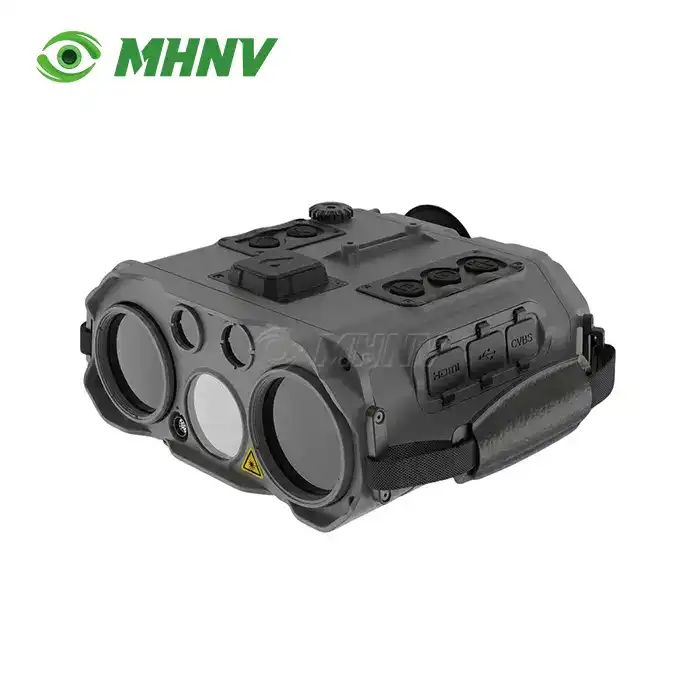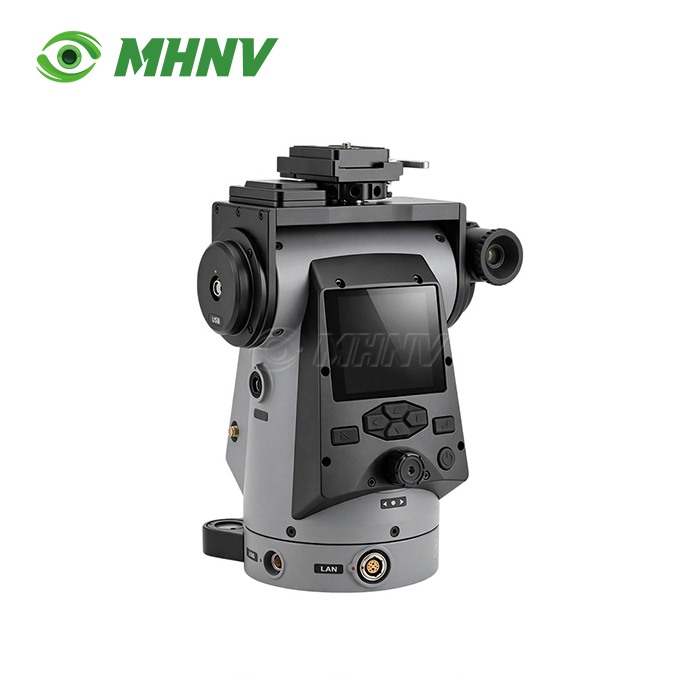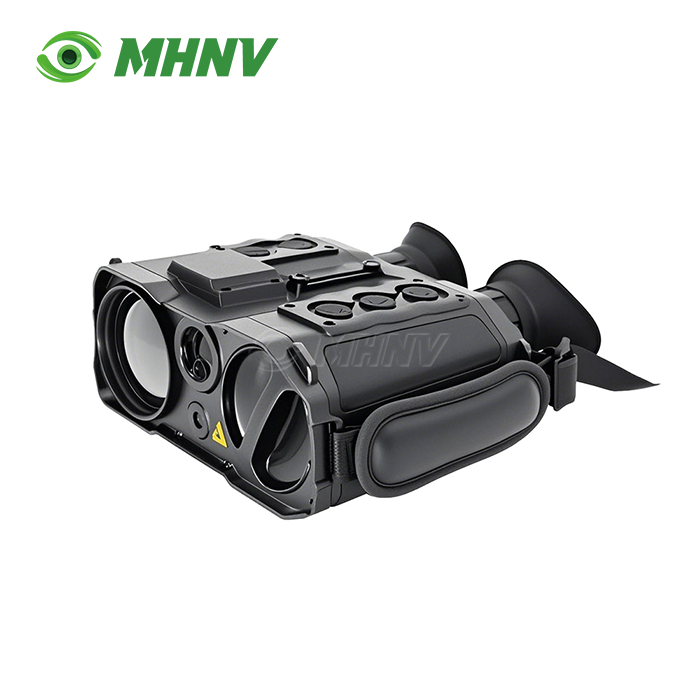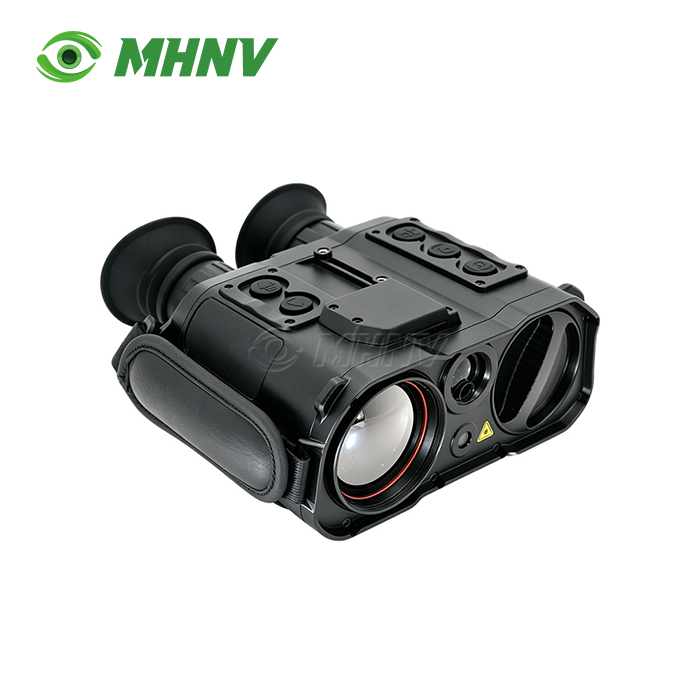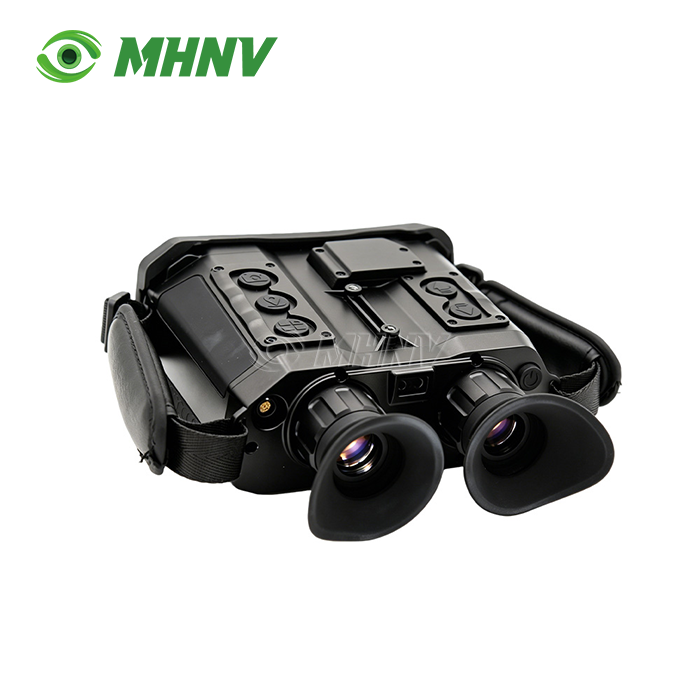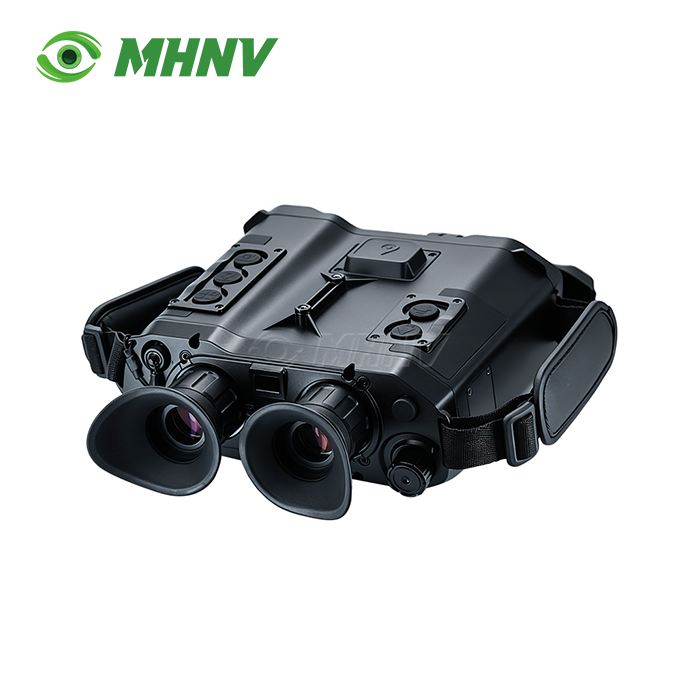
Thermal Imaging Binoculars For Hunting
High-Performance Thermal Imaging Binoculars For Hunting | Dual-Sensor Fusion System with 3km Laser Rangefinder
Thermal Imaging Binoculars For Hunting represent a transformative advancement in optoelectronic observation equipment, integrating a 640×512px uncooled thermal sensor with a 1920×1080px visible light camera and a 3km eye-safe laser rangefinder. MHNV® delivers enterprise-grade dual-sensor fusion technology that operates continuously across -40°C to +60°C with IP67 protection. The system achieves 0.5° RMS azimuth accuracy through an integrated electronic compass and processes 267 ballistic profiles with real-time environmental sensing. Weighing only 1.75kg in a compact 210×178×80mm housing, this platform provides ≥5 hours of continuous operation while eliminating ambient light dependency for all-weather detection capability.
Dual-Channel Imaging Architecture for 24/7 Observation
The core advantage of the product lies in simultaneous thermal and visible light channel operation. The thermal core utilizes a 640×512px sensor with 12μm pixel pitch, delivering an 8.70°×7.00° fixed field of view. Heat signatures appear in high-contrast detail regardless of lighting conditions.
The visible light camera operates at full HD resolution with continuous zoom capability. Field of view adjusts from 4.7°×3.7° for long-range target identification to 45°×36° for wide-area scanning. This eliminates the need for lens changes during field operations.
Both channels feed into a synchronized display system. You observe thermal heat patterns and optical detail through a single eyepiece. This fusion reduces interpretation time when distinguishing between game species, non-target animals, and environmental features under variable weather conditions.

Precision Ranging and Navigation Integration
A 1535nm laser rangefinder measures distances from 30 meters to 3 kilometers. This eye-safe wavelength poses no operator hazard during extended use. Large targets such as vehicles and terrain features return accurate data across the full range envelope.
BeiDou multi-band GNSS positioning delivers stable location coordinates across all geographic regions. The electronic compass provides azimuth accuracy of 0.5° RMS and pitch accuracy of 0.3° RMS. These subsystems combine to output target coordinates without manual calculation, supporting reconnaissance and mapping workflows.
Real-time positioning data integrates with the ballistic calculation module. Geographic coordinates, elevation data, and directional bearings are continuously updated as you change observation positions.
Onboard Ballistic Computation with Environmental Sensing
The product incorporate an integrated weather sensor measuring temperature, humidity, air pressure, and wind speed from -25m/s to +25m/s. Environmental data feeds directly into the ballistic solver without manual input.
The system stores 10 active ballistic profiles drawn from a customizable 267-parameter library. Windage accuracy and angle accuracy both achieve 0.5 Mil precision. Trajectory corrections adjust automatically based on real-time atmospheric conditions.
This automation reduces decision time in dynamic field scenarios. You select the appropriate profile, acquire your target, and receive corrected holdover data without referencing external charts or conducting manual calculations under time pressure.
Technical Specifications
| Parameter | Specification |
|---|---|
| Thermal Resolution | 640×512px at 12μm pixel pitch |
| Thermal FOV | 8.70°×7.00° (fixed) |
| Visible Light Resolution | 1920×1080px |
| Visible Light FOV | 4.7°×3.7° to 45°×36° (continuous zoom) |
| Laser Rangefinder | 1535nm, 30m–3km range |
| GNSS | BeiDou multi-band |
| Compass Accuracy | Azimuth 0.5° RMS, Pitch 0.3° RMS |
| Ballistic Profiles | 10 active, 267 total library (customizable) |
| Wind Speed Range | -25m/s to +25m/s |
| Ballistic Accuracy | 0.5 Mil (windage and angle) |
| Operating Time | ≥5 hours continuous |
| Dimensions | 210×178×80mm |
| Weight | 1.75kg (with battery) |
| Operating Temperature | -40°C to +60°C |
| Protection Rating | IP67 (dust and water) |
| Storage Capacity | 32GB (photo, video, real-time output) |
All-Weather Operational Capability
The Thermal Imaging Binoculars For Hunting thermal sensor requires no ambient light, enabling full functionality in total darkness, heavy fog, rain, and smoke. This eliminates the operational limitations inherent in image intensification systems that depend on moonlight or starlight.
IP67 sealing protects internal components against dust ingress and temporary water submersion. Sealed optical chambers prevent fogging across the full -40°C to +60°C operational envelope. You maintain observation capability through rapid temperature transitions without waiting for internal condensation to clear.
The magnesium alloy housing provides structural rigidity while keeping total system weight at 1.75kg. This reduces operator fatigue during extended carry and allows single-handed operation during stationary observation sessions.
Multi-Target Detection and Media Documentation
The system identifies and tracks multiple simultaneous targets including personnel, vehicles, and terrain features. Real-time video output supports external recording or remote monitoring configurations.
Onboard 32GB storage captures still images and video footage with embedded GPS coordinates and timestamp data. This documentation capability supports post-mission analysis, training applications, and compliance record-keeping for regulated operations.
Video output ports enable integration with external displays or recording systems. This functionality supports team coordination scenarios where multiple observers require synchronized target information.
OEM and ODM Customization Services
MHNV® provides complete customization across hardware, firmware, and mechanical layers. Resolution configurations, reticle patterns, and user interface languages adapt to specific operational requirements or regional preferences.
Ballistic profile libraries expand or modify to accommodate proprietary ammunition data. Display overlays, menu structures, and data output formats customize for end-user workflows. Housing colors, logo placement, and control button configurations adjust for brand differentiation.
Small minimum order quantities accommodate pre-procurement evaluation and qualification testing. Engineering consultation, compliance documentation, and technical specification verification support all B2B procurement processes.

FAQ
Q: What detection range can I expect for large game animals in variable weather?
A: The sensor is 640×512px with a 12μm pixel pitch, and such a device can see human-sized heat signatures at over 2,000m in clear conditions and larger ungulates (elk/moose) beyond 2,500m. In severe rain or fog the range is reduced 20-30% by atmospheric absorption of long-wave infrared radiation, but still is vastly superior to any visible-light optic under the same conditions. Contrast is affected by wind, humidity and temperature differences between target and background. Animals coming from cool water or in direct sunlight may temporarily exhibit lower thermal contrast until surface temperatures are equalised.
Q: How does the continuous zoom visible light channel improve target identification compared to fixed-FOV systems?
A: With a continuous zoom from 4.7° to 45° FOV, you don't need to carry several optical devices or change lens assemblies during observation sessions. Wide angle settings allow you to scan areas quickly to discover thermal abnormalities, while narrow telephoto settings let you examine antler tips, ear tags, or other distinguishing traits up close without moving from your observation location. This one-device adaptability decreases pack weight, increases speed to identify a target under time pressure, and reduces movement that could alert surrounding game. Fixed-FOV systems force you to get closer to identify, increasing the chance of detection and limiting your safe standoff distance.
Q: Why does the 1535nm laser wavelength matter for rangefinding safety?
A: The 1535 nm wavelength is in the "eye safe" spectral band, where the human cornea and lens absorb energy before it reaches the retina, thus even in the case of inadvertent direct exposure, it will not cause permanent optical damage. Shorter wavelengths (e.g. 905nm or 1064nm used in consumer rangefinders) reach the retina and might cause cumulative harm with continuous usage or unintentional reflection from glass or water surfaces. 1535nm offers vital safety margin without diminishing ranging performance across the 30-meter to 3-kilometer measurement envelope specified for this platform. For professional operators conducting extended observation sessions or working in team environments where multiple laser sources are in use simultaneously,
Q: What are the maintenance procedures to maintain germanium lens performance in humid environments?
A: Germanium optics need special handling because the material is softer than the normal glass and very sensitive to moisture related coating degradation. After each usage in the field, carefully blow loose particles away with filtered compressed air, then wipe with a microfibre towel wet (not soaked) with isopropyl alcohol. Never use ammonia-based glass cleaners which harm the anti-reflective coatings. Store unit with desiccant packets in a sealed case to prevent condensation during temperature cycling. Check lens surfaces periodically with bright light for coating delamination (rainbow patterns or foggy areas) so it can be sent back to the factory for re-coating before it loses its infrared transmission. The internals are sealed in an IP67 nitrogen-purged chamber, but the external lens surfaces are left exposed and require proactive care.
Q: Can I integrate third-party ballistic solvers or does the system require proprietary software?
A: The 267 profile ballistic library has an open parameter structure that works with normal G1/G7 drag models and Bryan Litz ballistic coefficient data. Custom profiles can be entered using the USB configuration interface using Windows compatible software provided with the unit or the MHNV® technical team can pre-load proprietary ammo data during OEM production runs. Provides real time environmental data (temperature, pressure, humidity, wind) outputs via serial interface, for interaction with external ballistic computers, in case mission needs redundant computation systems. The onboard solver's accuracy is adequate for most field applications; the 0.5 Mil windage and angle accuracy exceeds the mechanical accuracy of most field shooting platforms at the ranges at which this observation system operates.

Partner with MHNV® for Advanced Observation Solutions
Contact our engineering team at sarah@mh-elec.com to discuss Thermal Imaging Binoculars For Hunting custom configurations, request performance demonstration videos, or initiate qualification testing with trial orders.
YOU MAY LIKE