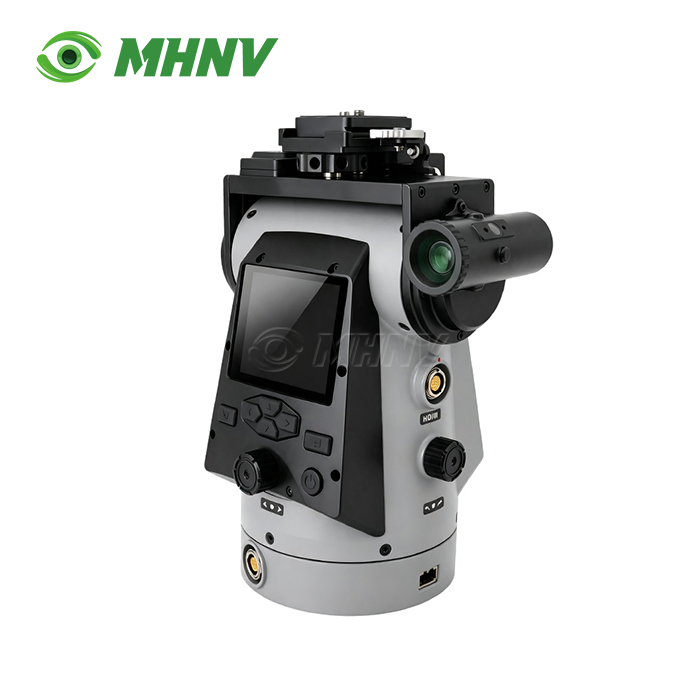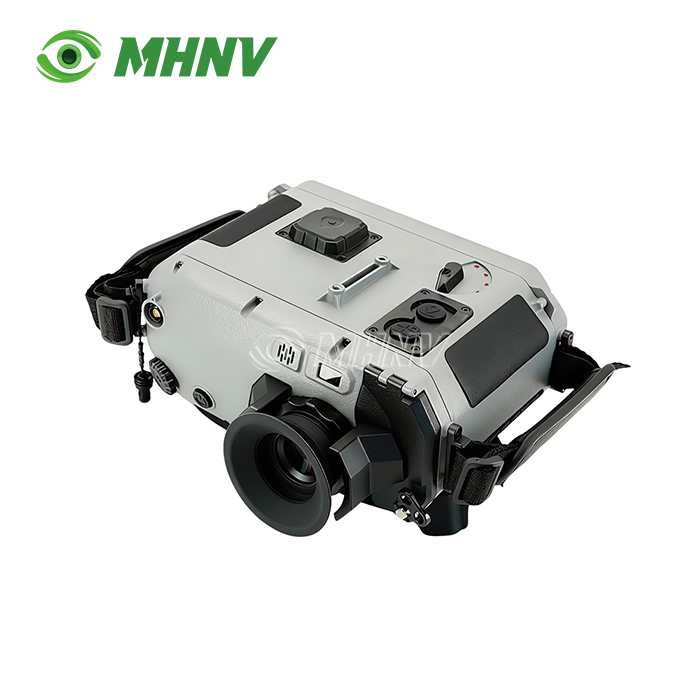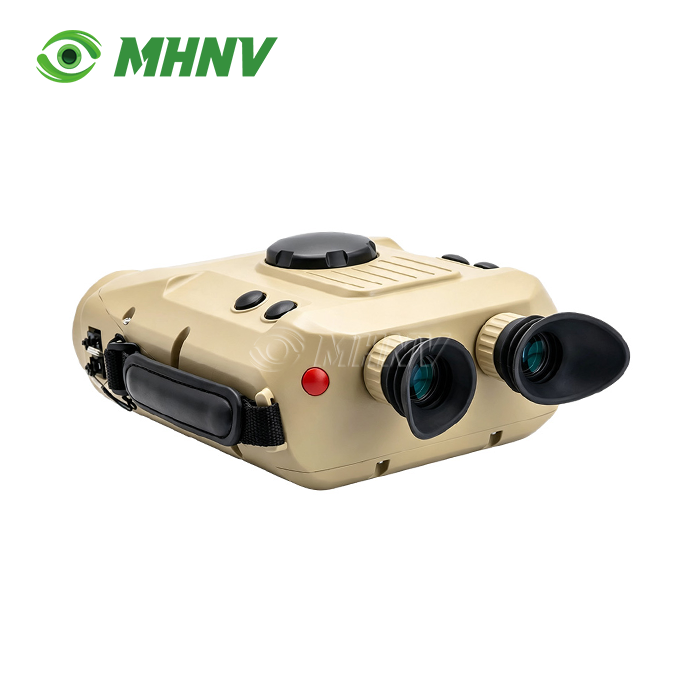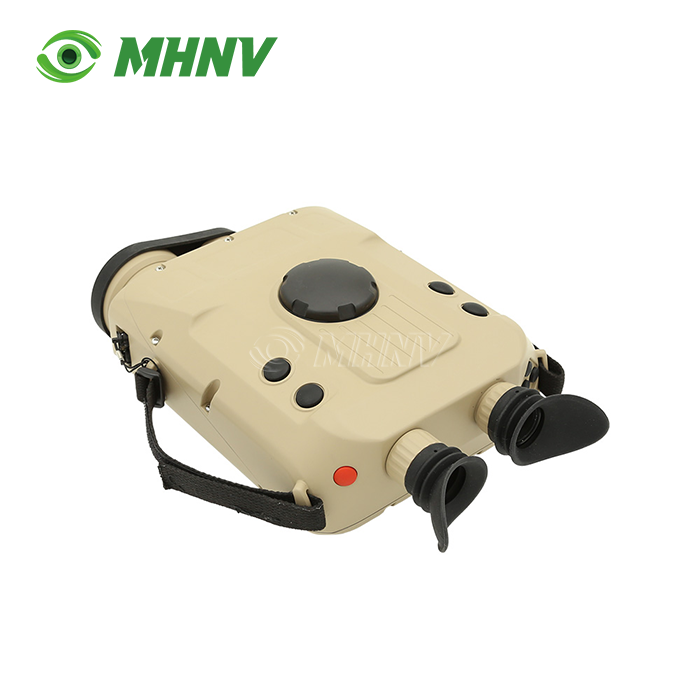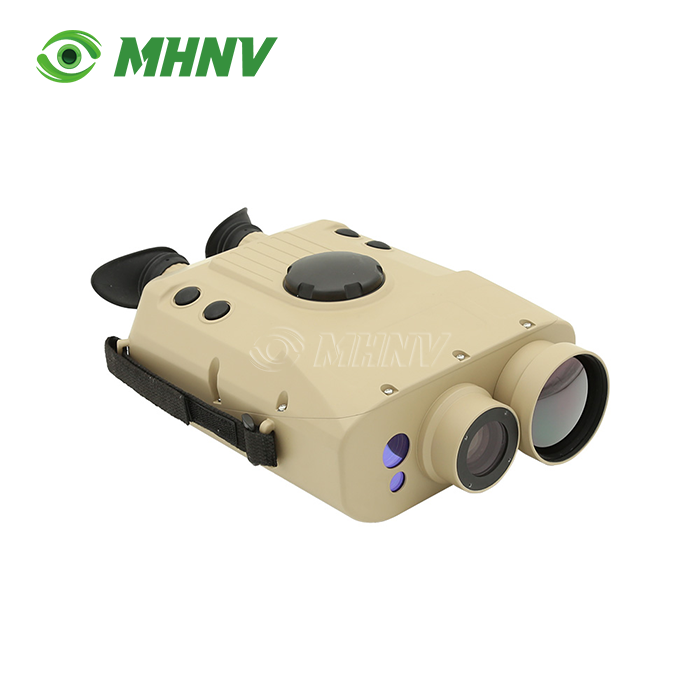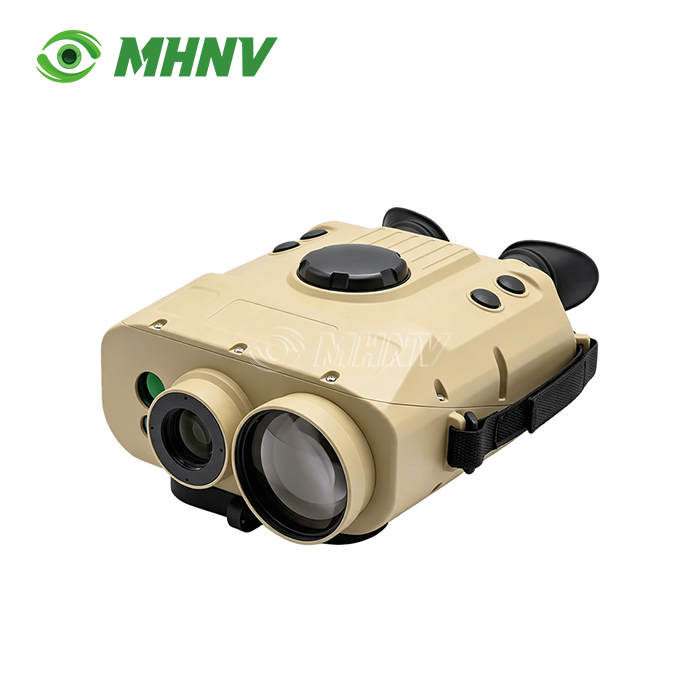
Cooled Handheld Thermal Binoculars
Cooled Handheld Thermal Binoculars | Long-Range Surveillance System | Professional Detection Solution
Cooled Handheld Thermal Binoculars from MHNV® integrate refrigerated infrared technology with multi-spectral imaging for ultra-long-range detection. Our system features a 640×512px cooled sensor with 15–300mm continuous optical zoom, eye-safe 1535nm laser rangefinder reaching ≥10km on vehicles and ≥13km on structures, and 0.2° RMS azimuth compass with multi-format GNSS output. Operating across -40°C to +60°C with IP67 protection, this enterprise-grade solution delivers ≥5 hours continuous operation. The device combines infrared polarity, visible low-light, and fusion modes with built-in target detection, maintaining full 1920×1080px resolution throughout the zoom range for professional surveillance applications.
What Are Cooled Handheld Thermal Binoculars?
These systems represent advanced portable infrared imaging technology integrating Mid-Wave Infrared (MWIR) sensors with cryogenic coolers operating at approximately 77 Kelvin. The cooling mechanism dramatically increases Signal-to-Noise Ratio (SNR), enabling human-sized target detection beyond 8km and vehicle identification exceeding 15km. This technology addresses core limitations of uncooled systems including restricted detection range, reduced sensitivity in high-humidity environments, and poor contrast in thermally saturated backgrounds.
The refrigerated approach delivers thermal sensitivity below 20mK—nearly three times more sensitive than premium uncooled alternatives. Operating in the 3-5μm MWIR spectrum, these devices experience lower atmospheric absorption in humid or coastal conditions compared to Long-Wave Infrared (LWIR) systems.
Technical Specifications
| Parameter | Specification |
|---|---|
| Infrared Sensor | 640×512px cooled detector |
| Optical Zoom | 15–300mm f4.0 continuous zoom |
| Infrared FOV | 35.5°×28.7° to 1.83°×1.47° |
| Visible Light Channel | 1920×1080px with matching zoom |
| Visible FOV | 35.5°×28.7° to 1.37°×1.10° |
| Laser Rangefinder | Eye-safe 1535nm wavelength |
| Ranging Distance | ≥10km (vehicles), ≥13km (structures) |
| Ranging Accuracy | ±2m |
| GNSS Positioning | BeiDou with WGS84/CGCS2000 support |
| Coordinate Formats | Gauss/UTM/MGRS projection |
| Electronic Compass | 0.2° RMS azimuth accuracy |
| Pitch/Roll Accuracy | ≤0.1° RMS |
| Display | 0.71-inch OLED 1920×1080px |
| Operating Temperature | -40°C to +60°C |
| Protection Rating | IP67 |
| Battery Life | ≥5 hours continuous operation |
Core Technology Advantages
Ultra-Long-Range Detection Capability: The refrigerated infrared core delivers significantly higher thermal sensitivity than uncooled alternatives. You can reliably detect medium-sized vehicles at ≥10km and perform building ranging at ≥13km—distances where standard devices fail completely.
Three Imaging Modes in One System: Switch between infrared polarity, visible low-light, and multi-spectral fusion modes in the field. This versatility covers all lighting and weather scenarios without requiring additional equipment during your surveillance operations.
Lossless Continuous Zoom Fusion: The optical zoom maintains full 1920×1080px resolution throughout the entire 15mm to 300mm range. You get detailed target identification at both wide-area scanning and close-in observation distances without image quality degradation.
Eye-Safe Long-Wave Laser: The 1535nm rangefinder reaches ≥10km on vehicles while remaining safe for operators. This eliminates the safety concerns associated with higher-power laser systems during your field operations.
High-Precision Navigation Suite: The 0.2° azimuth compass combined with BeiDou GNSS outputs coordinates in WGS84, CGCS2000, Gauss, UTM, and MGRS formats. This enables direct integration into your mapping and command systems without manual conversion.
Superior Performance Features
Automatic Target Highlighting: Built-in suspicious target detection reduces your workload during extended surveillance tasks. The system automatically highlights potential threats within the optical zoom fusion display.
Full-HD OLED Viewfinder: The 0.71-inch display at 1920×1080px provides sharp, high-contrast image review directly on the device. You get clear visualization in all ambient light conditions without external screens.
Extreme Environment Performance: IP67 sealing and -40°C to +60°C operating range ensure stable performance in extreme cold, heat, dust, and wet conditions. Your Cooled Handheld Thermal Binoculars operate reliably across diverse field environments.
Extended Operation Time: Despite the power requirements of cryogenic cooling, you get ≥5 hours of continuous operation from high-density rechargeable battery packs designed specifically for these systems.
Primary Applications
Border and Coastal Surveillance: In high-humidity coastal environments, the MWIR spectrum cuts through atmospheric moisture and salt spray. You can identify unauthorized vessels or crossings at standoff distances beyond the capability of uncooled devices.
Search and Rescue Operations: During mountain or maritime rescues, the sub-20mK thermal sensitivity detects minute heat signatures from survivors against cold backgrounds. You can locate individuals through dense smoke and light fog conditions where visual systems fail.
Infrastructure Security: For critical facility protection, the ≥13km ranging on structures enables perimeter monitoring from centralized observation posts. You maintain comprehensive coverage while minimizing the number of observation positions required.
Wildlife Research and Conservation: The non-invasive nature of thermal imaging allows you to conduct behavioral studies and population surveys without disturbing subjects. The long detection range enables observation from positions that minimize human impact on natural behaviors.

Manufacturing Excellence
MHNV® has full in-house manufacturing capacity including Class-10,000 cleanrooms for sensor calibration, precision optical assembly stations, and professional metrology laboratories. Each device is subjected to stringent quality checks including cool down time within 7 minutes at 25°C, Vacuum integrity test of Dewar flasks, optical boresighting over zoom range and environmental stress screening between -40°C to +60°C.
Our quality system is ISO 9001:2015 certified for consistent performance. Serialised QC documentation comprising heat sensitivity testing, laser rangefinder accuracy verification, and compass calibration data are shipped with each device.
Customization and OEM Services
MHNV® is fully customisable across various layers. You may select options for sensor resolution, changes in the optical zoom range, language of the firmware interface, coordinate format, housing colour and material, and logo placement for branded applications.
Full-stack engineering team, enabling fast prototype with ODM samples supplied in 15-25 days. Lead times for mass production are 30-45 days depending complexity of customisation. Flexible MOQ from single units for evaluation lets you check performance before committing for volume orders.

FAQ
Q: What is the lifetime of the cryogenic cooling system in the products?
A: Modern linear Stirling coolers have an MTBF of 8,000 to 10,000 operating hours, offering years of reliable service in the field. From that point on, the cooling engine needs to be serviced at the factory to return it to peak performance. MHNV® offers a complete range of services, including cooler replacement, vacuum flask refurbishment and system recalibration, to extend the operational life of the equipment.
Q: Why do these systems perform better in maritime environments compared to uncooled thermal devices?
A: MWIR radiation in the 3-5μm wavelength band penetrates moisture rich air far better than the 8-14μm spectrum employed by uncooled sensors. This physical advantage provides better images and longer detection ranges over bodies of water where atmospheric moisture content is highest. The chilled sensor further boosts performance by boosting temperature sensitivity in these difficult situations.
Q: How long does the system take to become operational after power on?
A: The sensor needs a cool-down period of 5-8 minutes to achieve its cryogenic operating temperature of around 77 Kelvin. During this initialisation period the display shows initial countdown indicators and preliminary images at a decreased sensitivity. Once fully cooled you will have the best performance for detecting range and optimal thermal sensitivity. If you plan for this warm-up time in your operating procedures, you'll have it ready when you need it.
Q: Are the items able to perform well in daytime operations?
A: Yes, thermal imaging technologies are not influenced at all by the visible light conditions. You get high contrast thermal pictures in the black as well as direct sunlight. The multi-spectral fusion mode integrates the thermal data with the visible light channel during the daytime operations, offering increased target recognition by complementary streams of information. This 24 hour capacity eliminates the need for separate day and nite observation equipment.
Q: What kind of batteries do these sophisticated systems require?
A: For the uncooled alternatives the power consumption is lower, and high density rechargeable Lithium ion battery packs are required for the Stirling cooler and chilled sensor. MHNV® bespoke battery solutions provide 4-6 hours of continuous run time and cooling. The hot-swappable battery compartments enable you to change depleted battery packs without system shutdown, thus permitting longer surveillance missions beyond the capability of a single battery through staged battery rotation.

Contact Us for Professional Surveillance Solutions
Get expert consultation on Cooled Handheld Thermal Binoculars for your specific detection requirements. Contact sarah@mh-elec.com for technical specifications, customization options, and quotations today.
YOU MAY LIKE