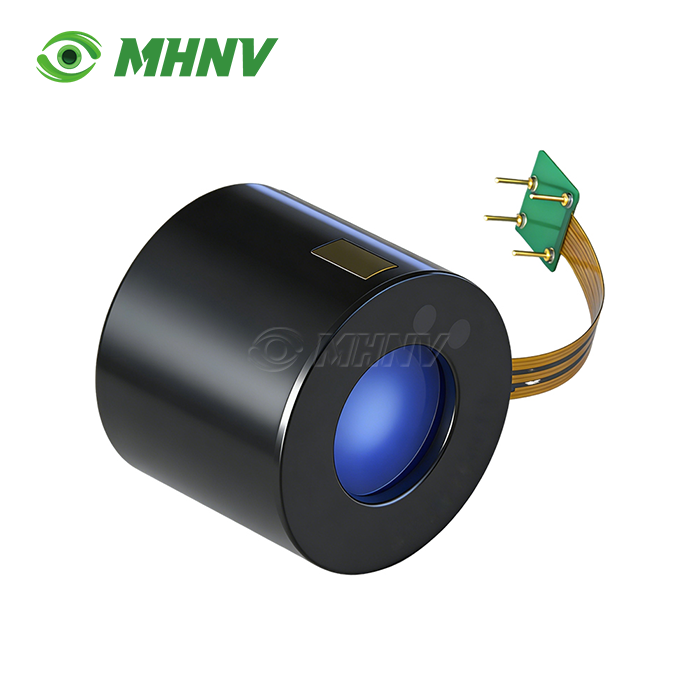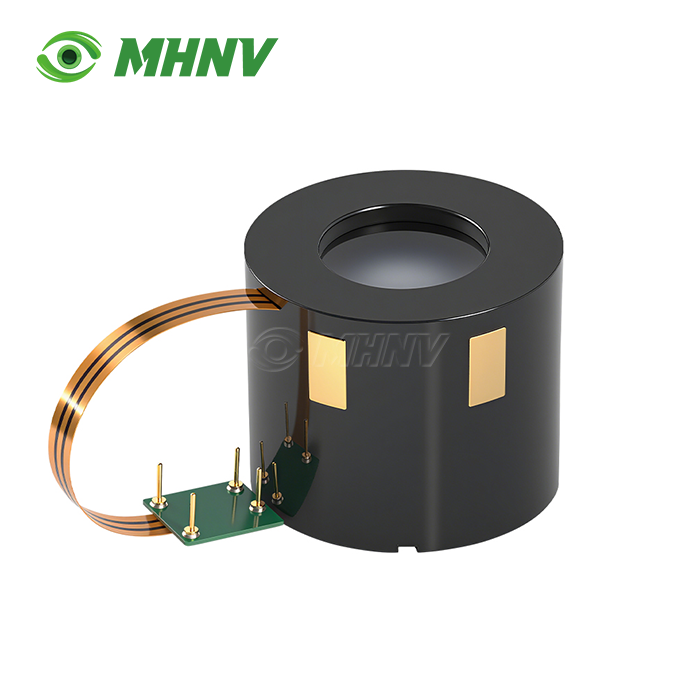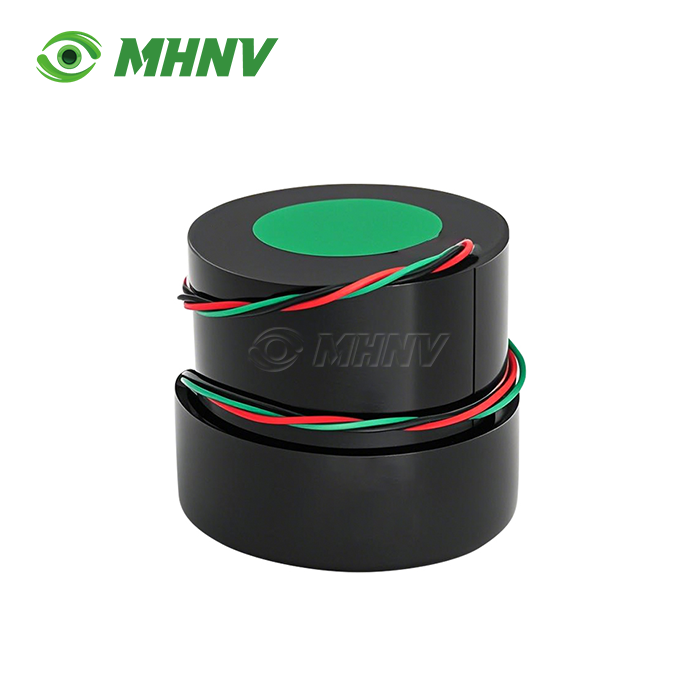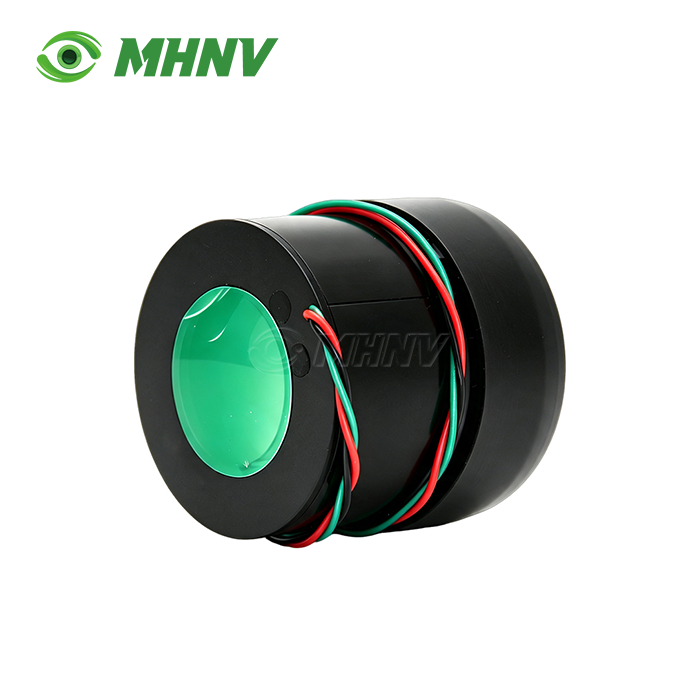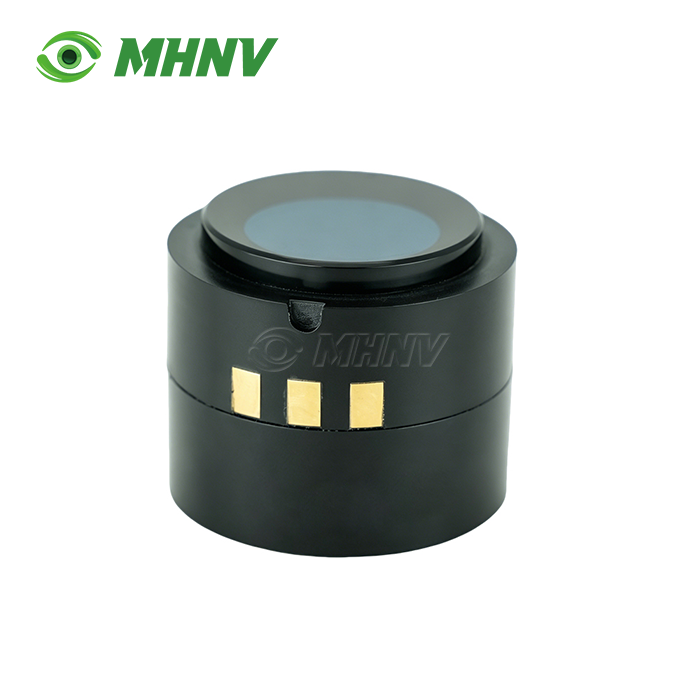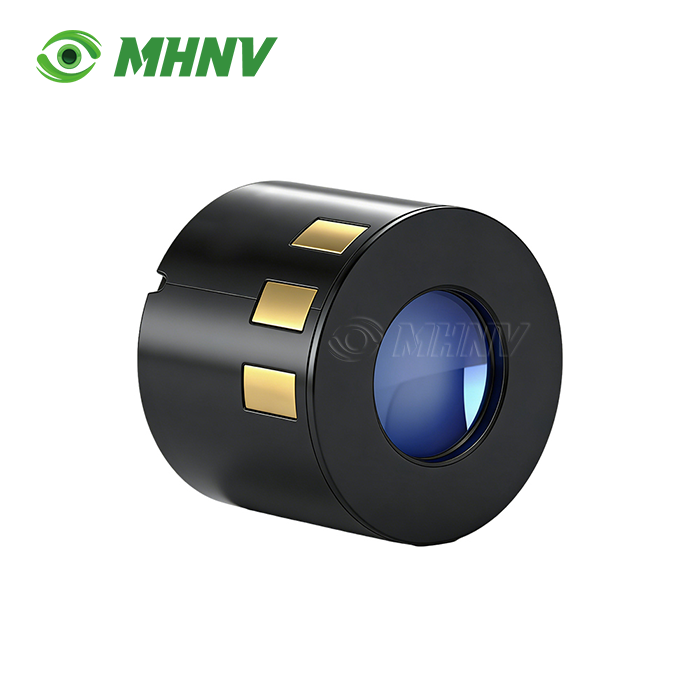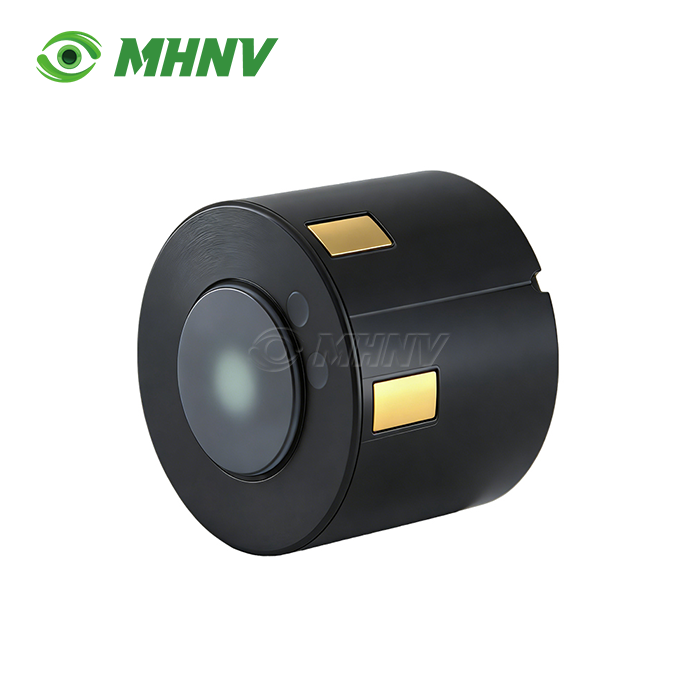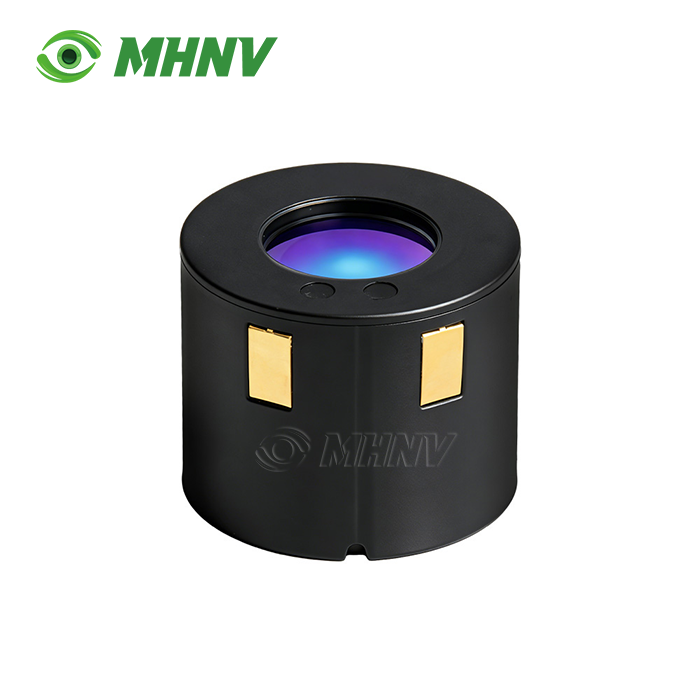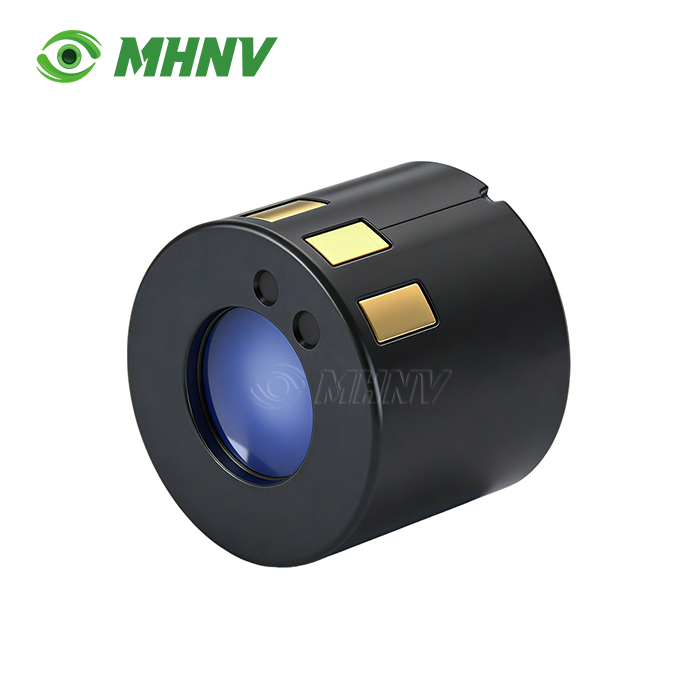
Gen 3 11769 Tube
Gen 3 11769 Tube – High-Performance Image Intensifier with Manual Gain Control for Professional Night Vision Applications
The Gen 3 11769 Tube is an 18mm image intensifier of professional grade, providing a solution for the most demanding low light observation needs. The tube has a Gallium Arsenide (GaAs) photocathode with a sensitivity of more than 1800 μA/lm, offering excellent performance under near-zero light conditions. This tube is manufactured by MHNV® to the stringent standards of ISO 9001:2015 with a signal-to-noise ratio of >30:1 and resolution of >60 lp/mm. The inbuilt pigtail interface enables the user to manually regulate the gain from 25 to over 3,000 fL/fL for accurate brightness control. The device has an operational lifetime of more than 10,000 hours and EBI values below 0.25 μlx, and is a solid solution for producers of professional observation equipment.
Advanced Photocathode Technology for Superior Low-Light Detection
The product uses a GaAs photocathode that works over a 600-900nm spectral range and also picks up photons undetectable to previous generations. This state-of-the-art material offers luminous sensitivity of up to 3000 μA/lm, equivalent to gains in the range of 30,000 to 50,000 times ambient light. The thin film ion barrier prevents ion feedback damage to the photocathode surface, directly prolonging tube life beyond its 10,000 hour rating.
Your system maintains stable image quality during long operation time. The effective diameter of the photocathode is 17.5mm, which provides an optimum field of vision and edge-to-edge sharpness at 64–72 lp/mm resolution.
Manual Gain Control Pigtail for Dynamic Environment Management
Unlike automatic-only designs, the device has an external pigtail that puts brightness adjustment straight in your hands. This potentiometer interface allows you to attenuate gain gradually over a large range, avoiding eye fatigue as you move between pitch dark and moderately bright zones.
The pigtail design eliminates the flicker that might be associated with poorer quality controllers. You keep consistent image quality while lowering brightness near artificial light sources or increasing sensitivity beneath heavy canopy. This manual override complements the autogating power supply which reacts at microsecond speed to shield the tube from abrupt high intensity exposure.
Together these characteristics address the fundamental difficulty of maintaining situational awareness in the presence of unpredictable illumination gradients.
Technical Specifications
| Parameter | Specification |
|---|---|
| Photocathode Diameter | ≥17.5 mm |
| Cathode Material | GaAs (Gallium Arsenide) |
| Input Window | AVG Glass |
| Output Window | Inverting Flat / Non-Inverting Spherical (SR40) / Non-Inverting Flat |
| Phosphor Type | P43 (Green) / P45 (White) |
| Photocathode Sensitivity | >1800 μA/lm |
| Signal-to-Noise Ratio (SNR) | >30 |
| Resolution | >60 lp/mm |
| Luminance Gain | ≥10,000 cd/㎡/lx |
| Maximum Output Brightness | 4–12 cd/㎡ |
| EBI (Equivalent Background Illumination) | ≤0.25 μlx |
| Input Current @ 3V | ≤25 mA |
| Input Voltage Range | 2.2–3.4 V |
| Weight | ≤75 g |
| Operating Temperature | -45°C to +55°C |
| Storage Temperature | -55°C to +70°C |
| Rated Lifespan | >10,000 hours |
Five Core Advantages That Define Performance
Ultimate Sensitivity: The GaAs photocathode captures faint photons under starlight-only conditions, delivering 30,000–50,000× amplification. You obtain clear, usable imagery when ambient light levels drop below 1×10⁻⁶ lux.
Extended Lifespan: The ion barrier film shields the photocathode from destructive ion bombardment, enabling continuous operation beyond 10,000 hours without significant sensitivity degradation.
Intelligent Anti-Blooming: Autogating circuitry detects high-intensity transients within microseconds, instantly reducing gain to prevent image washout. Your observation remains uninterrupted when encountering vehicle headlights or muzzle flashes.
High Clarity and Viewing Comfort: SNR exceeding 30:1 minimizes grain, while optional P45 white phosphor provides superior grayscale contrast. Extended viewing sessions become less fatiguing compared to green-only displays.
Rugged and Reliable: Designed to withstand shock, vibration, and temperature extremes from -45°C to +55°C, this tube maintains performance integrity in harsh field conditions.
Application Scenarios Across Professional Sectors
Tactical Observation Equipment: Integrated into monocular and binocular systems such as the PVS-14 platform, the tube enables navigation through heavily forested terrain or subterranean environments where ambient light is negligible.
Law Enforcement and Search Operations: Urban environments present rapid lighting transitions. The manual gain control and autogating work together to handle streetlights, vehicle headlamps, and other abrupt illumination changes without shutting down the image.
Specialized Surveillance Infrastructure: Critical facility monitoring often demands covert observation without active infrared illumination. This tube captures high-contrast imagery using only natural starlight, maintaining zero-emissions stealth.
Industrial Inspection and Research: Night-time infrastructure surveys, wildlife observation, and meteorological studies benefit from the tube's wide spectral response and extended operational range.

Manufacturing Quality and Compliance Standards
MHNV® operates ISO 9001:2015-certified production facilities equipped with Class-10,000 cleanrooms dedicated to image intensifier calibration and assembly. Every Gen 3 11769 Tube undergoes comprehensive testing protocols, including:
- Spot specification mapping across Zones 1, 2, and 3
- Halo measurement (typically <0.7mm around bright sources)
- EBI verification at elevated temperatures
- Gain stability testing across the pigtail's potentiometer range
- Environmental stress screening (shock and vibration per MIL-STD-810 guidelines)
Each unit ships with a serialized QC data sheet documenting SNR, resolution, photocathode sensitivity, EBI, and cosmetic spot analysis. CE, RoHS, and FCC certifications ensure global regulatory compliance.

OEM and ODM Customization Capabilities
MHNV® provides complete customization services tailored to your system integration requirements:
Phosphor Selection: Choose between P43 green phosphor for traditional night vision aesthetics or P45 white phosphor for enhanced contrast and reduced eye strain.
Output Window Configuration: Select inverting flat, non-inverting flat, or non-inverting spherical (SR40) windows to match your optical relay design.
Gain Control Tuning: Adjust pigtail potentiometer response curves to align with your user interface preferences.
Packaging and Documentation: Branded packaging, multilingual user guides, and custom labeling available for volume orders.
From concept to mass production, our multidisciplinary engineering team—covering optics, electronics, FPGA processing, and mechanical design—ensures seamless project execution with direct engineer-to-customer communication.

Fast Production and Global Logistics
MHNV® maintains ready stock for immediate shipment, with lead times of 3–7 working days for standard configurations. Custom OEM samples require 15–25 days, while volume production orders ship within 30–45 days.
We partner with DHL, FedEx, UPS, and EMS to provide door-to-door international delivery, complete with export documentation including commercial invoices, certificates of origin, and compliance certifications.
FAQ
Q: What's the difference with the MX-10160 model?
A: The product incorporates a manual gain pigtail allowing you to adjust brightness dynamically, while the MX-10160 operates with automatic brightness control only and lacks the pigtail interface. Manual control of this type offers greater adaptability in areas with varying light conditions, permitting operators to keep up ideal image clarity without the need for automatic electronics. While the 11769 and 11767 have identical bases of GaAs photocathodes, the pigtail feature makes the 11769 suited for applications requiring human control of the gain attenuation.
Q: How does the autogating feature safeguard the tube during operation ?
A: Autogating is a feature that rapidly switches the power supply on and off in micro-second intervals when sudden exposure to bright light, such as car headlights or artificial illumination, is detected. The fast modulation prevents the photocathode from getting oversaturated, which would produce blooming or temporary blindness of the image. Thus the method preserves image continuity while protecting the internals of the tube extending operational life and ensuring reliable performance in uncertain illumination situations without operator intervention.
Q: What is the normal field life of the product?
A: Most devices are rated for 10,000-12,000 hours of continuous operation before a 50% loss in photo cathode sensitivity. Real-world life expectancy depends on use case . Exposure to bright light sources will degrade it faster and running it in the same low-light environment all the time will last the longest . The incorporated ion barrier film greatly extends this lifetime compared to previous generations by limiting the ion feedback damage to the surface of the photocathode, making the tube ideal for a long-term deployment in professional observation systems.
Q: Can I get the tube with white phosphor instead of green?
A: Yes, MHNV® sells the product in P43 green phosphor and P45 white phosphor options. White phosphor offers better grey scale contrast which enhances target recognition and reduces eye strain over extended viewing periods. Many operators prefer white phosphor in metropolitan areas where it is important to distinguish between natural and manmade items. When ordering, you can select your preferred phosphor and our engineering staff will customise the tube accordingly, while preserving all other performance criteria including SNR, resolution and sensitivity ratings.
Q: What type of documentation is included with each unit?
A: Every product ships with a serialized quality control data sheet documenting photocathode sensitivity, signal-to-noise ratio, resolution (lp/mm), EBI measurement, luminance gain, and cosmetic spot analysis mapped across designated zones. Other documentation consists of CE, RoHS and FCC compliance certificates, environmental testing reports (shock, vibration, temperature cycling), and an operational handbook including pigtail interface usage and maintenance requirements. Volume orders are shipped with batch inspection summaries and may require third-party verification testing for further assurance before deployment.

Partner with MHNV® for Reliable Night Vision Solutions
Contact our team today at sarah@mh-elec.com to discuss your Gen 3 11769 Tube specifications and request a detailed quotation.
YOU MAY LIKE