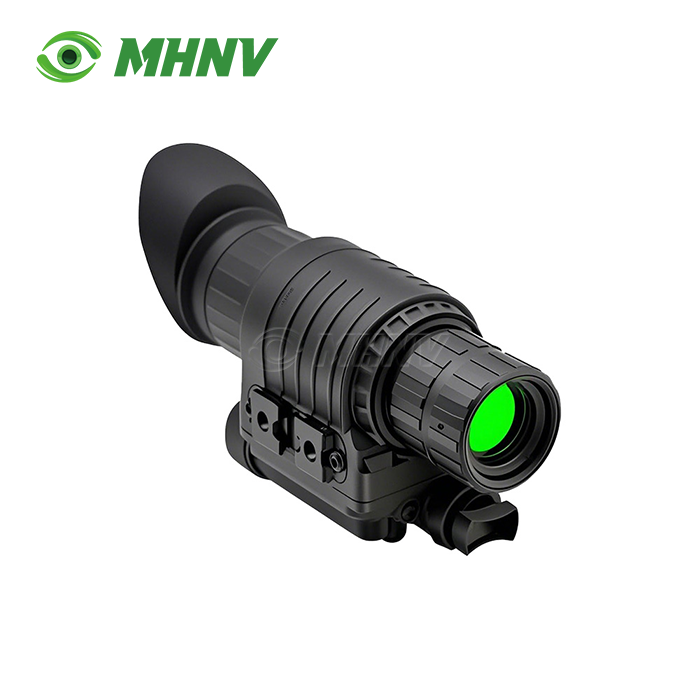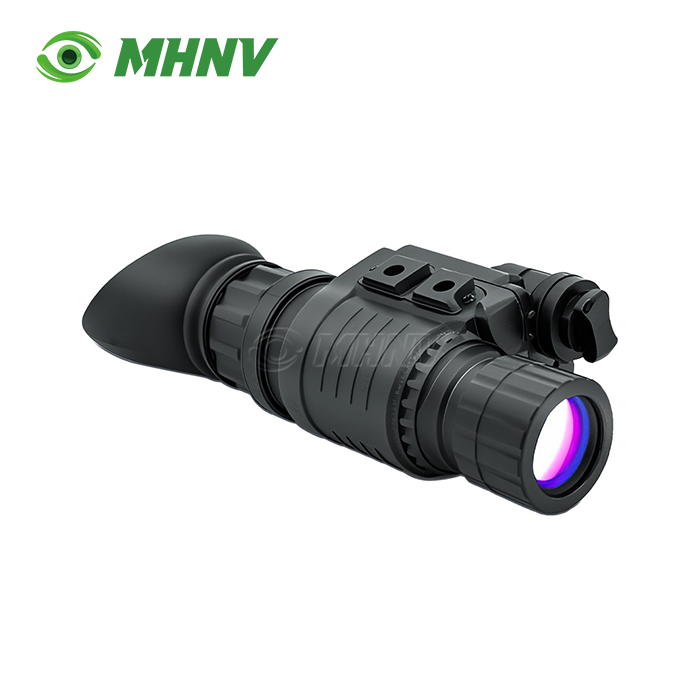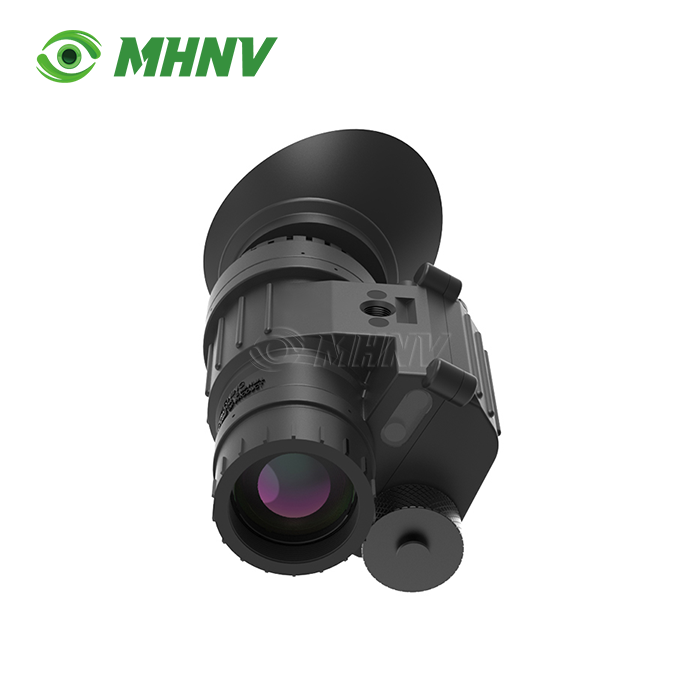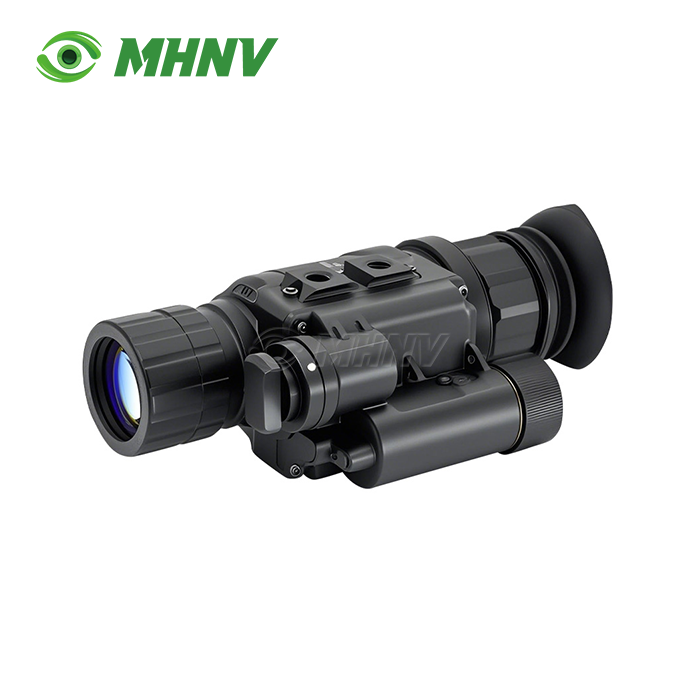
PVS-14 Gen 3 Night Vision Monocular
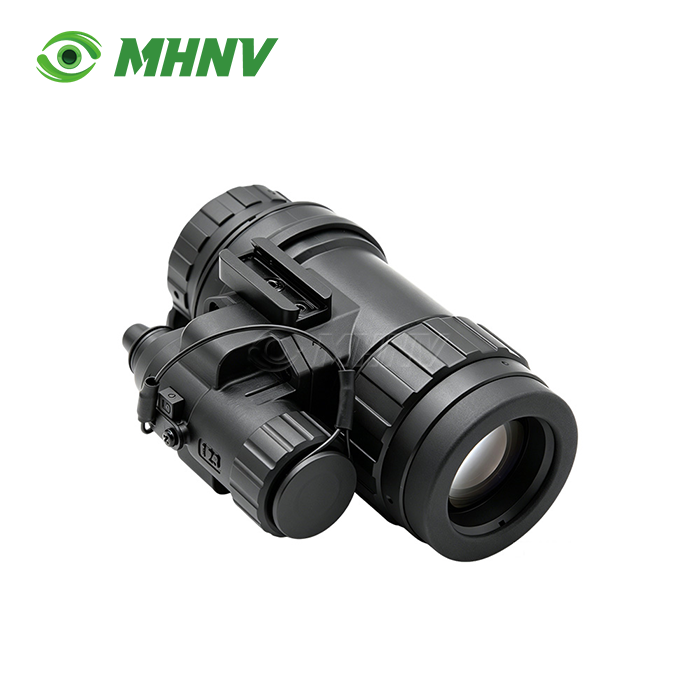
PVS-14 Gen 3 Night Vision Monocular | Professional Single-Tube Observation System with Data-Certified Performance
The PVS-14 Gen 3 Night Vision Monocular represents Xi'an MH Electronics' flagship single-tube observation platform, engineered for precision, reliability, and real-world performance. Built around hand-selected Gen 2+ or Gen 3 image intensifier tubes with Figure of Merit ratings between 1600–2200+, this device delivers Signal-to-Noise Ratios of 22–32 and luminous gain reaching 30,000 fl/fcd. Each unit ships with a serialized data sheet certifying exact SNR, FOM, and EBI values. Weighing just 310g with battery and housed in IP67-rated fiber-reinforced polymer, the system integrates auto-gating technology and manual gain control for adaptive performance across varied lighting conditions.
Enterprise-Grade Image Intensifier Technology
MHNV® produces the product using 18mm S-25 photocathode tubes tested to MIL-STD-810G environmental standards. Every tube undergoes nitrogen purging and hermetic sealing to eliminate internal fogging during rapid temperature shifts from -40°C to +60°C storage range.
Our quality control process includes Zone 1 cosmetic blemish mapping, collimation testing for optical axis alignment, and high-G shock testing to withstand recoil forces. The proprietary F1.2 multi-coated lens system achieves 15% better light transmission than standard commercial glass, maximizing tube sensitivity in starlight conditions.
You receive calibrated performance: resolution of 64–72 lp/mm, 40° or 50° field of view options, and focus range from 250mm to infinity. The device operates reliably from -20°C to +50°C, with optional -40°C to +55°C customization available for extreme environments.
Technical Specifications
| Parameter | Value |
|---|---|
| Magnification | 1× |
| Field of View | 40° / 50° (Optional) |
| Eye Relief Distance | 25 mm |
| Diopter Adjustment | -6 to +2 (Custom: -5 to +5) |
| Objective Lens System | 25 mm F#1.2 |
| Eyepiece Lens System | 25 mm |
| Focus Range | 250 mm to infinity |
| Photocathode Type | 18 mm S-25 |
| Luminous Gain | 19,000–30,000 fl/fcd |
| Signal-to-Noise Ratio | ≥23 |
| Figure of Merit | 1600+ |
| Resolution | 64–72 lp/mm |
| Operating Temperature | -20°C to +50°C (Custom: -40°C to +55°C) |
| Storage Temperature | -40°C to +60°C |
| Protection Level | IP65 (IP67 Optional) |
| Dimensions | 114 × 70 × 60 mm |
| Weight | 310 g (with battery) |
| Manual Gain Control | Supported |
| Auto-Gating | Supported |

Phosphor Options and Performance Selection
The PVS-14 Gen 3 Night Vision Monocular is available in both white phosphor (P45) and green phosphor (P43) configurations. White phosphor delivers black-and-white imagery with superior contrast recognition and reduced eye fatigue during extended observation sessions. Green phosphor remains the cost-effective standard for users familiar with traditional night vision displays.
Your tube selection directly impacts low-light capability. Gen 3 GaAs photocathodes excel in ultra-low starlight environments with minimal ambient illumination. Gen 2+ variants perform exceptionally well in urban settings where streetlights and building lights provide supplementary photon sources.
Each tube is hand-selected by MHNV® engineers who calibrate housing electronics to maximize inherent gain and sensitivity. You receive exactly the performance level documented in your individual data sheet—no guesswork, no variance.
Adaptive Lighting Control Systems
Manual gain control allows you to adjust image brightness according to ambient conditions, preventing electronic noise ("snow") in brighter areas while preserving natural night adaptation. The integrated auto-gating system rapidly modulates power supply to protect the tube from sudden exposure to high-intensity light sources, maintaining resolution and extending operational lifespan.
An optional infrared illuminator provides an invisible light source for complete darkness scenarios—caves, windowless structures, or heavily wooded areas with zero ambient light. This combination of manual and automatic controls ensures optimal image quality across the full spectrum of operational environments.
Armament-Mounting and Durability Standards
The device withstands 5.56mm recoil forces when armament-mounted, though shock-mitigating mounts are recommended for larger calibers. Glass-reinforced polycarbonate construction meets MIL-STD-810G standards for shock resistance, vibration tolerance, and humidity exposure.
IP67 waterproofing (IP68 optional) allows immersion testing to 20 meters for 30 minutes without internal moisture penetration. Nitrogen purging creates a sealed internal environment that prevents fogging during rapid environmental transitions—critical for users moving between climate-controlled vehicles and outdoor observation posts.
Full-Spectrum OEM and ODM Customization
MHNV® operates a 6,500㎡ production facility with complete in-house R&D capabilities covering optical design, FPGA processing, firmware development, and mechanical engineering. You can customize tube selection (Pigtail/3-Pin conversion), housing colors, private labeling, and packaging for global procurement projects.
Our engineering team supports specialized modifications including diopter range expansion, field-of-view optimization, and protection level upgrades. Minimum order quantities start at 1 piece for finished devices, with volume discounts available for institutional contracts.
Lead times include 3–7 working days for stock units and 15–30 days for bulk orders. We provide complete export compliance support—End-User Certificates, CE/RoHS documentation, and Certificate of Origin—ensuring seamless international logistics through DHL, FedEx, and UPS partnerships.

Quality Assurance and Verification Process
Every product undergoes multi-stage quality verification before shipment. Critical inspection items include Equivalent Background Illumination (EBI) measurement, halo value assessment, and blemish mapping across Zones 1, 2, and 3 per MIL-SPEC tolerances.
Zone 1—the central viewing area—must be virtually clear of black spots to ensure unobstructed observation during critical operations. Hoffman Engineering test sets validate that actual tube performance matches provided specifications, with results documented in your serialized data sheet.
You receive ISO 9001:2015 certified manufacturing quality, backed by CE, RoHS, and FCC compliance. Each unit includes a 1-year manufacturer warranty and access to 24-hour technical support for installation guidance and performance optimization.

FAQ
Q: What is the main performance difference between Gen 2+ and Gen 3 image intensifier tubes used in the PVS-14 system, and how should potential purchasers decide which generation is optimal for their operational lighting environment?
A: Gen 3 image intensifiers use Gallium Arsenide (GaAs) photocathodes which have much higher quantum efficiency at ultra-low photon levels (i.e. starlight-only levels of 10⁻⁴ lux or darker) giving 30–50% more sensitivity than Gen 2+ multialkali photocathodes. Gen 2+ tubes are well suited for suburban and urban surveillance applications where the ambient light from street lights, vehicle headlights, or building lights provides a baseline photon flux of greater than 10⁻³ lux. They provide cost-effective performance at 60–70% of the cost of Gen 3 tubes while maintaining FOM values of 1600–1800. Buyers should consider their primary operating environment. If the majority of the observation is in wilderness areas with little light pollution, Gen 3 has clear advantages. If operating in populated areas with existing lighting infrastructure, Gen 2+ offers great value, without any compromise in performance.
Q: How does the auto-gating feature protect tube longevity and maintain image resolution when the PVS-14 encounters sudden high-intensity light sources during observation?
A: Auto-gating technology utilises a rapid switching power modulation system that alternates in and out of the image intensifier tube at rates exceeding 10,000 cycles per second, which reduces the average photon exposure to the photocathode at ambient light levels above safe operating levels, generally above 10-1 lux. This avoids degradation of the photocathode ion barrier film from electron bombardment during sustained high-gain operation, extending the tube's operating life by 40-60% compared to non-gated devices. This avoids microchannel plate saturation that would produce blooming artefacts and a temporary loss of resolution, thus preserving the clarity and contrast of the image. Users can switch from dark woodland to illuminated clearings or vehicle headlights while observing, without any lapse in image quality. Auto-gate is automatically engaged without operator input and provides continuous protection. Manual gain control is offered to fine-tune image brightness to operator choice.
Q: What is the maintenance needed to maintain optical performance and tube integrity over long operational lifecycles?
A: Basic maintenance includes keeping the optics clean and the batteries well maintained to prevent degradation of performance and corrosion damage. Objective and eyepiece lenses should be cleaned only with lint-free microfibre cloths made for coated optics, applying gentle circular motions to remove dust and fingerprint oils without scratching multi-layer anti-reflective coatings. Remove AA batteries during storage periods of more than 30 days to prevent alkaline electrolyte leaking that could erode spring contacts and circuit traces, requiring costly electronic repair. Store the device in a nitrogen-purged or desiccant-controlled environment whenever possible to minimise moisture ingress through thread interfaces and optical seals. Avoid extreme temperature cycling during storage. Maintain ambient conditions between 15–25°C to avoid thermal stress on optical cements and housing materials. Annual professional inspection shall include: immersion testing to confirm the integrity of the nitrogen seal, verification of the collimation accuracy to within 1 milliradian tolerance, and validation of tube performance parameters (SNR, FOM) against the original data sheet values to detect early signs of photocathode degradation or microchannel plate wear.
Q: Can the device function effectively in absolute darkness environments where no natural light sources exist, such as underground facilities or heavily overcast wilderness conditions?
A: The PVS-14 requires ambient photons to intensify the image, and cannot produce a visible image under true zero-light conditions (below 10⁻⁶ lux) without additional lighting. The integrated infrared illuminator does emit radiation at a wavelength of 850nm, which is invisible to the human eye, and reflects off of surrounding surfaces to provide sufficient photon input for tube operation at distances of up to 50 meters in enclosed spaces and 25 meters in open outdoor spaces. This IR illuminator provides an effective artificial light source that enemy personnel and wildlife cannot detect without specialised IR-sensitive equipment, allowing covert observation in caves, tunnels, interior chambers and deep forest canopy during new-moon conditions. The IR illumination may drain batteries in 6-10 hours of continuous usage depending on ambient temperature and gain settings. Users should bring along spare AA batteries for lengthy missions. For applications requiring longer-range lighting in total darkness, the PVS-14 can be combined with external high-power IR lasers or floodlights to enhance effective viewing range beyond 200 meters while remaining inconspicuous.
Q: How can purchasers authenticate tubes and check performance criteria against manufacturers' approved data sheet values?
A: Call for the serialised Tube Data Sheet that is shipped with each unit. The Tube Data Sheet provides the factory-tested Signal-to-Noise Ratio (SNR), Figure of Merit (FOM), Equivalent Background Illumination (EBI), and the location of cosmetic blemish mapping in Zones 1, 2, and 3. The tube serial number, test date and the certifying technician signature should be on the document. You can verify the date of manufacture and original parameters by cross referencing the tube serial number with our MHNV® manufacturing database records or by emailing us at sarah@mh-elec.com with the tube serial number. Salvaged or counterfeit tubes often do not have a verifiable serial number or will have datasheets with inconsistent formatting and missing certification stamps. Independent verification can be made with collimator test equipment and photometric measurement devices available at professional optical laboratories confirming measured SNR values within ±2 units of the certified specification and resolution exceeding 60 lp/mm center measurement. Visually inspect Zone 1 (center 20mm diameter) for cosmetic faults in powered operation (power off, electrical power off, etc.). Black spots greater than 0.003-inch diameter or more than three spots total within this key viewing area are defective tube selection failing MIL-SPEC procurement standards.
Contact Us for Custom Solutions
Ready to specify your requirements? Our engineering team provides technical consultation for PVS-14 Gen 3 Night Vision Monocular institutional procurement, OEM partnerships, and performance optimization projects.
Email: sarah@mh-elec.com
YOU MAY LIKE